
Blog
Office Fashion: A Guide

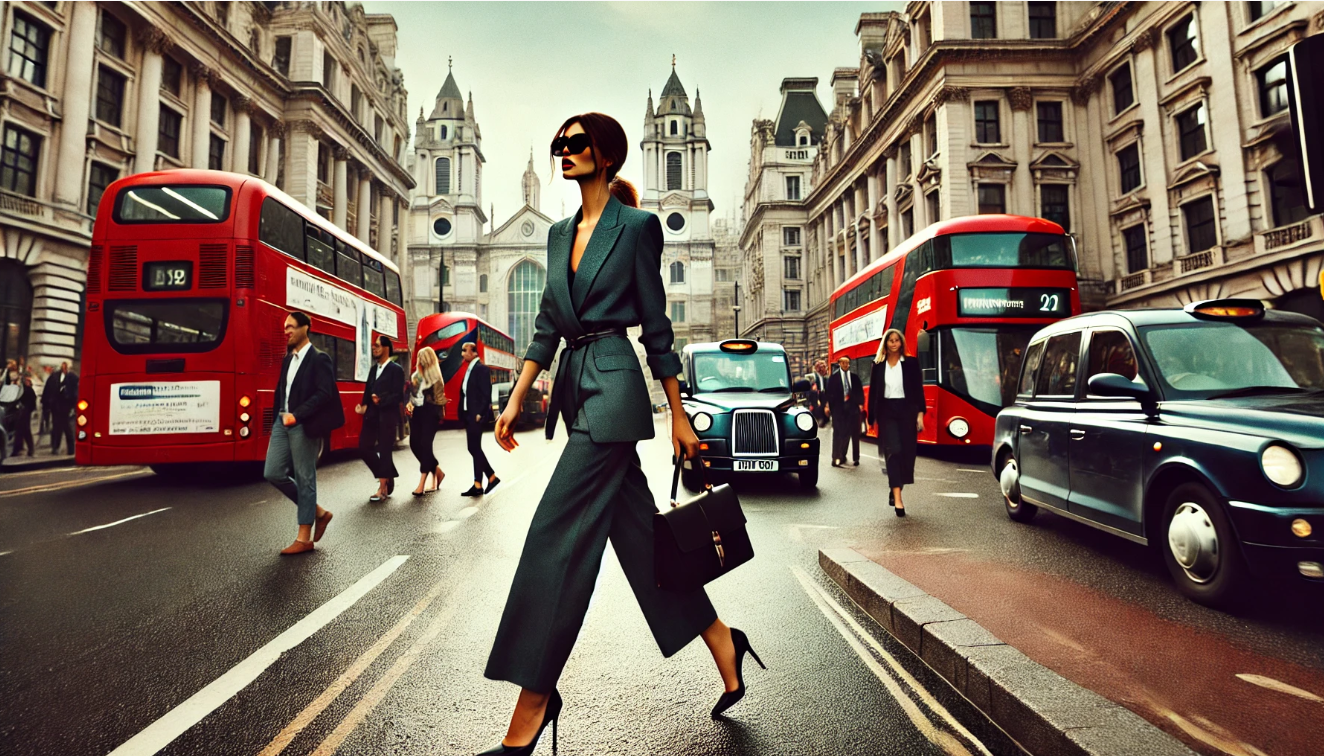
Office fashion is the way your clothes, shoes, hair and accessories work together to show that you’re professional, respectful and ready to do your job. Whether people call it business attire, workwear or just “what you wear to the office,” it sends a message long before you say a word.
The global workwear market is expanding – it is expected to reach over £20 billion by 2029. If you’ve been in the professional world for a while, you know that a good office outfit can cost a fortune – so you need to know how to plan your style.
Office fashion also looks different depending on where you work. A lawyer at a big firm might live in dark suits and polished shoes, while someone in a relaxed tech or social media role might show up in neat jeans and a sweater. Even video calls, job interviews and client meetings count as “office” moments, and your outfit in those moments still shapes how others see you.
No matter the workplace, a few basics stay the same. Good office outfits fit well, feel comfortable, and are clean and in good condition. They aren’t see-through, ripped or covered in loud logos, and they work with your grooming and body language to create a confident, put-together impression.
In this article, we will break down what office fashion really means today, explain the main dress codes you’re likely to meet, and share ten simple rules that make getting dressed for work much easier. We’ll also look ahead to the office fashion trends you can expect in 2026, and finish with practical tips to help you build a work wardrobe that feels like you—whether you’re in a corner office, a coworking space or at your laptop on the sofa.
What is Office Fashion?
Office fashion is simply what you wear to work so you look professional, respectful and ready to do your job. It includes everything from your clothes and shoes to your hair, accessories and even how well your outfit fits and is cared for. When people say “business attire” or “workwear,” they are usually talking about office fashion.
If you work from home, as we do in Manic SEO, you must have an office setup where you can do your tasks, and it is equally important to look (and feel!) professional. The luxury of not having a corporate office to go to full time is that you decide what interior and decorations make you the most creative and productive version of yourself. You can order wholesale cushions to spread across your home workplace, or place a treadmill next to your desk without worrying that you will bother your colleagues.
Office fashion can look different from one job to another. A lawyer in a big law firm might wear a dark suit and tie every day, while someone at a relaxed tech or social media company might wear neat jeans and a sweater. Even video calls, interviews and client meetings count as “office” settings where your fashion still sends a message about you.
Types of Office Fashion
Most office fashion fits into a few main dress codes, from most relaxed to most formal:
- Casual. Clean T-shirts, jeans, casual dresses and sneakers that are still neat and appropriate for work.
- Smart casual. Everyday clothes that are “dressed up,” like jeans with a blazer, or a simple dress with nicer shoes.
- Business casual. A step more formal, with items like dress pants, khakis, blouses, button-down shirts and blazers, but usually no full suit.
- Business professional. Classic office outfits like dark suits, dress shirts, ties, blouses and closed-toe shoes.
- Business formal. The most formal level, often for important events and high-level meetings, with sharp suits, pantsuits or formal dresses in dark, simple colors.
In more conservative workplaces, like banking, insurance, finance, law or politics, business professional is still the norm. Here, office fashion is strict and traditional. People often wear dark suits in black, navy or grey with lighter shirts or blouses in white, light blue or soft pastels. Shoes are closed-toe and made of leather, and accessories stay simple so they don’t distract from the work.
Even when the dress code is more relaxed, the same basic rules still apply. Office fashion is about clothes that:
- Fit well, not too tight, too short or too baggy
- Are clean, pressed and in good condition
- Are not see-through, ripped or covered in logos or rude graphics
- Are easy to move in and comfortable enough to wear all day
Other Things to Consider
Good grooming is also part of office fashion. Neat hair, trimmed nails, light or natural makeup, subtle perfume or cologne and polished shoes all help you look put-together. A well-kept outfit shows you care about your work and respect the people around you.
Office fashion changes a little with the seasons, but the main idea stays the same. In summer, you might choose lighter fabrics like cotton or linen and unlined jackets so you don’t overheat, but skirts and dresses should still be around knee length and shoulders usually stay covered in formal settings. Open-toe sandals or very short hemlines are often not OK in business professional offices. In winter, thicker fabrics like wool and a classic coat, scarf and gloves keep you warm while still looking polished.
Office fashion also offers space for different identities and styles. Many people prefer gender-neutral pieces like trousers, button-down shirts, sweaters and blazers that anyone can wear. A simple pantsuit, neat chinos with a shirt, or a blazer over a plain tee can work on many bodies and still look professional.
Why does office fashion matter so much? Because what you wear can:
- Make a strong first impression on clients, managers and coworkers
- Show that you understand the company’s culture and respect its rules
- Help you feel confident and prepared
- Create a sense of unity and professionalism in the team
10 Rules of Office Fashion
Office fashion is not rocket science. You just have to look around and dress accordingly but make it your own. Here are a few guidelines to keep in mind when getting ready for work, or a Zoom call with a client.
Know your dress code
Before you choose an outfit, make sure you understand what “looking professional” means where you work. Some offices lean towards business formal, with tailored suits, crisp shirts or blouses and classic shoes.
Others prefer business professional or business casual, where smart trousers, simple dresses, polos, or neat knitwear are enough. In creative workplaces, a smart casual look with dark jeans, a structured top and clean sneakers might be the norm.
If you’re unsure, pay attention to what your manager and senior colleagues wear, especially on days with clients or important meetings. It’s always easier to relax your style later than to fix the impression of being underdressed.
Dress for your most important event of the day
Instead of dressing for “just another day at the office,” look at your calendar and start from the highest-stakes moment. If you have a big presentation or a client meeting, lean more formal and polished, even if the rest of the day is casual.
That might mean a blazer instead of a cardigan, a collared shirt instead of a T-shirt, or leather shoes instead of trainers. If the day is mostly emails and deep work at your desk, you can soften the look a little while still staying neat and respectful. This way, you won’t find yourself wishing you’d dressed differently when that important video call pops up.
Watch the room, then experiment slowly
Office dress codes have loosened since the pandemic, but the “right” outfit still depends on the people around you. Start by noticing how coworkers dress on client days, quiet days and Fridays.
Once you understand the unwritten rules, you can experiment with one small change at a time. Swap heels for sleek sneakers, try a softer, colorful shirt instead of the usual white one, or trade a stiff suit jacket for a more relaxed blazer.
The key is that your choices look intentional, not like you misread the dress code. A deliberate twist on the usual outfit can make you seem more confident, not less professional.
Build a simple color system
An office wardrobe does not need every color of the rainbow. Most people find it easier to get dressed when they have a base of neutral shades like black, navy, grey, white and beige.
Once those are in place, you can add a few softer tones such as light blue, camel, olive or rich brown. After that, just sprinkle in a couple of accent colors or prints you really love. This simple color system lets you mix pieces without much thought and avoids the “all black, all the time” trap that can make you feel dull or stuck.
Your goal is a closet where most things work together automatically.
Prioritise fit and foundations
No matter how expensive or trendy your clothes are, they won’t look right if they don’t fit. Trousers that drag on the floor, blazers that swamp your shoulders or shirts that pull across the chest will quietly undermine your whole look. When something is almost right, a tailor can often fix the length, waist or sleeves so it feels made for you.
The layers under your clothes matter too. Choose smooth, supportive undergarments that don’t show through or shift around. If you use shaping pieces or tucking underwear, treat them as part of your base: they should help your clothes sit cleanly while keeping you comfortable and confident all day, not pinch or distract you.
Buy less, buy better
A strong office wardrobe is not about constant shopping; it’s about smart shopping. Instead of filling your closet with cheap items that fade or lose their shape, invest in fewer, better pieces. A well-cut pair of trousers in a neutral color, a blazer that fits your shoulders properly, and a couple of sturdy, polished shoes will serve you far longer than a pile of “almost right” items.
Look for fabrics that feel substantial but breathable, check the stitching and seams, and think about how many different outfits you can make with each piece. Quality clothing might cost more up front, but it usually pays you back in confidence and years of wear.
Keep it professional, not promotional
At work, you want people to focus on your ideas, not your logos. Branded hoodies, loud company swag and T-shirts with jokes, politics or edgy graphics can pull attention away from your professionalism.
The same goes for clothes that belong at the gym, beach or nightclub, like leggings, crop tops or flip-flops, unless your workplace clearly allows them. Office fashion should send a calm, competent message: you are here to do your job well, and your outfit supports that story instead of competing with it.
Respect comfort, grooming and scent
Comfort and confidence go hand in hand, but comfort doesn’t mean sloppy. Choose clothes you can sit, walk and move in throughout the day without fidgeting, and shoes that won’t ruin your mood by lunchtime. Keep your hair and nails clean and tidy, and make sure your clothes are washed, lint-free and in good repair.
When it comes to perfume or cologne, a light hand is best. You want to smell fresh, not overwhelm a shared office or trigger a coworker’s headache. Even in a home office, taking time to shower, get dressed properly and comb your hair can put you in a more focused, professional mindset.
Take care of your clothes
Once you’ve built a small collection of office pieces that work, treating them well is what keeps them looking sharp.
Hang shirts, blazers and trousers so they don’t wrinkle into a heap on a chair. Iron or steam items that need it, especially before big meetings or interviews. Rotate your outfits so the same pair of trousers isn’t doing all the work every week.
Watch for signs that something is past its best, like faded fabric, frayed hems or seams that are starting to give. Replacing a tired item at the right time keeps your overall image strong and saves you from “emergency shopping” when something finally falls apart.
Be yourself, but know your role
Office fashion is not about turning into someone else; it’s about expressing who you are in a way that fits your workplace.
Over time, you can let more of your personality show through: a watch with a story behind it, a favorite print, a signature pair of glasses or a trusted pair of sneakers with a suit. Gender-neutral basics like trousers, button-downs, knitwear and blazers can help many people feel more like themselves.
At the same time, think about the job you have and the message you want to send. As an intern, looking neat, reliable and ready to learn matters more than showing off a bold designer piece. As you move up, your style can grow with you, always balancing authenticity with respect for the culture around you.
Conclusion
Office fashion is about wearing clothes that help you do your job well and show respect for yourself and the people you work with. When you know your dress code and follow a few simple rules, it’s easy to build a work wardrobe that feels comfortable, confident and like you.
Author bio: Mariela Kashukeeva is the founder of Manic SEO – an on-page SEO and manual link building agency. With over 7-year experience in SEO and business development, she is responsible for establishing collaboration opportunities with high-authority websites and creating amazing content.

Struggling With Enterprise Search Try Yammer Connector for Search From Ba Insight

Ba Insight vs Sinequa: Key Factors for Making the Right Decision

5 Trends That Are Shaping the Wedding Decor Industry

The Story Behind Akon’s Net Worth and His Rise to Fame

Clint Eastwood Net Worth and Family Life: What You Didn’t Know

Inside Richard Hammond’s Life: How He Built His Net Worth
-
 Celebrity6 months ago
The Story Behind Akon’s Net Worth and His Rise to Fame
-
 Celebrity6 months ago
Clint Eastwood Net Worth and Family Life: What You Didn’t Know
-
 Celebrity5 months ago
Inside Richard Hammond’s Life: How He Built His Net Worth
-

 Celebrity4 months ago
George Michael’s Net Worth and the Stories You Might Not Know