
Blog
Why Manual Handling Training Is Essential for Workplace Safety in the UK

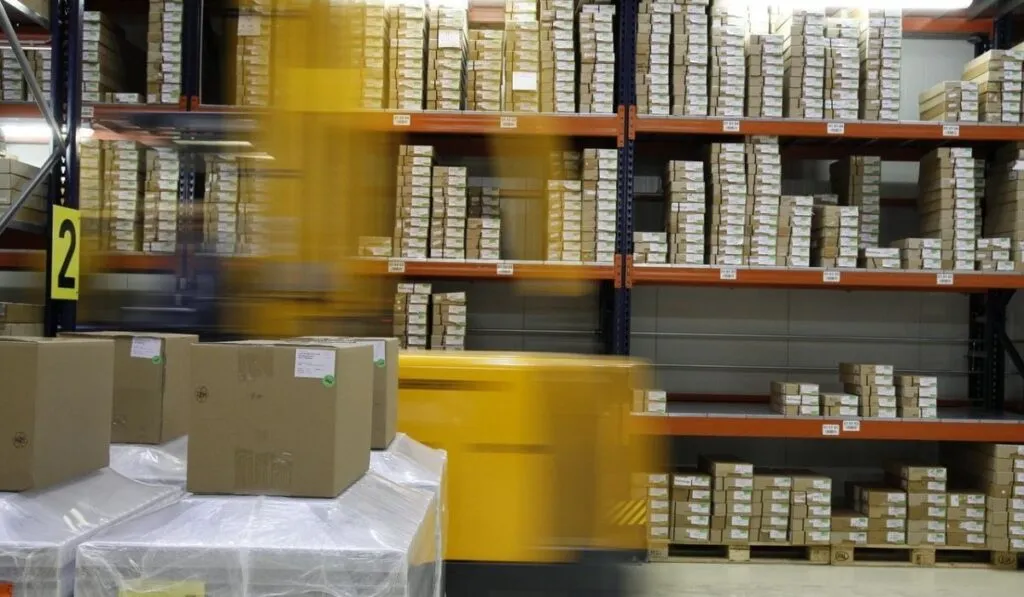
Manual handling training is an essential health and safety programme in the workplace that aims to minimise the risk of injuries caused by lifting, carrying, pushing, or pulling loads by hand. It provides employees with the knowledge and skills required to perform these duties safely, meet legal requirements, and promote a safer work environment. This guide explains what manual handling training is, its benefits, UK legal requirements, and how accredited online courses, such as the one offered by Safety Services Direct, can help your team.
What Is Manual Handling and Why Does It Matter
Manual handling is any process that involves individuals lifting, lowering, pushing, pulling, carrying, or moving anything by hand or body. Examples of everyday activities at the workplace include pushing boxes, trolley loading and unloading, and operating equipment. The main cause of musculoskeletal disorders (MSDs) and back injuries is poor manual handling, which results in excessive absence at work and annual costs of work. Good manual handling training enhances knowledge of the dangers, proper methods, and ways in which injuries can be caused.
UK Legal Requirements and Responsibility
Under UK law, in particular the Manual Handling Operations Regulations 1992, employers should provide workers with appropriate manual handling training whenever their work involves potentially dangerous physical activities. Employers’ duty is to conduct risk assessments, remove any hazardous manual handling where feasible, and minimise the remaining risk to the lowest level reasonably practicable. The training should be specific to the tasks performed by the workforce.
Benefits of Completing Manual Handling Training
The benefits of using manual handling training by employees and organisations are several:
- Better Safety and Injury Prevention: Training removes unsafe movement habits, resulting in a substantial decrease in strains, sprains, and back injuries.
- Legal Compliance: Accomplishing recognised training is in line with UK health and safety legislation and prevents organisations buying fines or legal battles.
- Increased Productivity: Employees who have safe handling knowledge are more confident and more efficient workers.
- Positive Safety Culture: Training demonstrates a care about the well-being of the staff members and creates an atmosphere in which safety becomes a priority.
- Decreased Costs: Decrease in injuries means decreased compensation claims, decreased absenteeism, and decreased disruption of operations.
These advantages underscore why manual handling training is a priority for organisations across industries, including construction, logistics, healthcare, and manufacturing.
What You Will Learn in Manual Handling Training
A thorough training course on handling manuals is usually going to include:
- Learning Manual Handling Risks: Identification of hazards, typical injuries, and mechanisms of injury.
- Legal Framework: An overview of the legal responsibilities of an employer and an employee in the UK.
- Safe Manual Handling Techniques: How to move, carry, push, and pull safely: Step-by-step instructions.
- Ergonomics and Posture Principles: How to use body mechanics properly to prevent injury.
- Risk Assessment Awareness: Recognising the way to evaluate tasks and where risk may be eliminated.
- Mechanical Aid: Information about the timing and method of using aids like trolleys or hoists in order to reduce strain.
Through these modules, the participants will not only learn the theoretical part of workplace safety but also the practical methods of ensuring safety.
Manual Handling Training Online: Convenience and Flexibility
Manual handling training courses online are also becoming very popular among organisations that want flexibility. They empower the learners to train at their own rhythm, using any device, and at convenient times. A large number of courses are provided with immediate certification after passing the exam and are digitally transferable. Manual handling training, CPD-accredited and recognised by industry bodies and SSIP schemes, is available online with Safety Services Direct and is available at a reduced price when purchased in bulk by larger teams.
Training remote or dispersed teams is also possible through online delivery, without requiring in-person sessions. There are usually interactive aspects of the courses, tests, and practical examples to solidify the learning.
Who Should Take Manual Handling Training?
Any employee whose occupation deals with the physical movement of loads needs manual handling training. Commonly beneficial roles include:
- Warehouse and logistics employees.
- Construction workers
- Moving equipment by office workers.
- Nurses who aid in the transfer of the clients.
- Retail staff handling stock
- Facilities and maintenance units.
Supervisors and managers in charge of manual handling operations and who are expected to implement safe practices in the workplace also find training useful.
How to Choose the Right Manual Handling Course
The choice of a training course on quality manual handling should be made well:
- Accreditation: The course should be accredited or certified by a good organisation like RoSPA, CPD, or IOSH.
- Relevance of the content: Find courses that are relevant to the risks and tasks that are performed in your workplace.
- Accessibility: Online courses must be mobile-friendly, provide instant access, and allow certification downloads.
- Assessment and Evaluation: The course must assess knowledge through examinations and provide retakes as needed.
- Support and Resources: Find providers that offer additional assistance, such as guides, posters, and ongoing support.
With appropriate selection, training will produce long-term returns and assist in imparting safe handling of manual handling in your organisational culture.
Manual Handling Refresher Training: Importance
Manual handling training is not something that should be done once. Refresher training helps cement the best practices, inform employees about the changes in the regulations or working processes, and also helps to show the areas of improvement. UK organisations arrange refresher training annually or when roles change significantly. Frequent refresher courses are used to update the knowledge and maintain the quality of safety.
Conclusion: Promote Safety Through Effective Training
Handling in the workplace is also a fundamental element of health and safety. It facilitates compliance with laws, promotes employee well-being, mitigates the risk of injury, and fosters a positive safety culture. Manual handling education equips workers with the necessary skills, whether delivered online by providers such as Safety Services Direct or through accredited training organisations. Not only does investing in quality manual handling training help protect your workforce, but it also helps ensure efficient operations and the business’s future success.

What Are the Advantages of Custom Kraft Packaging?

Why Manual Handling Training Is Essential for Workplace Safety in the UK

Inside the Quiet Life of Pablo Huston, John Huston’s Adopted Son

The Story Behind Akon’s Net Worth and His Rise to Fame

Peter Tuchman Net Worth Revealed: The Face Behind Wall Street’s Chaos

George Michael’s Net Worth and the Stories You Might Not Know
-
 Celebrity5 months ago
The Story Behind Akon’s Net Worth and His Rise to Fame
-
 Celebrity9 months ago
Peter Tuchman Net Worth Revealed: The Face Behind Wall Street’s Chaos
-
 Celebrity3 months ago
George Michael’s Net Worth and the Stories You Might Not Know
-

 Fashion10 months ago
Aron Accurso Net Worth: A Look Into the Musical Genius Behind Ms. Rachel