
Blog
A Beginners Guide to Understanding Maca Powder

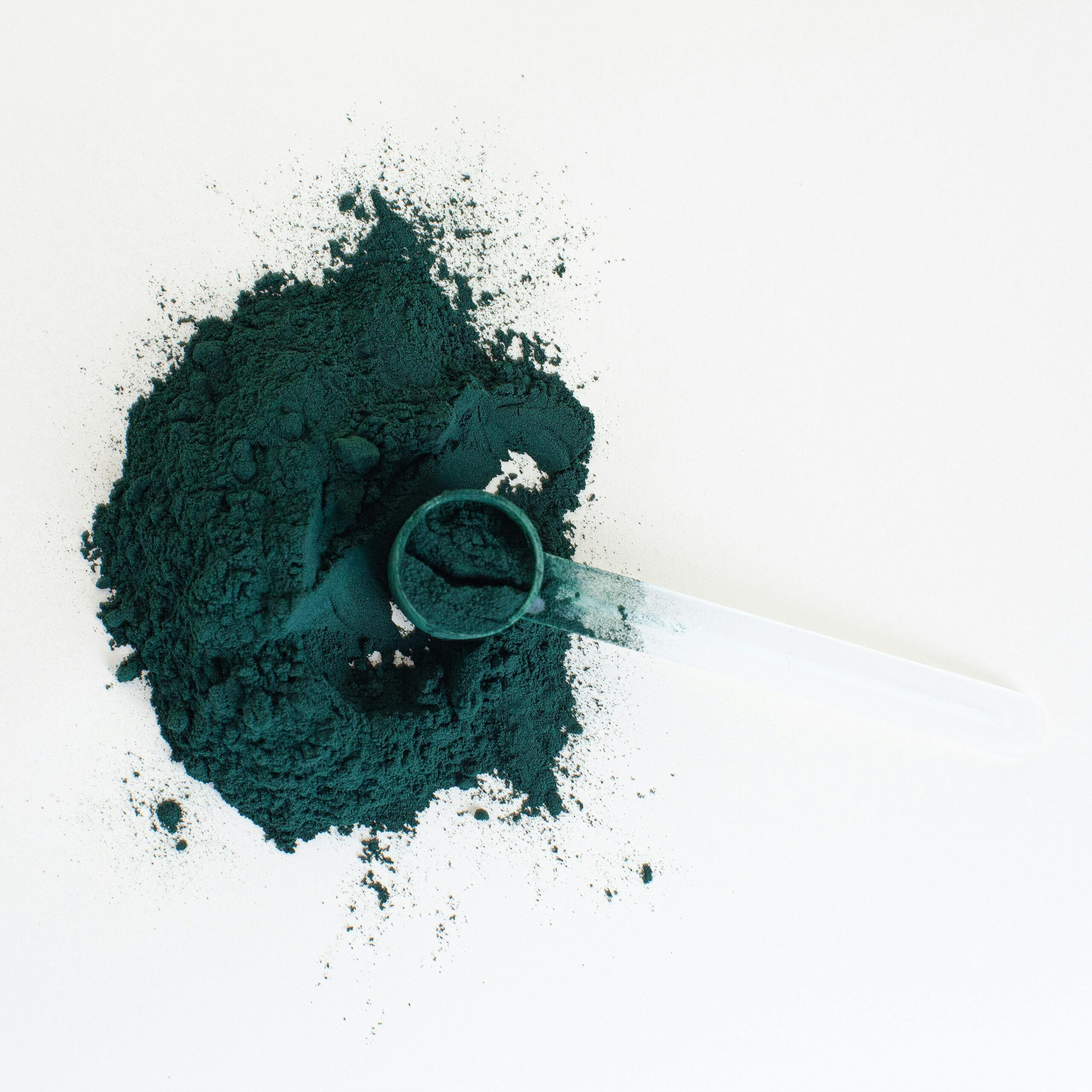
Maca powder has carved out quite a name for itself in the superfood world, and it’s easy to see why health enthusiasts can’t stop talking about it. This unassuming root vegetable from Peru’s high-altitude mountains packs a nutritional punch that’s caught the attention of wellness communities worldwide. What makes maca particularly fascinating? Indigenous Andean populations have relied on it for thousands of years, long before it became trendy in modern health circles. They understood something special about this hardy plant that thrived where most crops simply couldn’t survive.
What is Maca and Where Does It Come From
Maca, known scientifically as Lepidium meyenii, shares family ties with vegetables you probably already enjoy. Broccoli, cauliflower, and kale are all cousins in the cruciferous vegetable family. But unlike its relatives that flourish in typical garden conditions, maca thrives in one of Earth’s most unforgiving environments. Picture the Peruvian Andes, where elevations between 11, 000 and 14, 500 feet bring extreme temperature swings, intense UV exposure, and rocky soil that would defeat most plants. The part we actually consume is the root, which looks somewhat like a radish or turnip and typically grows to about two or three inches across.
The Nutritional Profile of Maca Powder
When people call maca a superfood, they’re not exaggerating, the nutritional stats really do back up the hype. This powder delivers a solid protein punch with all the essential amino acids your body needs but can’tmake it on its own, plus enough fiber to keep your digestive system happy. The vitamin content deserves attention too, particularly vitamins C and B6, which your immune system relies on while also supporting energy production and brain chemical balance. Maca doesn’t stop there, it brings important minerals to the table including iron (for oxygen transport), potassium (for heart health), copper, and manganese that support everything from strong bones to your body’s natural antioxidant defenses.
Understanding the Different Types of Maca
Not all maca powder looks the same, and those color differences actually matter more than you might think. Yellow maca is the most common type you’ll encounter, making up about 60% of each year’s harvest, and it’s generally the mildest tasting with benefits that work well for general daily use. Red maca catches attention for different reasons, it’s the second most plentiful variety and has developed a following particularly among older adults interested in supporting bone strength and prostate health. Black maca is the rare gem of the bunch, representing only about 15% of harvests, and it’s traditionally linked with boosted energy, stamina, and mental sharpness (though fair warning, it has a stronger, earthier taste than its colorful siblings).
Health Benefits and Potential Effects
The potential perks of maca powder touch multiple aspects of health, though it’s worth noting that research continues, and everyone’s experience differs. Many people notice they feel more energized and less worn down after adding maca to their routine consistently, possibly thanks to its combination of B vitamins, iron, and unique plant compounds that might give your cellular energy production a boost. Scientists have explored maca’s role as an adaptogen, essentially a substance that could help your body roll with life’s punches by supporting balanced stress hormone patterns. Mood improvements have caught researchers’ interest too, with several studies suggesting maca might help ease anxiety and depression symptoms, especially in women navigating post menopause.
How to Use Maca Powder in Your Daily Routine
Getting maca powder into your daily eating pattern is surprisingly simple, with plenty of tasty options that make sticking with it feel effortless. Smoothies are the go-to choice for many people, just toss in one to three teaspoons, and the slightly nutty, earthy flavor actually complements fruits, greens, and other superfoods like cacao or spirulina quite nicely. Your morning coffee, hot chocolate, or tea can become vehicles for maca too, since the powder mixes reasonably well into hot drinks and adds an interesting flavor layer without overwhelming your favorite beverage. Bakers love experimenting with maca in energy balls, protein bars, pancakes, muffins, and cookies, where it contributes nutrition and a subtle taste twist without stealing the show from other ingredients. Breakfast bowls get an easy upgrade when you stir maca into oatmeal or yogurt, giving your first meal of the day a nutritional head start. For those who lean toward savory flavors, maca works surprisingly well whisked into salad dressings, stirred into soups right before serving, or even blended into homemade nut butters for a next-level spread. Starting small, typically just one teaspoon daily, gives your body time to adjust while you figure out how maca affects you personally.
Considerations and Potential Side Effects
While maca powder has a solid safety profile for most folks when used reasonably, knowing the potential hiccups helps set you up for success. Some people experience minor digestive grumbling, think bloating, gas, or stomach discomfort, especially when first trying maca or taking larger amounts, which explains why easing in gradually makes good sense. Those hormonal effects that attract some users might actually be problematic if you’re dealing with hormone-sensitive conditions, and anyone with thyroid issues should tread carefully since cruciferous vegetables can sometimes interfere with thyroid function when consumed generously. Pregnant and nursing mothers should have a conversation with their healthcare provider before adding maca to the mix, since research on safety during these life stages remains sparse.
Conclusion
Maca powder sits at an intriguing crossroads where ancient wisdom meets contemporary nutritional science, offering concentrated nutrients and bioactive compounds that might support various dimensions of your health. From its birthplace in the demanding Peruvian Andes to its current celebrity status in the global wellness scene, maca has proven it’s more than just a passing trend. Knowing the differences between maca types, their potential benefits, and practical ways to use them puts you in the driver’s seat when deciding if this supplement fits your health goals and eating style. While everyone’s maca story unfolds a bit differently and scientists still have questions to answer about optimal uses and mechanisms, the centuries of traditional reliance combined with growing scientific evidence suggest this powerful root deserves serious consideration as part of a balanced, health-focused lifestyle.

Enhance Your Adventure Setup

Brandy Quaid and Her Connection to Randy and Dennis Quaid

How Advanced Lasers Transform Hair Removal

The Story Behind Akon’s Net Worth and His Rise to Fame

Peter Tuchman Net Worth Revealed: The Face Behind Wall Street’s Chaos

George Michael’s Net Worth and the Stories You Might Not Know
-
 Celebrity5 months ago
The Story Behind Akon’s Net Worth and His Rise to Fame
-
 Celebrity9 months ago
Peter Tuchman Net Worth Revealed: The Face Behind Wall Street’s Chaos
-
 Celebrity4 months ago
George Michael’s Net Worth and the Stories You Might Not Know
-

 Fashion10 months ago
Aron Accurso Net Worth: A Look Into the Musical Genius Behind Ms. Rachel