
Blog
How Community Shapes Our Health Habits

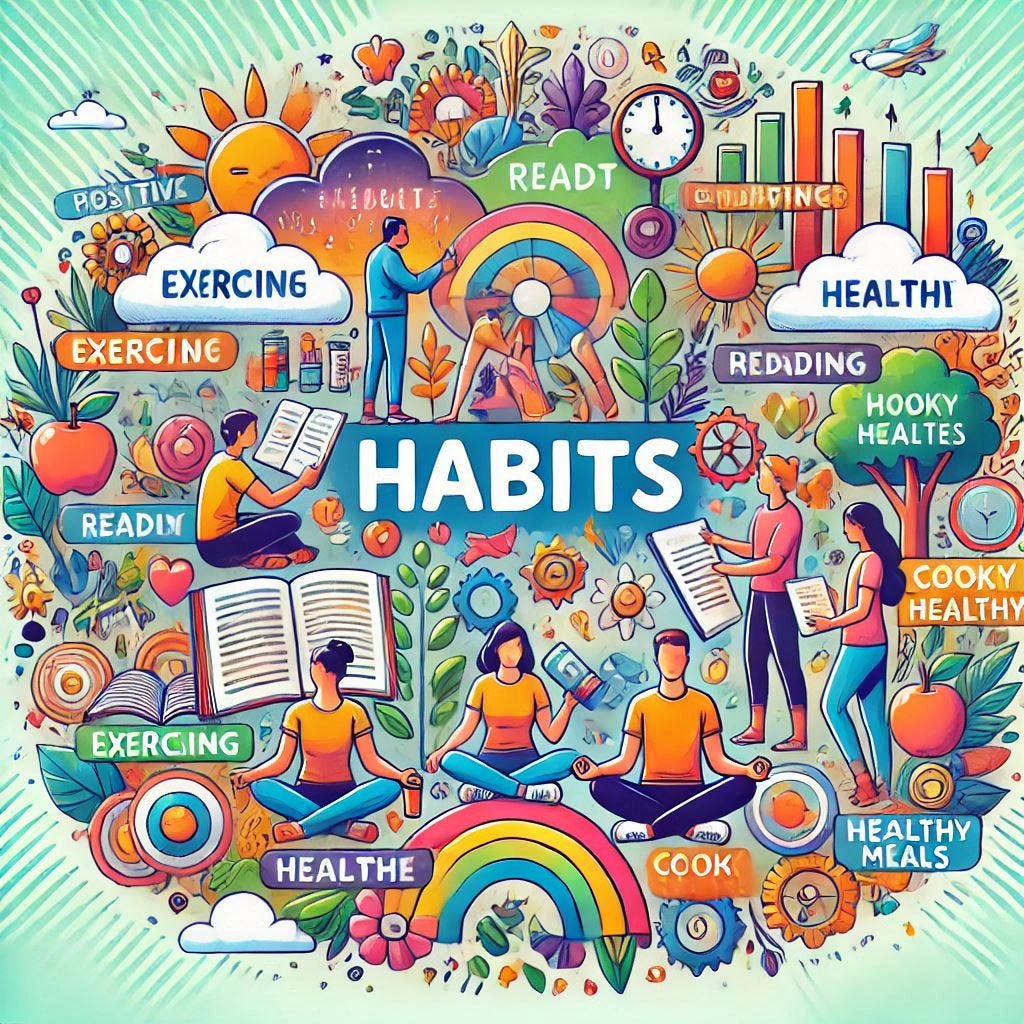
Health is often viewed as a personal journey, something shaped by individual choices, discipline, and motivation. Yet, the communities we belong to play an equally powerful role in influencing how we eat, move, rest, and care for ourselves. From family routines to workplace culture to neighborhood resources, our environment subtly guides our daily decisions. Understanding how community shapes our health habits can help us build stronger support systems and create environments that encourage long-term well‑being.
The Power of Social Influence on Daily Choices
Human behavior is deeply social. We tend to mirror the habits of those around us, whether consciously or not. When friends prioritize regular exercise, healthy meals, or mindfulness practices, we are more likely to adopt similar routines. Conversely, environments where unhealthy habits are normalized can make positive change more difficult. This social influence extends to everything from meal choices to sleep patterns. Even small interactions can reinforce healthier behaviors and make them feel more attainable.
Shared Resources and Access to Healthy Options
Communities also shape health habits through the resources they provide. Access to parks, walking trails, fitness centers, and fresh food markets can significantly impact how easy or difficult it is to maintain healthy routines. Neighborhoods with safe outdoor spaces encourage physical activity, while areas with limited grocery options may make nutritious eating more challenging. Community centers, local classes, and wellness programs can further support healthy habits by offering education and opportunities for engagement. When these resources are readily available, individuals are more likely to build consistent, sustainable routines.
Emotional Support and Accountability
Supportive relationships are essential for maintaining long-term health habits. Family members, friends, and community groups can provide encouragement, accountability, and emotional connection, which are key ingredients for lasting change. Whether it’s joining a walking group, participating in a wellness challenge, or simply having someone to share goals with, community support helps individuals stay motivated. This sense of belonging can also reduce stress, which plays a major role in overall health. When people feel supported, they are more likely to make positive choices and stick with them over time.
Cultural Norms and Shared Values
Cultural traditions and shared values within a community strongly influence health behaviors. Food customs, celebrations, and social expectations all shape how people eat, move, and care for themselves. In some communities, home-cooked meals and active lifestyles are deeply ingrained, while others may prioritize convenience or fast-paced routines. Understanding these cultural influences can help individuals make mindful choices that honor their traditions while supporting their health. It can also guide community leaders in creating programs that resonate with local values and encourage healthier habits in culturally meaningful ways.
The Role of Community in Health Education
Education is a powerful tool for shaping health habits, and communities play a central role in providing it. Workshops, local events, school programs, and workplace wellness initiatives all contribute to greater awareness and understanding of healthy living. When communities promote reliable information about nutrition, exercise, or the best multivitamins, they empower individuals to make informed decisions. This shared knowledge helps create a culture where health is valued and supported, making it easier for people to adopt and maintain beneficial habits.
Conclusion
Our health habits are shaped not only by personal choices but also by the communities we belong to. Social influence, shared resources, emotional support, cultural norms, and education all play meaningful roles in guiding our daily behaviors. By recognizing the impact of community and intentionally surrounding ourselves with supportive environments, we can build healthier routines and foster long-term well‑being. When communities work together to promote positive habits, everyone benefits—creating a stronger, healthier foundation for all.

Enhance Your Adventure Setup

Brandy Quaid and Her Connection to Randy and Dennis Quaid

How Advanced Lasers Transform Hair Removal

The Story Behind Akon’s Net Worth and His Rise to Fame

Peter Tuchman Net Worth Revealed: The Face Behind Wall Street’s Chaos

George Michael’s Net Worth and the Stories You Might Not Know
-
 Celebrity5 months ago
The Story Behind Akon’s Net Worth and His Rise to Fame
-
 Celebrity9 months ago
Peter Tuchman Net Worth Revealed: The Face Behind Wall Street’s Chaos
-
 Celebrity4 months ago
George Michael’s Net Worth and the Stories You Might Not Know
-

 Fashion10 months ago
Aron Accurso Net Worth: A Look Into the Musical Genius Behind Ms. Rachel