
Celebrity
Artificial Flowers vs Real Flowers: Making the Right Choice 03/15

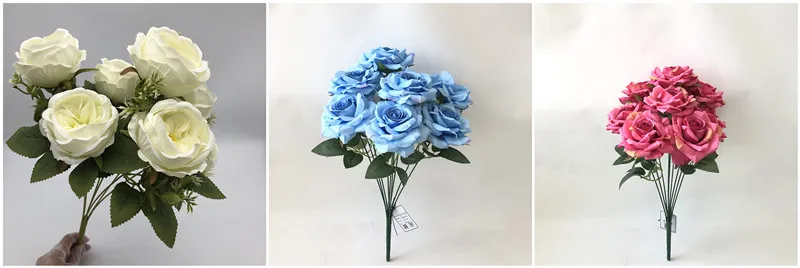
When it comes to decorating with flowers, the debate between choosing artificial or real blooms is a constant one. Each option carries its own set of advantages and considerations that can significantly influence the ambiance and functionality of any space. From romantic weddings to cozy home interiors, the type of flora chosen can make a substantial difference.
Understanding the nuances between faux and fresh florals is crucial for making an informed decision that aligns with individual tastes, practical needs, and environmental concerns. In this article, we delve into the details to help you determine which choice best suits your requirements.
Comparing Artificial and Real Flowers: Aesthetic and Practical Considerations
When evaluating artificial versus real flowers, the aesthetic appeal and practicality play pivotal roles. Real flowers offer unparalleled beauty and natural fragrance that can elevate any setting. Their vibrant colors and textures create an inviting and soothing atmosphere that is hard to replicate.
However, artificial blooms have improved significantly in quality, often looking nearly identical to their living counterparts. Innovations in materials and design have resulted in faux flowers that can deceive even the discerning eye. They provide a consistent appearance unaffected by seasons or availability and require no sunlight, water, or ideal temperatures to maintain their beauty.
Decision-making should consider the event’s nature and location. For outdoor events in unpredictable weather, artificial flowers might be more practical, while real flowers could be preferable for an intimate dinner requiring authentic floral scents. The use of artificial flowers can also enhance decor while being mindful of these practical aspects.
Longevity and Maintenance: Evaluating Durability and Care Requirements
The longevity of your floral choice is another vital aspect to consider. Real flowers, despite their immediate appeal, have a finite lifespan and require continuous care to remain fresh throughout an event or as a decoration. This includes regular watering, trimming, and proper placement away from direct sunlight or heat sources.
Artificial flowers, on the other hand, offer durability and ease of care as they remain pristine indefinitely with minimal upkeep. They can withstand transit and storage without wilting or discoloration, making them a go-to for repeated use in varying venues and climates.
For long-term use or recurrent events, investing in quality artificial flowers may be more economical and convenient. However, for a single, special occasion where the freshness of blooms is paramount, the short-term investment in real flowers could provide the sensory experience you’re seeking.
Environmental Impact and Sustainability: Choosing Eco-Friendly Decor Options
The environmental impact of your floral choice is increasingly important. Real flowers are biodegradable and can be composted, minimizing waste. However, their cultivation often involves the use of pesticides and large amounts of water, and they may be shipped from far-off locations, increasing their carbon footprint.
Contrastingly, artificial flowers are not easily disposed of or recycled, adding to landfill waste. But they can be considered more eco-friendly if used repeatedly over many years. The manufacturing process and materials used to produce faux flowers, from plastic to silk, also have a significant environmental impact.
For the environmentally conscious consumer, researching the sources and sustainability practices of suppliers for both real and artificial flowers can guide a more eco-friendly decision. Choosing locally-grown flowers or high-quality artificial flora designed to last could reduce your overall environmental footprint.
Cost Analysis and Event Planning: Assessing Budget and Occasion Appropriateness
The budget is a pivotal factor when choosing between artificial and real flowers. Initial costs for quality artificial flowers can be high, but their longevity means they may offer better value over time. Real flowers, while generally less expensive upfront, may require a larger quantity to create an impactful display and entail additional costs for preservation and maintenance.
Moreover, the suitability of the floral type may also depend on the occasion. A wedding budget might have a specific allocation for florals that leans towards real flowers for their traditional appeal and authenticity. In contrast, corporate events or staging homes for sale might opt for artificial alternatives due to their durability and one-time procurement advantages.
Considering the event’s scale, formalities, and frequency can aid in determining if the upfront investment in artificial flowers is justifiable, or if the ephemeral beauty of real flowers aligns better with your personal or brand image for a specific occasion.
Ultimately, the decision between artificial and real flowers comes down to a balance of aesthetic preferences, practicality, environmental considerations, and budget constraints. By weighing each factor carefully and considering the specific context of use, you can select the floral option that best enhances your space, event, or design scheme, creating the desired ambiance and making a responsible choice that aligns with your values.

Why Businesses Struggle Online and How to Fix It

How Jessica Monty Inspires Through Food, Yoga, and Mindfulness

Artificial Flowers vs Real Flowers: Making the Right Choice 03/15

The Story Behind Akon’s Net Worth and His Rise to Fame

Clint Eastwood Net Worth and Family Life: What You Didn’t Know

Peter Tuchman Net Worth Revealed: The Face Behind Wall Street’s Chaos
-
 Celebrity6 months ago
The Story Behind Akon’s Net Worth and His Rise to Fame
-
 Celebrity5 months ago
Clint Eastwood Net Worth and Family Life: What You Didn’t Know
-
 Celebrity10 months ago
Peter Tuchman Net Worth Revealed: The Face Behind Wall Street’s Chaos
-

 Celebrity4 months ago
George Michael’s Net Worth and the Stories You Might Not Know