
Business
Elevate Your Brand with Branded Promotional Items Smart, Effective & Long‑Lasting

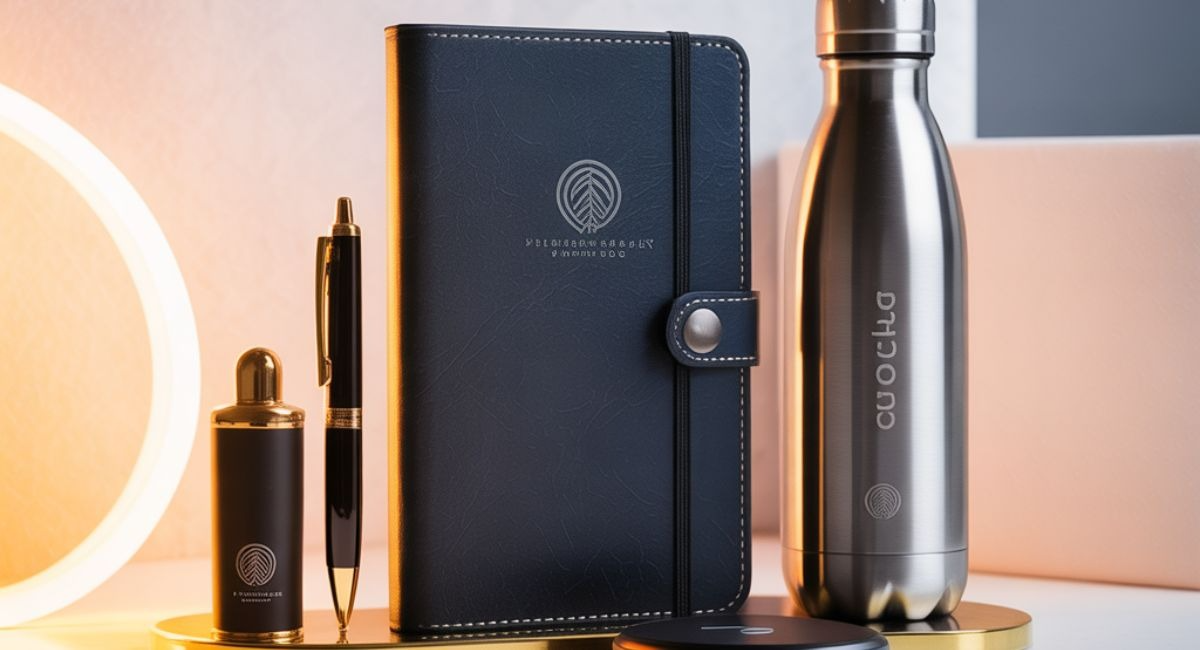
In the current competitive business world, a good brand presence is essential for creation and continuation. Another promotional strategy, which is very effective but mostly overlooked, is the application of branded promotional products, that is, daily products that are uniquely tailored to your logo, slogan, or brand name and handed over to clients, customers, or employees. These products will serve as a reminder of your brand even after they are handed out.
This paper will discuss why promotional merchandise continues to be an effective marketing instrument, the most effective types of promo items, and how to use them effectively, and some tips to take so that you can use a successful branded-merchandise initiative to promote your venture.
What are Branded Promotional Items?
Promotional merchandise, also known as Branded Promotional Items, is merchandise that has the logo, slogan, or brand of a company inscribed on it. They are given away (or at a very low price) to the customers, prospects, employees, or partners.
Why Use Promotional Merchandise? Benefits for Your Business
Internet-based advertising is cost-effective and long-lasting
As opposed to a single banner advertisement or digital campaign, a promotional object remains with the user – on a desk, in a bag, or around the house – possibly months or years. The durability of life is that your brand will keep gaining visibility over time at a comparatively low cost.
Increase Brand Recognition and Recall
Since these are used (or carried by people) regularly, pens, mugs, tote bags, etc., each time people look at them or use them, brand memory is strengthened. A lot of companies realise that the use of promotional items aids in entrenching their brand into the minds of customers and leads.
Stand Out from Competitors
Details are essential in saturated marketplaces. Advertising products contribute to the recognition of your company. A practical branded gift will have more impact than conventional marketing resources.
Versatility – Appropriate for a Great number of uses
There are various situations where promotional materials may be used: trade shows, corporate gifts, staff gifts, clients onboarding, events, which is why promotional materials are a versatile tool in your marketing instrument.
The most successful kinds of promotional items
Not every such promotional merchandise is the same. Particular objects are more successful by default – because they are helpful, visible, and have a higher degree of frequency of use. The following are the best kinds that are suggested to be applied in branding and marketing campaigns.
Promotional Bags / Tote Bags
Bags – tote bags are one of the best promotional products for being visible. As your customer walks with your bag to the marketplace or on other occasions, your logo is visible to a large number of people. This makes every bag a walking advert.
Pens and Writing Instruments
The promotional pens have been an age-old, cheap, budget-friendly favourite. Everybody needs a pen. Therefore, they become popular, and every pen is a brand exposure in everyday life – offices, meetings, and homes.
Water Bottles and Reusable Bottles
Bottled water, particularly metal or sports bottles, is convenient and available in everyday usage, such as the gym, office, travelling, and tends to travel far and wide, with the brand being seen by a wider number of people than just in one household.
Notebooks, Notepads, and Stationery
Branded notebooks and notepads will act as a two-fold purpose, as a useful everyday stationery and promotional item. Whenever one writes down a note or holds the notepad, the brand is eminent.
How to Choose the Right Promotional Items for Your Brand
Choosing promotional materials does not come easy. Some of the things to put into consideration before making your merchandise strategy are as follows:
- Utility to the Recipient: Practical items that have high chances to be used day in and day out are helpful, such as pens, mugs, bottles, and will attract more impressions in the long term.
- Brand Relevance: Select products that match your brand and demographics. As an example, the eco-friendly brands may use reusable bottles, recycled notebooks, sustainable bags, and others.
- Visibility Potential: Publicly visible items, such as bags, clothing, etc., make any outing or meeting an advertising possibility.
- Quality vs. Quantity: A quality item can be more expensive per unit, but when used as part of your Branded Promotional Items strategy, it enhances perceptions of your brand and offers a longer lifespan, which increases its overall lifetime value.
- Event / Context Suitability: In the case of trade shows or events, small or lightweight products (pens, keyrings, badges) might be appropriate. More high-quality products (mugs, clothing, bottles) might be more suitable in the case of client gifts or employees joining.
Common Mistakes to Avoid
Although promotional merchandise has excellent power, it has pitfalls. Avoid these mistakes:
- The selection of cheap and poor-quality items can make an unfavourable impression or be disposed of in the near future.
- Excessive diversity of products – having too many different products from the same brand will weaken your brand message. It is more effective to choose several fresh items and use them in other campaigns.
- Obliterating relevance – the more useless gifts are given to the recipients, the less they are likely to be utilised or noticed.
- Failure to place the branding – the logo or brand information should be picked up, but in a manner that does not make the piece of property look offensive and useless.
How to Get Started: A Simple Checklist
- Identify what your brand is saying and who the recipients (clients, staff, event attendees) are.
- Selection of 3-5 basic promotional materials that match your brand and audience (e.g., mugs, tote bags, pens, bottles).
- Have your logo/branding in place, do it professionally, clean, visible, and clear.
- Take samples of orders when possible – test quality, then make a bulk order.
- Plan distribution plan: How and whom will you supply with the items (events, new clients, staff, campaigns)?
- Result in tracking – observe brand recognition, customer response, usage, and performance of promotional products, leading to customer loyalty or sales.
Conclusion
Promotions that are branded are one of the most affordable, adaptable, and persistent marketing materials of organisations. Through consideration of viable, quality merchandise and selling them through strategic methods, you can maintain a substantial growth in brand awareness, customer retention, and company identity.
You are already in business or starting up, but considering the returns achieved by incorporating branded promotional material into your marketing mix can be phenomenal, and in many cases, more successful than conventional advertising in terms of continued use and brand recognition.

Katie Holmes and Tom Cruise: The Story Behind Their Bond

Clint Eastwood and Justin Bieber: The Story Behind Fame

Rodolphe Saade and Greg Hayes: Two Business Titans

Clint Eastwood Net Worth and Family Life: What You Didn’t Know

Best X Video Downloader Without Watermark — How to Get Clean HD Files

Inside Richard Hammond’s Life: How He Built His Net Worth
-
 Celebrity12 months ago
Clint Eastwood Net Worth and Family Life: What You Didn’t Know
-
 Technology5 months ago
Best X Video Downloader Without Watermark — How to Get Clean HD Files
-
 Celebrity11 months ago
Inside Richard Hammond’s Life: How He Built His Net Worth
-

 Celebrity11 months ago
Mark Normand net worth revealed: his career, lifestyle, and more