
Life Style
5 Essential Aircraft Maintenance Tips Every Technician Should Know

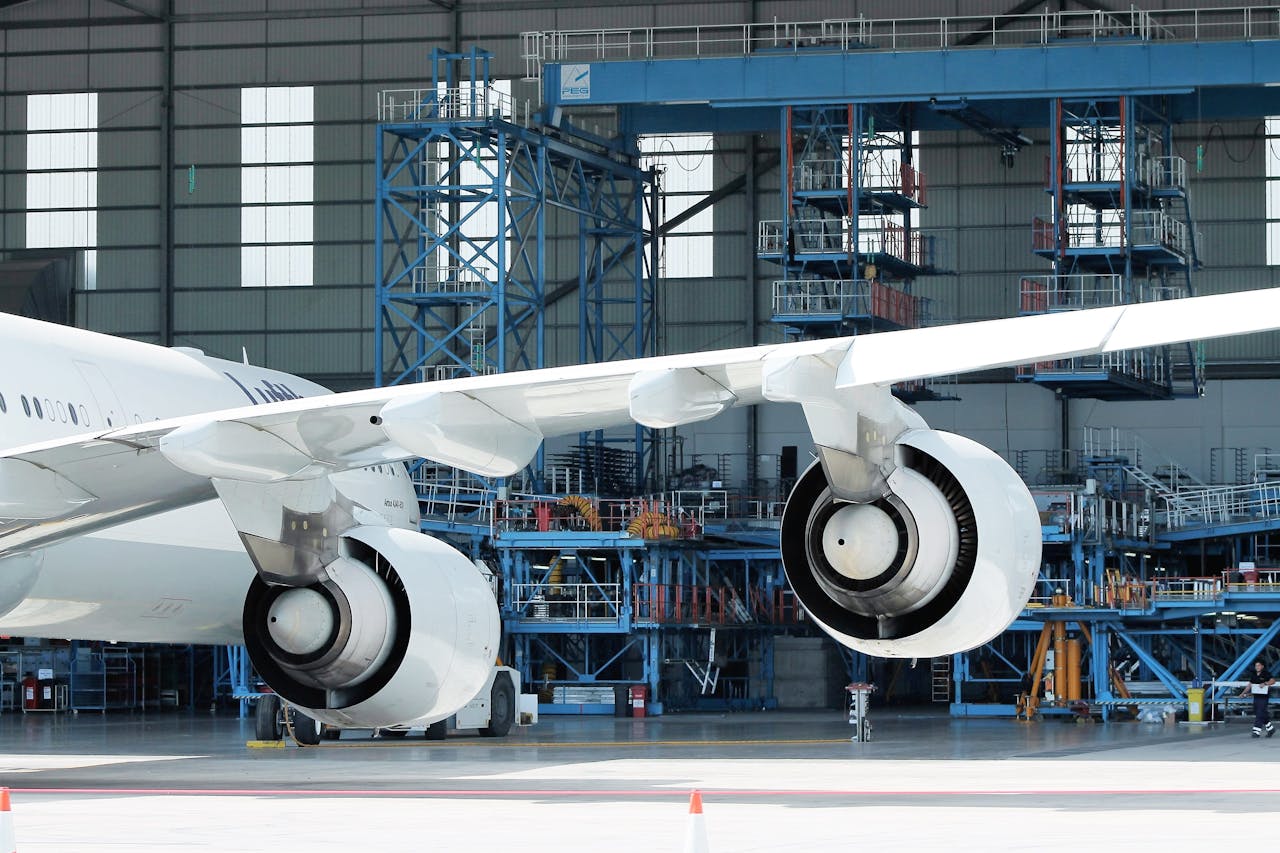
Aircraft maintenance isn’t just a job, it’s a critical responsibility that demands precision, expertise, and unwavering attention to detail. Aviation technicians are the backbone of flight safety, making sure every aircraft component functions optimally before takeoff. Whether you’re a seasoned professional or just starting out in the field, mastering fundamental maintenance practices can significantly boost your effectiveness and contribute to safer skies. The following essential tips represent core principles that every aircraft maintenance technician should weave into their daily workflow to maintain the highest standards of aircraft serviceability and airworthiness.
Implement Rigorous Documentation Practices
Here’s the truth: accurate and comprehensive documentation forms the foundation of professional aircraft maintenance. Every inspection, repair, modification, and part replacement needs to be meticulously recorded in the aircraft’s maintenance logs and records. Think of these documents as the aircraft’s legal biography, they provide crucial information for future technicians, regulatory inspectors, and potential buyers down the line. The best approach? Record information immediately after completing tasks rather than relying on memory at the end of a long shift. Include specific details like part numbers, serial numbers, torque specifications, and any deviations from standard procedures. Proper documentation doesn’t just protect you and your organization from liability issues, it ensures compliance with Federal Aviation Administration regulations. What’s more, thorough records help identify recurring problems and maintenance trends that can prevent future failures before they happen.
Prioritize Preventive Maintenance Over Reactive Repairs
Adopting a preventive maintenance mindset is what separates exceptional technicians from average ones. Rather than waiting for components to fail, proactive technicians spot potential issues before they escalate into serious problems. Make it a habit to familiarize yourself with manufacturer-recommended inspection intervals, and never postpone scheduled maintenance tasks. Pay close attention to early warning signs, unusual vibrations, abnormal sounds, fluid leaks, or changes in performance characteristics can tell you volumes.
Master Proper Tool Selection and Usage
The relationship between a technician and their tools directly impacts the quality of maintenance work performed, it’s that simple. Investing in high-quality, calibrated tools appropriate for aviation maintenance represents a genuine investment in your professional capability. Here’s something you should never do: substitute automotive or general-purpose tools when aviation-specific tools are required. This can result in improper torque values, damaged fasteners, or compromised safety, none of which you want on your record.
Develop Strong Communication Skills Within Your Team
Aircraft maintenance rarely happens in isolation, which makes effective communication an essential technical skill. Clear, concise communication with fellow technicians, inspectors, pilots, and management prevents misunderstandings that could compromise safety, and that’s not something anyone wants to risk. When you discover defects or anomalies, provide detailed descriptions that enable others to understand the issue without seeing it firsthand. Participate actively in shift handovers, making sure that ongoing maintenance tasks are clearly communicated to incoming personnel with all relevant context and concerns. Don’t hesitate to ask questions when instructions aren’t clear or when you encounter unfamiliar situations, seeking clarification demonstrates professionalism, not weakness. When performing elevated work or inspections that require lifting aircraft, professionals who need to access hard-to-reach areas often rely on used aircraft jacks for sale that provide stable, safe positioning. Foster a culture of open communication where team members feel comfortable reporting mistakes or potential safety concerns without fear of retribution. Document your communications in maintenance logs when appropriate, creating a paper trail that supports accountability and continuous improvement. Strong communication also extends to staying informed about service bulletins, airworthiness directives, and manufacturer updates that affect your maintenance responsibilities.
Commit to Continuous Learning and Skill Development
The aviation industry evolves constantly, with new technologies, materials, and regulatory requirements emerging on a regular basis. Exceptional technicians recognize that their education never truly ends and actively pursue opportunities to expand their knowledge and skills, it’s what sets them apart. Attend manufacturer training courses whenever possible to gain specialized expertise on specific aircraft types and systems. Study airworthiness directives, service bulletins, and maintenance manuals thoroughly rather than just skimming for basic information.
Conclusion
Excellence in aircraft maintenance requires more than technical knowledge, it demands a holistic approach combining meticulous documentation, preventive thinking, proper tool usage, effective communication, and continuous learning. These five essential tips provide a framework for developing into a highly skilled and respected aviation maintenance technician. By incorporating these principles into your daily practice, you’ll enhance both your professional capabilities and your contribution to aviation safety. Remember that every inspection you perform and every repair you complete directly impacts the lives of passengers and crew members who depend on your expertise and dedication to maintaining airworthy aircraft.

Putting a Smart Module Controller to work in demanding sites

Rihanna and Post Malone: Are They Connected in Music?

Post Malone and Kumar Birla: The Story Behind Them

Clint Eastwood Net Worth and Family Life: What You Didn’t Know

Best X Video Downloader Without Watermark — How to Get Clean HD Files

Inside Richard Hammond’s Life: How He Built His Net Worth
-
 Celebrity1 year ago
Clint Eastwood Net Worth and Family Life: What You Didn’t Know
-
 Technology6 months ago
Best X Video Downloader Without Watermark — How to Get Clean HD Files
-
 Celebrity12 months ago
Inside Richard Hammond’s Life: How He Built His Net Worth
-

 Celebrity1 year ago
Mark Normand net worth revealed: his career, lifestyle, and more