
Life Style
7 Key Trends Reshaping Global Maritime Trade

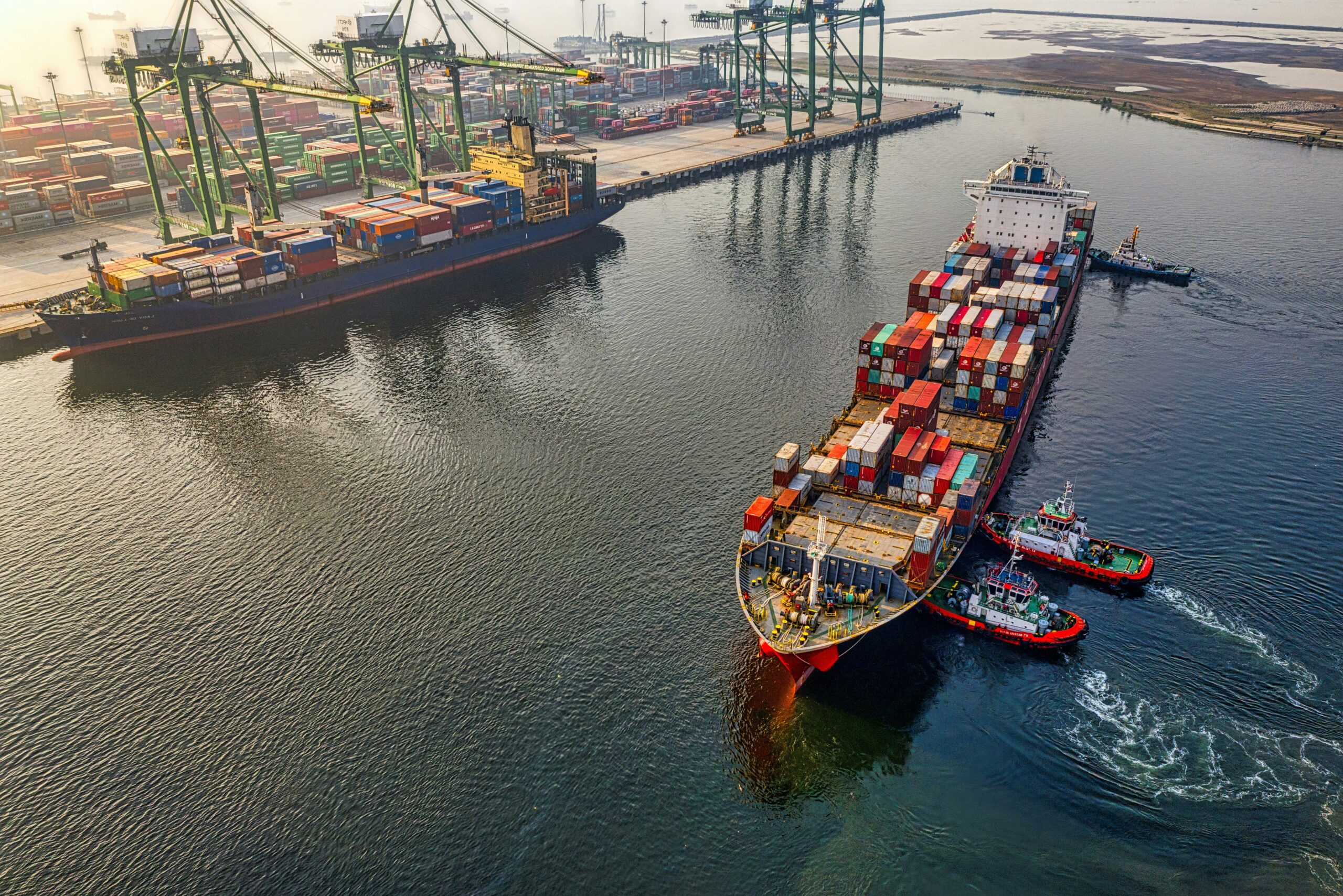
Global maritime trade has long served as the backbone of international commerce connecting continents and enabling the movement of goods at scale. Today this sector undergoes profound transformation. Technological breakthroughs environmental priorities, geopolitical shifts and changing consumer demands drive maritime trade to adapt to a new era of complexity and opportunity. Businesses, policymakers and stakeholders who rely on maritime networks to sustain global supply chains need to understand the key trends reshaping this industry. Below we explore seven pivotal developments that redefine the future of maritime trade.
Digitalization of Shipping Operations
Digital transformation is causing a revolution in maritime trade by streamlining operations and enhancing transparency. From blockchain-based documentation to automated port logistics, digital tools are reducing inefficiencies and minimizing human error. Shipping companies are adopting smart platforms that allow real-time tracking of cargo predictive maintenance of vessels and seamless communication across supply chains. This digital shift not improves operational productivity but also strengthens trust between trading partners by ensuring data accuracy and security.
Sustainability and Green Shipping Initiatives
Environmental concerns have an influence on significant changes in maritime trade. With international regulations such as the IMO’s decarbonization targets, shipping companies are investing in cleaner fuels, energy-efficient vessels, and carbon-neutral technologies. New ideas like wind-assisted propulsion and hydrogen-powered ships are gaining traction, while ports are adopting green infrastructure to support sustainable operations. These initiatives reflect a growing recognition that maritime trade must align with global climate goals balancing economic growth with environmental responsibility.
Geopolitical Realignments and Trade Routes
Geopolitical dynamics are reshaping traditional maritime routes and have an influence on global trade flows. Tensions in strategic waterways such as the South China Sea or the Strait of Hormuz, highlight the vulnerability of critical shipping lanes. At the same time new opportunities are emerging such as the Northern Sea Route, which is becoming more accessible due to Arctic ice melting. These shifts require businesses to remain agile diversifying supply chains and preparing for disruptions that may arise from political instability or regional conflicts.
Integration of Smart Ports
Ports are evolving into intelligent hubs that leverage automation of artificial intelligence, and data analytics to optimize operations. Smart ports enhance productivity by reducing congestion, improving cargo handling, and enabling predictive scheduling. By integrating advanced technologies, ports can better manage growing trade volumes while minimizing delays. The adoption of maritime business intelligence tools further empowers stakeholders to make informed decisions, anticipate demand fluctuations, and strengthen resilience against disruptions.
Rise of E-Commerce and Container Demand
The surge in global e-commerce has increased demand for containerized shipping. Consumers expect rapid delivery of goods, which places pressure on maritime logistics to adapt. Shipping companies are investing in larger vessels with advanced tracking systems, and flexible scheduling to meet these demands. The rise of e-commerce also underscores the need for last-mile connectivity requiring closer collaboration between maritime operators’ inland transport providers, and digital platforms to ensure seamless delivery.
Technological Advancements in Vessel Design
New ideas in vessel design are reshaping the effectiveness and safety of maritime trade. Modern ships are equipped with advanced navigation systems for automated controls, and eco-friendly propulsion technologies. These advancements not reduce fuel consumption but also enhance safety by minimizing human error. Autonomous vessels, though still in early stages, represent a potential future where shipping becomes more cost-effective and reliable, further transforming the industry’s operational scene.
Focus on Resilience and Risk Management
The COVID-19 pandemic and subsequent supply chain disruptions highlighted the importance of resilience in maritime trade. Companies are now prioritizing risk management strategies to safeguard against future crises. This includes diversifying suppliers, investing in flexible logistics networks, and adopting technologies that provide real-time visibility into operations. By strengthening resilience, maritime trade can better withstand shocks and ensure continuity in the face of global uncertainties.
Conclusion
Global maritime trade is entering a new era defined by digital breakthroughs, sustainability of geopolitical shifts, and evolving consumer expectations. The integration of smart technologies, the push for greener practices, and the emphasis on resilience are reshaping how goods move across oceans. Businesses and policymakers alike must stay attuned to these trends to navigate the complexities of modern trade. By embracing change and investing in forward-thinking strategies, the maritime industry can continue to serve as the cornerstone of global commerce in the decades ahead.

Putting a Smart Module Controller to work in demanding sites

Rihanna and Post Malone: Are They Connected in Music?

Post Malone and Kumar Birla: The Story Behind Them

Clint Eastwood Net Worth and Family Life: What You Didn’t Know

Best X Video Downloader Without Watermark — How to Get Clean HD Files

Inside Richard Hammond’s Life: How He Built His Net Worth
-
 Celebrity1 year ago
Clint Eastwood Net Worth and Family Life: What You Didn’t Know
-
 Technology6 months ago
Best X Video Downloader Without Watermark — How to Get Clean HD Files
-
 Celebrity12 months ago
Inside Richard Hammond’s Life: How He Built His Net Worth
-

 Celebrity1 year ago
Mark Normand net worth revealed: his career, lifestyle, and more