
Business
Easy Ways to Make Data Entry a Breeze for Your Restaurant

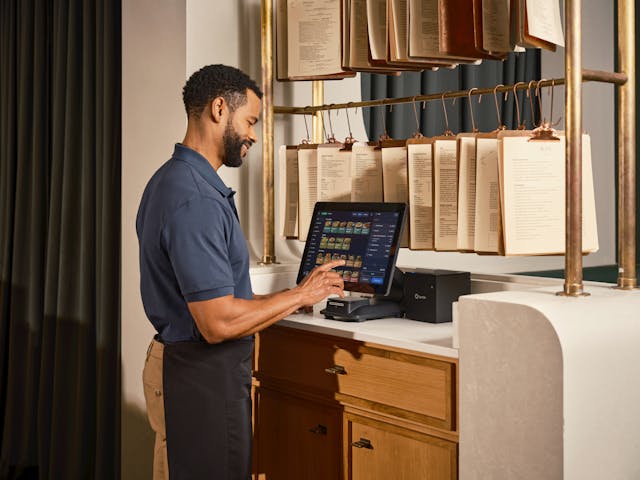
Running a restaurant means juggling countless moving parts: inventory, staffing, scheduling, customer service, and the never‑ending flow of operational data. When data entry becomes slow or inconsistent, it can ripple across your entire business, affecting everything from food costs to guest satisfaction. Streamlining the way your team captures and manages information not only saves time but also reduces errors and improves decision‑making. With the right systems and habits in place, data entry can shift from a daily frustration to a smooth, reliable part of your workflow.
Streamline Your Processes with Clear Standards
One of the simplest ways to improve data entry is to establish clear, consistent standards for your team. When everyone follows the same format and workflow, information becomes easier to track, compare, and analyze. This includes setting rules for naming conventions, measurement units, and how frequently data should be updated. Creating a short internal guide or checklist ensures that even new employees can quickly learn about the process. Standardization also reduces the risk of miscommunication, which is especially important in fast‑paced environments like restaurants.
Use Technology to Automate Repetitive Tasks
Automation is one of the most effective tools for reducing manual data entry. Modern restaurant platforms can automatically track sales, inventory levels, and labor data, eliminating the need for staff to enter numbers by hand. This not only saves time but also significantly reduces human error. Many restaurants adopt specialized bar and restaurant software to centralize their operations, allowing information to flow seamlessly between systems. When your POS, inventory tools, and scheduling platform communicate with each other, your team can focus more on service and less on spreadsheets.
Train Your Team for Accuracy and Efficiency
Even the best tools won’t help if your team isn’t trained to use them effectively. Regular training sessions, whether in person or through short digital tutorials, ensure that staff understand how and why accurate data entry matters. Emphasizing the connection between clean data and smoother operations helps employees take ownership of the process. Encourage staff to ask questions, share challenges, and suggest improvements. When your team feels confident and supported, accuracy naturally improves.
Keep Your Systems Organized and Up to Date
A cluttered system leads to cluttered data. Make it a habit to review and clean up your digital tools regularly. This includes removing outdated menu items, updating supplier information, and archiving old employee profiles. Organized systems make it easier for staff to find what they need and reduce the likelihood of entering information in the wrong place. Additionally, keeping your software updated ensures you’re benefiting from the latest features, security enhancements, and performance improvements.
Integrate Mobile Tools for On‑the‑Go Entry
Restaurants move fast, and your data tools should keep up. Mobile‑friendly platforms allow staff to enter information directly from the kitchen, stockroom, or dining area. This reduces the need to jot down notes that later need to be transcribed—one of the most common sources of errors. Whether it’s updating inventory counts, logging prep lists, or recording temperature checks, mobile access ensures data is captured accurately and in real time. It also empowers managers to review and approve entries even when they’re away from the building.
Conclusion
Making data entry easier for your restaurant doesn’t require a complete overhaul—just thoughtful improvements to your processes, tools, and training. By standardizing workflows, embracing automation, keeping systems organized, and equipping your team with the right technology, you can transform data entry from a tedious task into a dependable part of your daily operations. These small changes eventually create smoother service, better decision‑making, and a more efficient restaurant overall.
If you’d like to explore ways to refine your workflow further, you might consider diving deeper into workflow optimization or exploring restaurant technology trends.

Putting a Smart Module Controller to work in demanding sites

Rihanna and Post Malone: Are They Connected in Music?

Post Malone and Kumar Birla: The Story Behind Them

Clint Eastwood Net Worth and Family Life: What You Didn’t Know

Best X Video Downloader Without Watermark — How to Get Clean HD Files

Inside Richard Hammond’s Life: How He Built His Net Worth
-
 Celebrity1 year ago
Clint Eastwood Net Worth and Family Life: What You Didn’t Know
-
 Technology6 months ago
Best X Video Downloader Without Watermark — How to Get Clean HD Files
-
 Celebrity12 months ago
Inside Richard Hammond’s Life: How He Built His Net Worth
-

 Celebrity1 year ago
Mark Normand net worth revealed: his career, lifestyle, and more