
Technology
Putting a Smart Module Controller to work in demanding sites

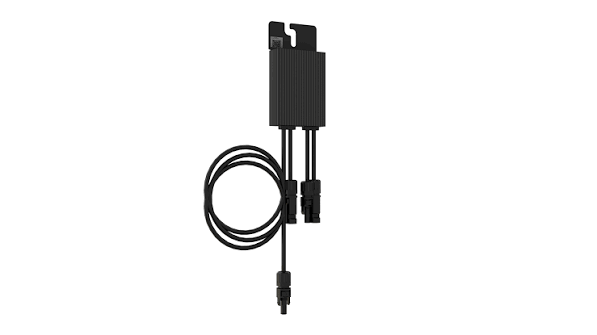
Check optimizer and inverter compatibility by model and firmware, particularly when the project combines different module ratings. This is a familiar challenge in rooftop solar projects, where decisions made early can restrict operation for years. Failures usually develop at the interface between otherwise competent teams. Reviewing the actual service environment is often more revealing than collecting another impressive efficiency figure.
Look Beyond Annual Generation
Household electricity use changes by hour and season. A solar estimate expressed only as annual kilowatt-hours cannot show how much energy will be consumed on site. Review daytime occupancy, heat pumps, electric vehicles and any planned battery. The export tariff or limit can change the value of a kilowatt-hour significantly.
Verify Approved Combinations
PV modules, optimizers, inverters, batteries and backup interfaces are not interchangeable merely because their plugs or power ratings look similar. Check published compatibility for the exact models, firmware and jurisdiction. A documented bill of materials helps the installer avoid surprises during commissioning and makes later service easier.
For a broader technical starting point, compare a Smart Module Controller with the conditions actually documented in the proposed project. Check optimizer and inverter compatibility by model and firmware, particularly when the project combines different module ratings.
Plan Circuit-Level Resilience
A battery is not automatically a whole-home backup system. The distribution board must identify protected circuits, starting currents and required transfer behavior. Owners should decide which loads matter most during an outage, including refrigeration, networking and essential lighting. The design must then be tested under those real loads.
Extra rooftop electronics bring installation and service considerations; cable routing and safe isolation remain essential.
Evaluate Installation Quality
Cable routing, weatherproofing, earthing and labeling determine whether a tidy new system remains serviceable after several winters. Commissioning should include insulation and functional checks appropriate to the local code. Ask who will maintain the installation and what documentation the owner receives. Photos and test records are more useful than marketing language.
Know the Grid Rules
Export permissions, meter requirements and inverter certifications are determined locally. An installation that operates correctly in one market may need a different configuration elsewhere. Resolve the connection application before ordering uncommon equipment. Installers should explain what happens if utility approval or export limits differ from the original proposal.
The design review for a Smart Module Controller should be supported by evidence tied to the delivered configuration. Request a shade study and commissioning screenshots rather than assuming a fixed percentage of extra yield.
Prepare for Demand Growth
Communities and industrial outposts add refrigeration, machinery or new buildings over time. Reserve practical expansion routes while setting clear limits on existing capacity. Adding a load may require protection and dispatch changes as well as another panel. A simple change-control process can prevent unplanned demand from eroding resilience.
Readers comparing specifications can review information about Smart Module Controller as context, then verify site-specific claims with drawings, tests and commercial terms.

Putting a Smart Module Controller to work in demanding sites

Rihanna and Post Malone: Are They Connected in Music?

Post Malone and Kumar Birla: The Story Behind Them

Clint Eastwood Net Worth and Family Life: What You Didn’t Know

Best X Video Downloader Without Watermark — How to Get Clean HD Files

Inside Richard Hammond’s Life: How He Built His Net Worth
-
 Celebrity1 year ago
Clint Eastwood Net Worth and Family Life: What You Didn’t Know
-
 Technology6 months ago
Best X Video Downloader Without Watermark — How to Get Clean HD Files
-
 Celebrity12 months ago
Inside Richard Hammond’s Life: How He Built His Net Worth
-

 Celebrity1 year ago
Mark Normand net worth revealed: his career, lifestyle, and more