
Health
Tips for Making Dental Visits Stress-Free for Children

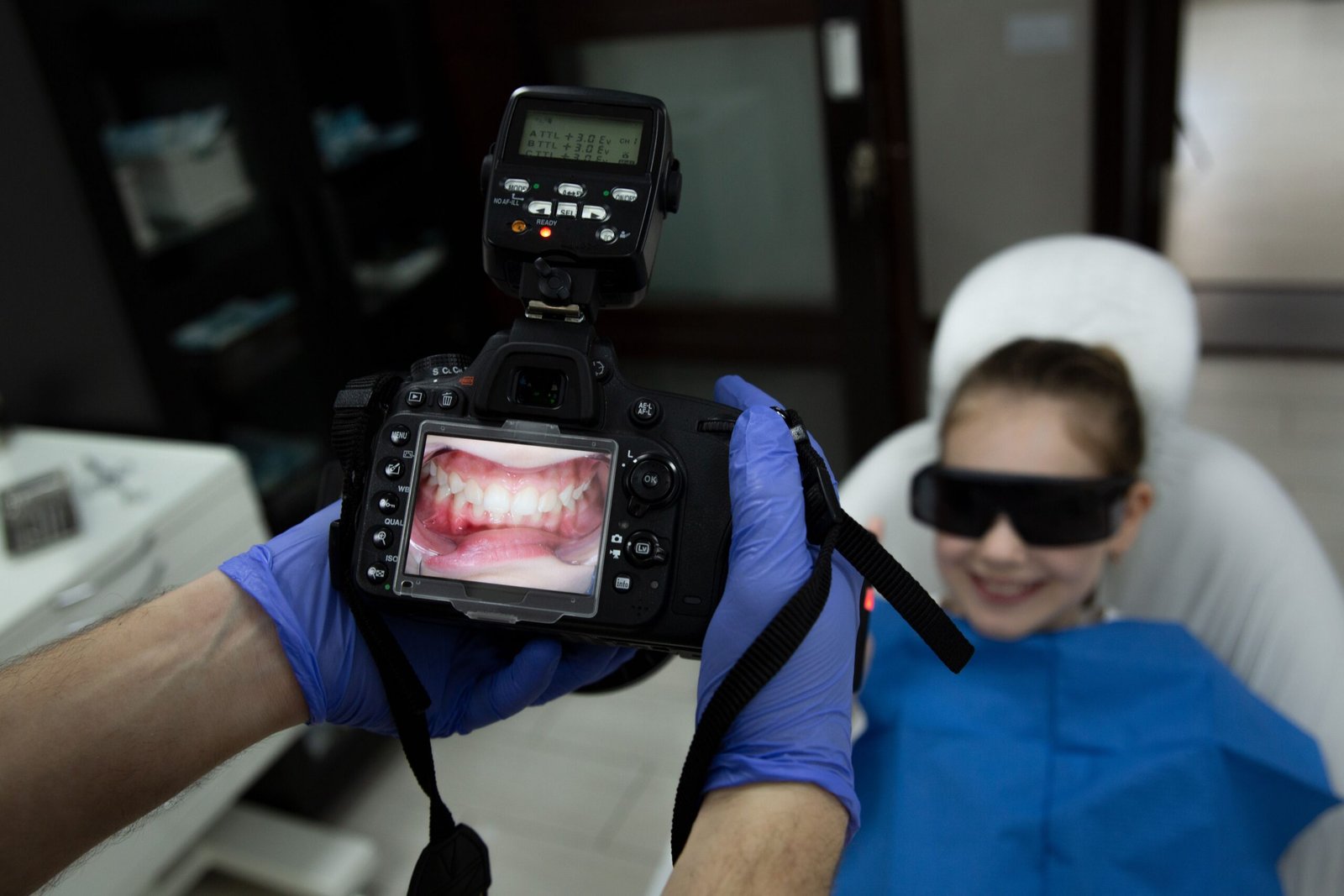
A positive dental experience during childhood can help establish healthy habits that last a lifetime. While many children feel nervous about visiting the dentist, parents can take several steps to make appointments more comfortable and enjoyable. Building confidence early can reduce anxiety, encourage regular dental care, and support long-term oral health.
With the right preparation and a supportive environment, dental visits can become a routine part of a child’s healthcare journey rather than a source of stress.
Start Dental Visits Early
Introducing children to dental care at a young age helps them become familiar with the dental office environment before major dental issues arise. Early visits allow children to meet the dental team, see the equipment, and develop a sense of comfort with regular checkups.
When children view dental appointments as a normal part of life, they are often less likely to develop fear or anxiety about future visits. Early exposure also gives parents an opportunity to learn about proper oral hygiene and preventive care.
Use Positive Language
The words parents use when discussing dental visits can have a significant impact on a child’s attitude. Instead of focusing on potential discomfort, emphasize the benefits of keeping teeth healthy and strong.
Try to explain dental appointments in a simple, positive way. Avoid sharing negative dental experiences or using words that may create unnecessary worry. Children often take cues from their parents, so maintaining a calm and encouraging attitude can help them feel more confident.
Practice at Home
Role-playing a dental visit at home can help children understand what to expect. Parents can pretend to be the dentist and count teeth using a toothbrush or small mirror. This familiarizes children with common dental procedures in a fun and relaxed setting.
Reading children’s books about dental visits or watching educational videos can also help reduce uncertainty. The more familiar the experience feels, the less intimidating it may seem.
Schedule Appointments at the Right Time
Children are usually more cooperative when they are well-rested and comfortable. Scheduling dental appointments during times when a child is typically alert and in a good mood can make a noticeable difference.
Avoid appointment times that may conflict with naps, meals, or other activities that could cause hunger, fatigue, or irritability. A positive mindset often contributes to a smoother dental experience.
Bring Comfort Items
For younger children, bringing a favorite toy, blanket, or stuffed animal can provide reassurance during the appointment. Familiar objects help children feel secure in unfamiliar settings and can reduce stress while waiting or receiving treatment.
Even small comfort items can create a sense of familiarity that makes the visit feel less overwhelming.
Choose a Child-Friendly Dental Environment
A dental office designed with children in mind can make appointments much more enjoyable. Pediatric dental teams understand how to communicate with young patients and often use age-appropriate approaches to help children feel at ease.
Practices specializing in Eastlake pediatric dentistry focus on creating welcoming experiences that encourage trust and confidence. Friendly staff, engaging environments, and gentle care techniques can help transform dental visits into positive experiences for children and parents alike.
Reward Effort, Not Outcomes
After a dental visit, acknowledge your child’s courage and cooperation. Positive reinforcement can help build confidence and encourage a healthy attitude toward future appointments.
Simple praise, extra story time, or another small reward can make children feel proud of their accomplishment. The goal is to celebrate their effort and reinforce positive feelings about visiting the dentist.
Maintain Regular Dental Checkups
Consistency is one of the best ways to reduce dental anxiety. Children who visit the dentist regularly become familiar with the process and often feel more comfortable over time.
Routine checkups also allow dentists to monitor oral health, provide preventive care, and address minor concerns before they become more serious. Familiarity and predictability can go a long way toward making dental visits stress-free.
Conclusion
Helping children feel comfortable at the dentist starts with preparation, encouragement, and positive experiences. By introducing dental care early, using reassuring language, practicing at home, and choosing a child-friendly dental office, parents can help reduce anxiety and build confidence.
When children feel supported and understand what to expect, dental visits become easier and more enjoyable, creating a strong foundation for lifelong oral health.

Michelle Obama and Beyonce: Inside Their Famous Friendship

SpiritualHubz.com USA: Exploring Its Purpose and Role

What to Understand About a 401k for Yung Adults

Clint Eastwood Net Worth and Family Life: What You Didn’t Know

Best X Video Downloader Without Watermark — How to Get Clean HD Files

Inside Richard Hammond’s Life: How He Built His Net Worth
-
 Celebrity12 months ago
Clint Eastwood Net Worth and Family Life: What You Didn’t Know
-
 Technology5 months ago
Best X Video Downloader Without Watermark — How to Get Clean HD Files
-
 Celebrity11 months ago
Inside Richard Hammond’s Life: How He Built His Net Worth
-

 Celebrity12 months ago
Mark Normand net worth revealed: his career, lifestyle, and more