
Technology
Preparing Future Developers With Real-World Coding Experiences

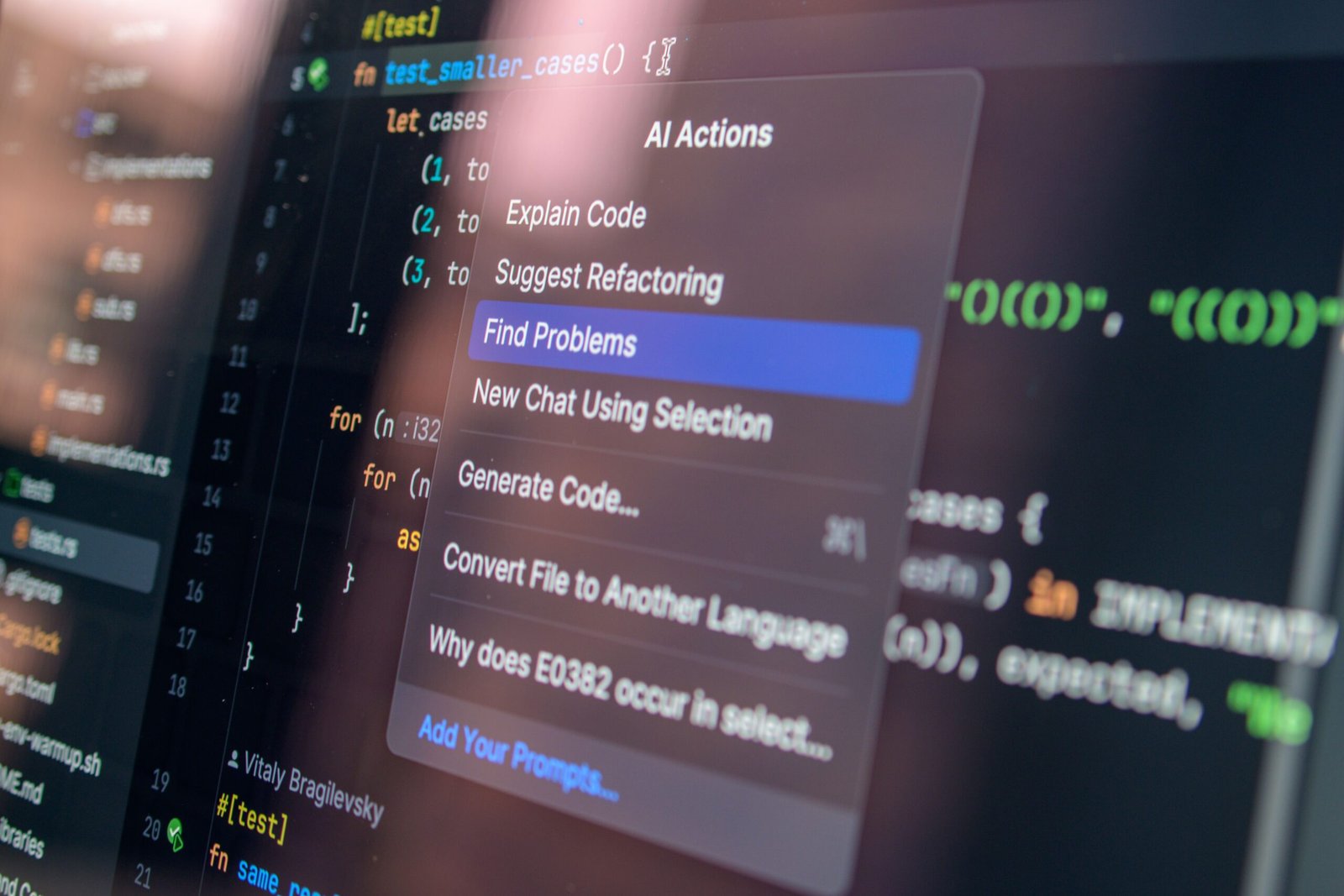
The gap between classroom theory and workplace reality has long been a challenge in technical education. Students can memorize syntax, follow tutorials, and pass every exam on the syllabus, yet still find themselves lost when facing an actual development environment on the job. Bridging that gap requires a deliberate shift in how coding education is designed and delivered. Preparing future developers means giving them experiences that feel authentic, genuinely challenging, and directly relevant to the work they’ll eventually do as professionals.
Why Hands-On Learning Matters More Than Theory Alone
Traditional lecture-based instruction has its place, but it falls short when it comes to building real technical competency. Reading about code and actually writing code are fundamentally different cognitive activities, and students benefit enormously when they’re required to produce working solutions rather than simply absorb information. Hands-on learning builds problem-solving instincts that passive study just can’t replicate. When students encounter errors, work through debugging, and iterate on their solutions, they develop the resilience and critical thinking that employers consistently look for in new hires. Those qualities don’t show up on a multiple-choice test.
Simulating the Professional Development Environment
One of the most effective ways to prepare students is to replicate the tools and workflows they’ll actually encounter in real jobs. That means introducing version control systems, collaborative editing, code review processes, and project-based assignments that mirror genuine software development cycles. When learners work within environments that closely resemble professional setups, the transition into the workforce becomes far less disorienting. Codio, a cloud-based platform designed for computer science education, addresses this need directly by giving students browser-based access to fully configured development environments without any complicated local setup required.
Project-Based Learning as a Core Curriculum Strategy
Project-based learning pushes students beyond isolated exercises and into the kind of sustained, iterative work that defines real software development. Rather than completing disconnected coding drills, learners tackle multi-step problems that require planning, collaboration, and revision over time. This approach naturally introduces concepts like scope management, documentation, and testing in a context where their purpose is immediately obvious. Projects also give students something tangible to discuss in interviews and showcase in portfolios, making them far more competitive when they eventually enter the job market.
The Role of Immediate Feedback in Skill Development
Timely, specific feedback is one of the most powerful accelerants in technical skill development. When a student writes code and receives instant feedback on whether it works, why it fails, and how it might be improved, learning happens at a much faster rate than in environments where feedback is delayed by days or even weeks. Automated grading tools and intelligent assessment systems allow instructors to provide this kind of responsiveness at scale, even across large classes. Students who receive consistent, actionable feedback become far better at self-correcting and growing independently over time, which is precisely the mindset a professional developer needs to thrive.
Encouraging Collaboration and Communication Skills
Software development is rarely a solo activity, and technical education should reflect that reality. Incorporating pair programming, peer code reviews, and team-based projects teaches students how to communicate about code clearly and constructively. These collaborative experiences build soft skills that are just as important as technical proficiency in most workplace settings. Students who have practiced explaining their decisions, receiving critique graciously, and coordinating with others on shared codebases will find the professional environment far more familiar and manageable when they get there.
Keeping Curriculum Aligned With Industry Trends
Technology evolves quickly, and curricula that stay static quickly lose their relevance. Educators and institutions need to actively monitor industry trends and update course content to reflect the languages, frameworks, and practices currently in demand. That doesn’t mean chasing every new technology that emerges, but it does mean making thoughtful, informed decisions about what students genuinely need to know. Partnering with industry professionals, reviewing job postings regularly, and gathering feedback from recent graduates are all practical ways to keep educational programs sharp and well-aligned with employer expectations.
Conclusion
Preparing future developers is about far more than teaching them to code. It’s about creating the conditions where they can think, collaborate, problem-solve, and adapt the way professionals do every day. By investing in hands-on environments, project-based learning, timely feedback, and industry-aligned curriculum, educators can meaningfully close the gap between academic preparation and workplace readiness. The developers of tomorrow will be best served by programs that treat real-world experience not as an afterthought, but as the very foundation of everything they learn.

Boating in Tropical Locations: What to Prepare

Career and Financial Planning: A Guide for Young Adults

Preparing Future Developers With Real-World Coding Experiences

Clint Eastwood Net Worth and Family Life: What You Didn’t Know

Best X Video Downloader Without Watermark — How to Get Clean HD Files

Inside Richard Hammond’s Life: How He Built His Net Worth
-
 Celebrity1 year ago
Clint Eastwood Net Worth and Family Life: What You Didn’t Know
-
 Technology6 months ago
Best X Video Downloader Without Watermark — How to Get Clean HD Files
-
 Celebrity1 year ago
Inside Richard Hammond’s Life: How He Built His Net Worth
-

 Celebrity1 year ago
Guy Willison Net Worth: The Story Behind the Motorcycle Legend