News
Emergency Service Information Worth Keeping on Hand

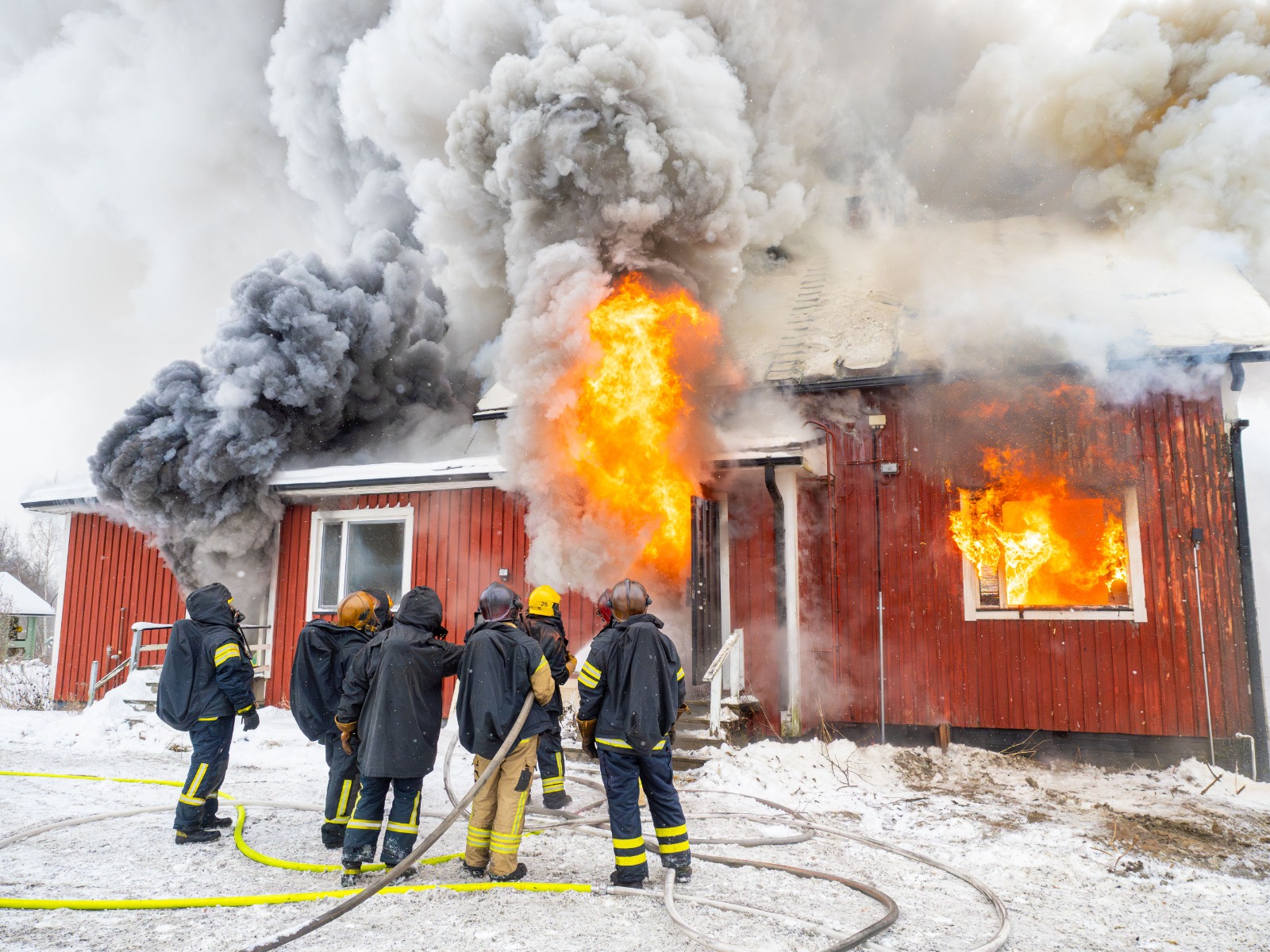
Emergencies rarely give much warning, and when they happen, the last thing anyone wants to do is scramble to figure out who to call or what steps to take. Whether it is a burst pipe, an electrical issue, or unexpected storm damage, having the right information readily available before disaster strikes can save precious time and reduce stress significantly. A little preparation goes a long way toward turning a chaotic situation into a manageable one. Knowing exactly what information to keep on hand, and where to keep it, is one of the simplest yet most overlooked forms of household preparedness.
Key Contact Numbers for Utility Providers
One of the most basic yet frequently overlooked pieces of emergency information is a readily accessible list of utility provider contacts. Knowing who to call for gas leaks, electrical outages, or water main issues can prevent a small problem from escalating into something far more dangerous. Many people assume they will simply search online when an issue arises, but power outages or panic in the moment can make that far more difficult than expected. Keeping a printed list with numbers for your electric, gas, and water companies, along with account numbers if needed, ensures you are not fumbling through apps or old bills during a stressful moment.
Insurance Policy Details and Claim Procedures
Having quick access to insurance information can dramatically streamline the process of filing a claim after property damage occurs. This includes policy numbers, the insurer’s claims hotline, and a general understanding of what documentation will be needed to support a claim, such as photos of damage or receipts for valuable belongings. Many homeowners only think to locate this information after an emergency has already happened, which can delay the claims process at a time when quick action often matters most. Storing digital copies of insurance documents in a secure, easily accessible location, alongside physical copies, adds a layer of redundancy that proves valuable when time is of the essence.
Trusted Local Repair and Restoration Contacts
Beyond utility companies and insurance providers, it helps enormously to have a shortlist of trusted local professionals ready to call when something goes wrong. This might include a plumber, electrician, or general contractor, but it should also include restoration specialists who handle larger scale damage from fire, water, or storms. Researching and saving contact information for an efficient emergency restoration company before an emergency happens means you are not left scrambling to find a reputable provider while also dealing with the stress of active property damage. Taking the time to vet these contacts in advance, rather than during a crisis, often leads to better outcomes and less rushed decision-making.
A Basic Emergency Supply Checklist
While much of emergency preparedness revolves around contact information, having a basic understanding of essential supplies matters just as much. Flashlights, batteries, a first aid kit, bottled water, and a battery-powered or hand-crank radio are all worth keeping stocked and easily accessible in the event of a power outage or other disruption. Knowing where these supplies are stored, and periodically checking that batteries and expiration dates are current, prevents the frustrating discovery that your emergency kit is not actually ready when you need it. This kind of basic readiness complements having the right contacts on hand, since supplies and information work together to help you respond effectively.
Documentation of Home Inventory and Valuables
Keeping a documented inventory of your home’s contents, including photos or video walkthroughs of major rooms and valuable items, can prove invaluable during an emergency, particularly when filing insurance claims after significant damage. This documentation does not need to be elaborate, even a simple video recorded on a smartphone walking through each room can provide crucial evidence of what existed before a fire, flood, or other disaster occurred. Updating this inventory periodically, especially after major purchases or renovations, ensures the information stays accurate and useful whenever it might actually be needed. This small habit can significantly ease the burden of proving losses during an already difficult recovery process.
Conclusion
Being prepared for an emergency is rarely about predicting exactly what will go wrong, but rather about having the right information and resources ready before anything happens. From utility contacts and insurance details to trusted repair professionals and basic supplies, a little organization ahead of time can transform a stressful situation into one that feels far more manageable. Taking the time now to gather and store this information means you will be ready to respond quickly and confidently whenever the unexpected occurs.


Putting a Smart Module Controller to work in demanding sites

Rihanna and Post Malone: Are They Connected in Music?

Post Malone and Kumar Birla: The Story Behind Them

Clint Eastwood Net Worth and Family Life: What You Didn’t Know

Best X Video Downloader Without Watermark — How to Get Clean HD Files

Inside Richard Hammond’s Life: How He Built His Net Worth
-
 Celebrity1 year ago
Clint Eastwood Net Worth and Family Life: What You Didn’t Know
-
 Technology6 months ago
Best X Video Downloader Without Watermark — How to Get Clean HD Files
-
 Celebrity12 months ago
Inside Richard Hammond’s Life: How He Built His Net Worth
-

 Celebrity1 year ago
Mark Normand net worth revealed: his career, lifestyle, and more