
Life Style
Managing a Big Class? How to Keep it Easy

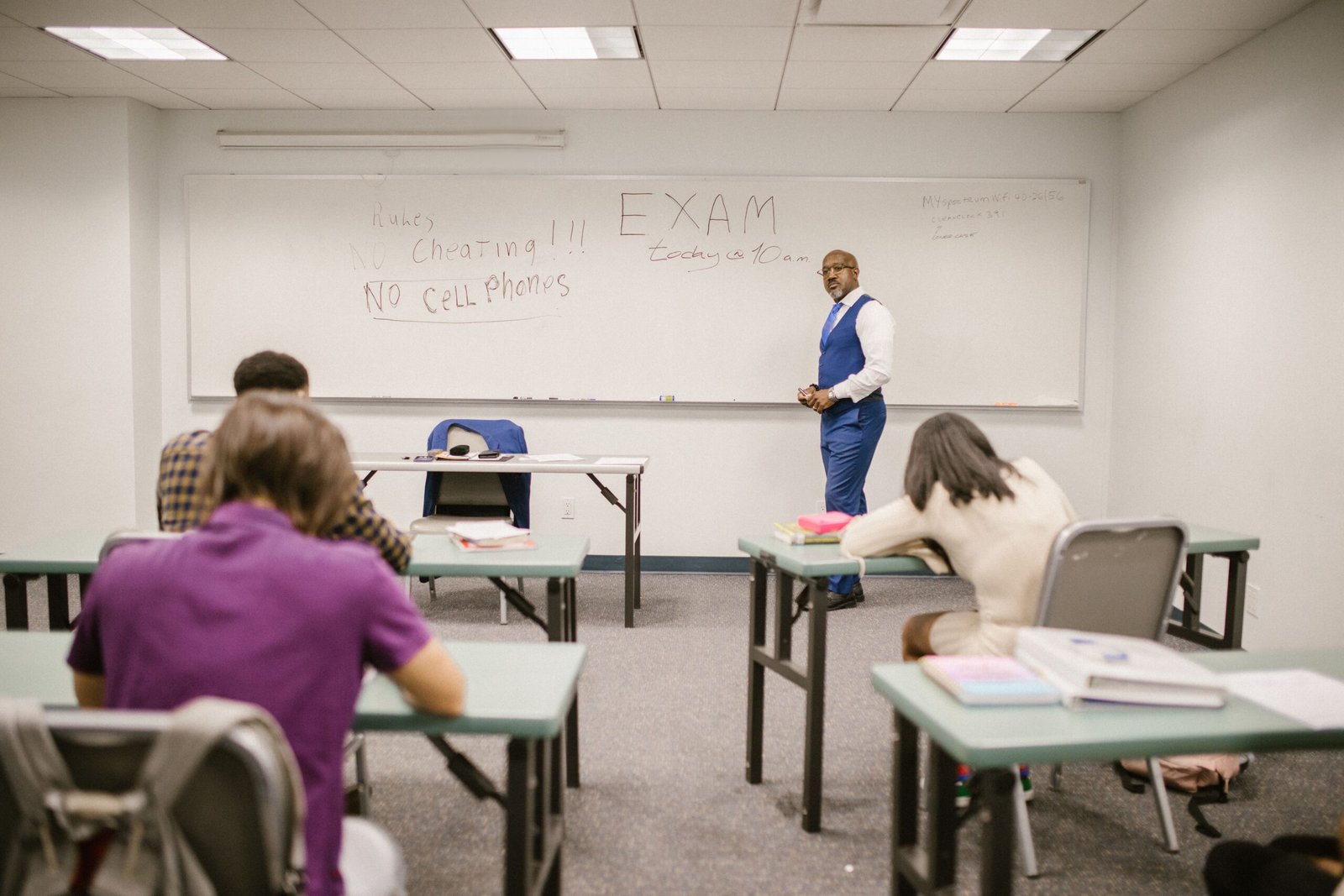
Imagine walking into a classroom where fifty or more students are waiting for your attention, each one with different learning needs, questions, and energy levels. The challenge of managing a large class can feel overwhelming, but many experienced educators have discovered that thoughtful systems and strategies make the work manageable and even rewarding. The key is not working harder but working smarter through organization, communication, and intentional classroom design.
Establish Clear Expectations From Day One
The foundation of any well-managed large class starts with clarity about how things work. On the first day, spend time explaining your classroom routines, expectations, and procedures in detail. Students need to understand where materials are located, how to ask questions, what behavior you expect during different activities, and how grades are calculated. When everyone knows the rules from the beginning, you prevent dozens of individual questions and disruptions throughout the year.
Written expectations posted visibly around the classroom reinforce these standards without requiring you to repeat yourself constantly. Create a simple one-page syllabus or expectations sheet that students and families can reference whenever questions arise. For example, if students know that questions are only asked during designated times or through a specific hand-raising system, they will not interrupt you constantly while you are teaching. This structure actually gives students more freedom and confidence because they understand exactly how your classroom operates.
Use Technology to Handle Administrative Tasks
Grading, attendance, and communication become exponentially more time-consuming in large classes, but technology can handle much of this burden. Learning management systems, digital grade books, and automated attendance tools reduce the manual work that drains your energy and focus. These platforms allow you to post assignments, track submissions, record grades, and communicate with families all in one organized space that students and parents can access independently.
Setting up templates for common tasks saves hours each week. For instance, creating a standard feedback template that you can customize for each assignment means you provide consistent, meaningful comments without rewriting them from scratch for every student. Digital tools also make it easier to organize students into small groups for specific activities or interventions without relying on paper rosters. Teachers managing large classes also rely on a digital hall pass to track student movement in real time, ensuring accountability during independent work periods without interrupting instruction. When your administrative systems run smoothly in the background, you free up mental energy to focus on actual teaching and student relationships rather than drowning in paperwork.
Implement Small Group Instruction Within the Larger Class
Large class sizes do not prevent you from offering targeted, small-group instruction. Divide your students into flexible groups based on their current needs, performance level, or learning goals. While you work with one group on a specific skill or concept, other students engage in independent practice, peer teaching, or enrichment activities designed to reinforce their learning without constant teacher oversight. This approach ensures that struggling students get the focused attention they need while advanced learners stay challenged.
Rotating through small groups requires planning, but it dramatically improves your ability to meet individual needs in a crowded classroom. For example, you might spend twenty minutes reviewing a tricky math concept with students who struggled on a recent assessment, while the rest of the class works on application problems or collaborative projects. This system works because expectations are clear, transitions are practiced, and students know exactly what to do when they are not working directly with you. Over time, students become independent enough that small-group time becomes your most productive teaching window, not a chaotic management nightmare.
Create Systems for Independent and Peer Work
Students in large classes need to develop independence because you cannot provide constant attention to everyone. Design assignments and activities that students can complete successfully without your immediate guidance. This might include guided practice worksheets, reading comprehension questions, partner discussions, peer review activities, or project-based learning tasks that allow students to work collaboratively and learn from each other.
Peer teaching and cooperative learning structures are particularly valuable in big classes because they multiply your instructional capacity. When students explain concepts to each other, teach peers a specific skill, or collaborate on meaningful work, everyone benefits from the social interaction and deeper processing of the material. Establish clear roles and responsibilities for group work so that all students participate rather than having one person do everything. Teaching students how to work effectively in groups requires upfront time, but the payoff is enormous in terms of reduced behavior issues and increased engagement.
Monitor and Adjust Your Systems Regularly
Even the best-planned classroom systems need regular evaluation and adjustment. Periodically review what is working well and what is creating bottlenecks or frustration. Ask yourself which routines students have mastered, which procedures still cause confusion, and where you are spending unnecessary time or mental energy. Gather feedback from students about what helps them learn best in your classroom and which systems feel confusing or unfair.
Be willing to modify your approach based on what you observe. If your current hand-raising system leads to long waits and missed questions, try a new approach like digital questioning tools or talking tokens. If your grading system takes too long, explore rubrics that are faster to apply without sacrificing quality feedback. Small adjustments prevent burnout and keep your classroom running smoothly even as student needs and your own circumstances change throughout the year.
Conclusion
Managing a large class successfully depends less on superhuman effort and more on smart systems that work for everyone. By establishing clear expectations, using technology wisely, teaching in small groups alongside independent work, and regularly adjusting your approach, you transform a potentially chaotic environment into a functional learning space. The goal is not perfection, but rather creating structures that allow you to teach effectively and help every student learn without exhausting yourself in the process. When your classroom operates smoothly, students thrive, families trust you, and you rediscover the joy in teaching.

Tabi Socks Explained: How to Choose and Wear Split-Toe Socks

Solar battery storage system: A Site Planning Guide

Managing a Big Class? How to Keep it Easy

Clint Eastwood Net Worth and Family Life: What You Didn’t Know

Best X Video Downloader Without Watermark — How to Get Clean HD Files

Inside Richard Hammond’s Life: How He Built His Net Worth
-
 Celebrity1 year ago
Clint Eastwood Net Worth and Family Life: What You Didn’t Know
-
 Technology6 months ago
Best X Video Downloader Without Watermark — How to Get Clean HD Files
-
 Celebrity1 year ago
Inside Richard Hammond’s Life: How He Built His Net Worth
-

 Celebrity1 year ago
Guy Willison Net Worth: The Story Behind the Motorcycle Legend