
Blog
Solar battery storage system: A Site Planning Guide

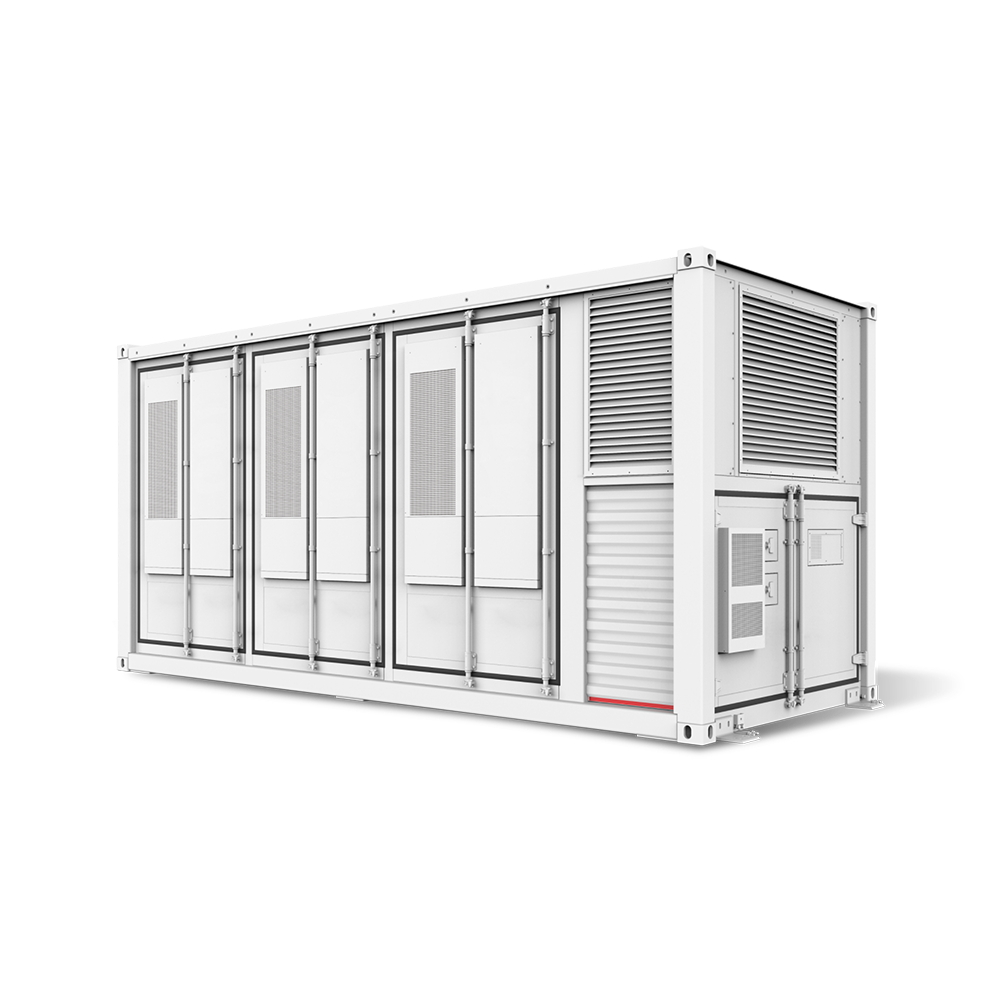
For a household considering how stored solar energy changes evening consumption and outage planning, the household, installer and future service technician need to identify what must still work during an abnormal event. That review should cover protection, resilience and recovery procedures, because the ultimate objective involves comfort, verifiable energy savings, electrical safety and long-term maintainability. A reliable energy project emerges from several coordinated decisions rather than one exceptional device. Interfaces and operational responsibilities matter from the start. A good plan links these practical questions to tests, documented responsibilities and realistic site conditions.
Solar coordination
Inverter and battery communications need compatible control signals and clear error handling. Any related promise should be linked to a documented test method and to the operating conditions for which it applies.
Plan for changing needs
A future electric vehicle, home extension or change in working patterns may reshape electricity demand. Clear capacity margins and compatible interfaces make later decisions easier without assuming every home needs the largest system.
Safety location
Thermal conditions, emergency access and installation clearances must be considered with local rules. Any related promise should be linked to a documented test method and to the operating conditions for which it applies.
Make safety visible
Protection devices, isolation access, cable routing and emergency procedures deserve the same attention as projected output. The installer should show the homeowner how to identify safe operating states and whom to contact.
In a reliability review, consider solar battery storage system against the required fault response and local protection study. The acceptance plan should describe what will be tested on site.
Future household use
Electrification of heating or transport could alter the expected load and ideal dispatch strategy. An independent operational check can show whether the plan reflects everyday use rather than an idealized demonstration.
Daily cycling
Storage value depends on the timing of daytime exports, evening demand and electricity tariffs. This is also a useful point to identify the maintenance team, the safety procedure and the records needed during a future fault.
Useful capacity
Advertised energy capacity and practically usable capacity may differ with state-of-charge limits and operating conditions. If later expansion is likely, the project should document both the technical interface and any new approval that could be needed.
A final risk review should evaluate solar battery storage system in the context of site-specific protection, operating limits and recovery procedures.
Control choices
An energy management strategy decides when the battery charges, discharges or maintains a reserve. The owner can ask the designer to identify the measurement that would confirm this expectation after the system is commissioned.
For a solar battery storage system, the decisive question is whether the specified functions can be supported by site evidence, safe procedures and an accountable operating model. Each requirement should be reviewed against the actual project, not assumed to apply everywhere.
Make reliability testable
The project team should define credible fault scenarios and the acceptable response to each. Evidence from repeatable testing offers a stronger basis for confidence than broad reliability language.

Tabi Socks Explained: How to Choose and Wear Split-Toe Socks

Solar battery storage system: A Site Planning Guide

Managing a Big Class? How to Keep it Easy

Clint Eastwood Net Worth and Family Life: What You Didn’t Know

Best X Video Downloader Without Watermark — How to Get Clean HD Files

Inside Richard Hammond’s Life: How He Built His Net Worth
-
 Celebrity1 year ago
Clint Eastwood Net Worth and Family Life: What You Didn’t Know
-
 Technology6 months ago
Best X Video Downloader Without Watermark — How to Get Clean HD Files
-
 Celebrity1 year ago
Inside Richard Hammond’s Life: How He Built His Net Worth
-

 Celebrity1 year ago
Guy Willison Net Worth: The Story Behind the Motorcycle Legend