
Blog
The Stories Behind the World’s Most Famous Paintings

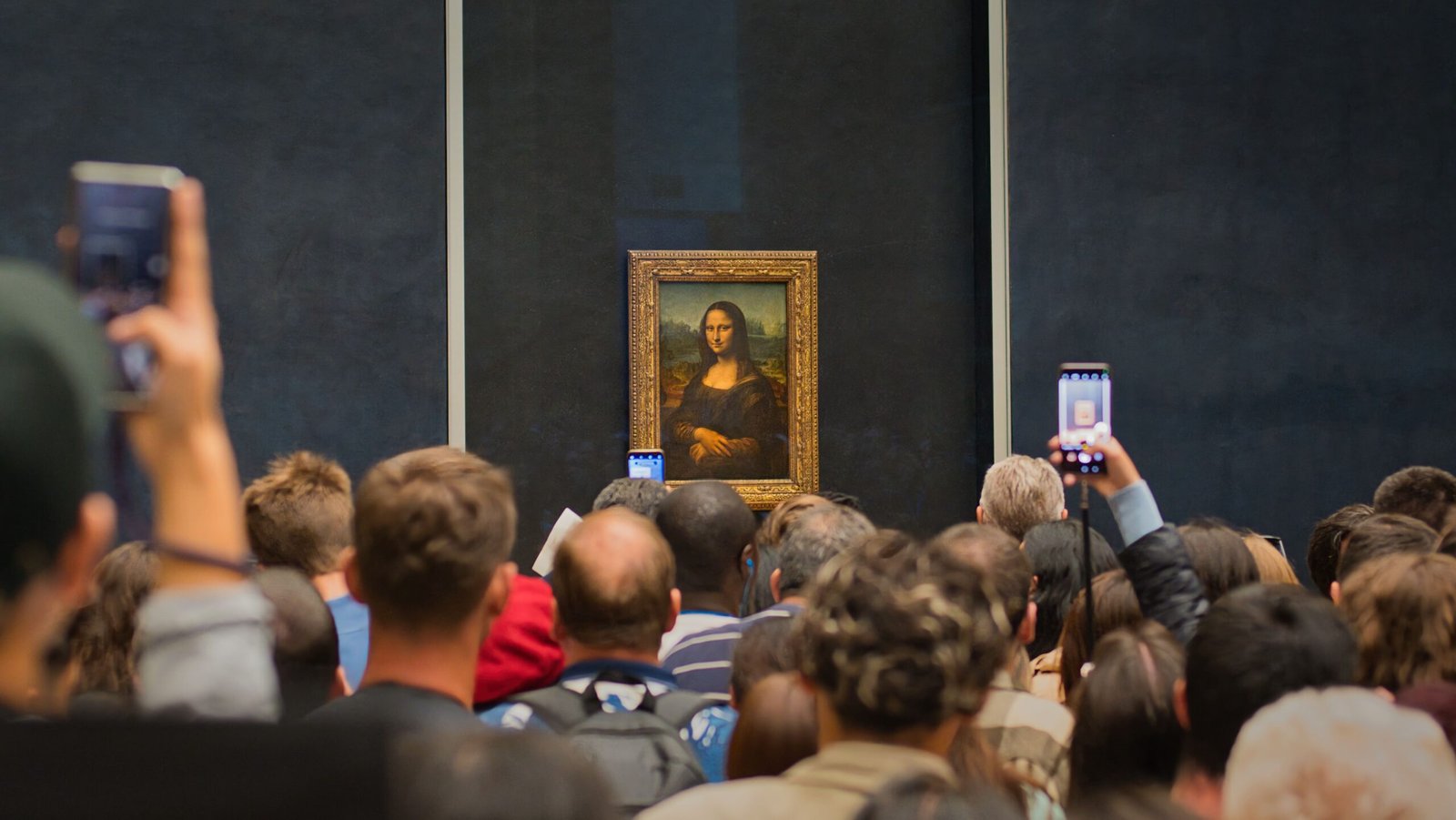
Some paintings are so famous that they’ve become part of everyday visual culture. We see them on posters, tote bags, and phone screens so often that it’s easy to forget they began as real objects made by real people, often under strange, difficult, or surprising circumstances. Behind the glass and the crowds are tales of rivalry, secrecy, theft, and reinvention. Here’s a look at some of the stories that give these masterpieces their lasting mystique, and why knowing them changes the way you see the work.
The Mona Lisa and the Portrait That Never Left Leonardo
Leonardo da Vinci’s most famous portrait was likely commissioned by a Florentine merchant, yet the artist never handed it over. He kept working on it for years, carrying it with him on his travels until he eventually settled in France. That long period of refinement helps explain the painting’s soft, hazy quality, achieved through thin layers of glaze that blur the edges of the face. Its fame exploded in 1911, when a museum worker stole it from the Louvre. The theft made headlines around the world, and when the painting was recovered two years later, it had become a global celebrity. A mix of technique, mystery, and scandal turned a quiet portrait into an icon.
Starry Night and the Mind Behind the Brushstrokes
Vincent van Gogh painted The Starry Night in 1889 while staying at an asylum in Saint-Rémy-de-Provence. The view from his window inspired it, but the swirling sky and the dramatic cypress tree came largely from memory and imagination. Van Gogh wrote about the painting with mixed feelings, and he sold very few works during his lifetime. The story people often tell about him is one of tragedy, yet he was also deeply disciplined, producing an enormous body of work in a remarkably short time. Today, the painting is celebrated for its emotional intensity, a vivid reminder that feeling can matter as much as realism.
The Girl With a Pearl Earring and the Power of Mystery
Johannes Vermeer’s famous painting isn’t actually a portrait of a specific person. It’s what’s known as a tronie, a Dutch style focused on character, expression, and costume rather than a recognizable sitter. That ambiguity has fueled speculation for centuries, inspiring novels, films, and endless debate about who the girl might be. Vermeer’s mastery of light is on full display, with the glow on the pearl and the soft glance over the shoulder drawing viewers in. The lack of a clear backstory is part of the charm. It invites each person to imagine their own version of her story.
How Photography Changed the Way We Experience Art
For much of history, seeing a famous painting meant traveling to wherever it hung. The rise of photography and printing changed that, allowing images of masterpieces to circulate widely and shaping how artists thought about realism, framing, and light. Today, photography is an art form in its own right, and collectors who appreciate the drama of classic painting often find the same qualities in contemporary fine art photographs, where composition, mood, and timing carry the kind of emotional weight once associated mainly with canvas. The two mediums continue to influence each other, borrowing ideas about atmosphere and storytelling. Seeing the connection can deepen your appreciation of both.
Hidden Layers, Lost Works, and Ongoing Discoveries
Many famous paintings hold secrets beneath the surface. X-rays and infrared imaging have revealed earlier sketches, changed compositions, and even entirely different images painted over by the artist. Some works have gone missing altogether, such as the pieces stolen in the 1990 Isabella Stewart Gardner Museum heist, which remain unrecovered. Forgers have fooled experts, and restorers have uncovered original colors that had been dulled by centuries of grime and varnish. These discoveries remind us that even the most studied paintings can still surprise us. Each new technology offers a fresh way to look closer and ask new questions.
Final Thoughts
The most famous paintings endure not only because they are beautiful, but because they carry human stories of ambition, doubt, mystery, and sometimes outright drama. Learning those stories turns a quick glance into a richer encounter, one that connects us to the people who made the work and the times they lived in. The next time you stand in front of a masterpiece, take a moment to look beyond the surface. There’s often a far more interesting tale waiting underneath.

The Stories Behind the World’s Most Famous Paintings
Here’s How You Can Start A Dog Grooming Business

How to Deep Clean Your Home Like a Professional

Clint Eastwood Net Worth and Family Life: What You Didn’t Know

Best X Video Downloader Without Watermark — How to Get Clean HD Files

Inside Richard Hammond’s Life: How He Built His Net Worth
-
 Celebrity1 year ago
Clint Eastwood Net Worth and Family Life: What You Didn’t Know
-
 Technology6 months ago
Best X Video Downloader Without Watermark — How to Get Clean HD Files
-
 Celebrity1 year ago
Inside Richard Hammond’s Life: How He Built His Net Worth
-

 Celebrity1 year ago
Guy Willison Net Worth: The Story Behind the Motorcycle Legend