
Biography
How Competitive Benefits Can Improve Employee Retention

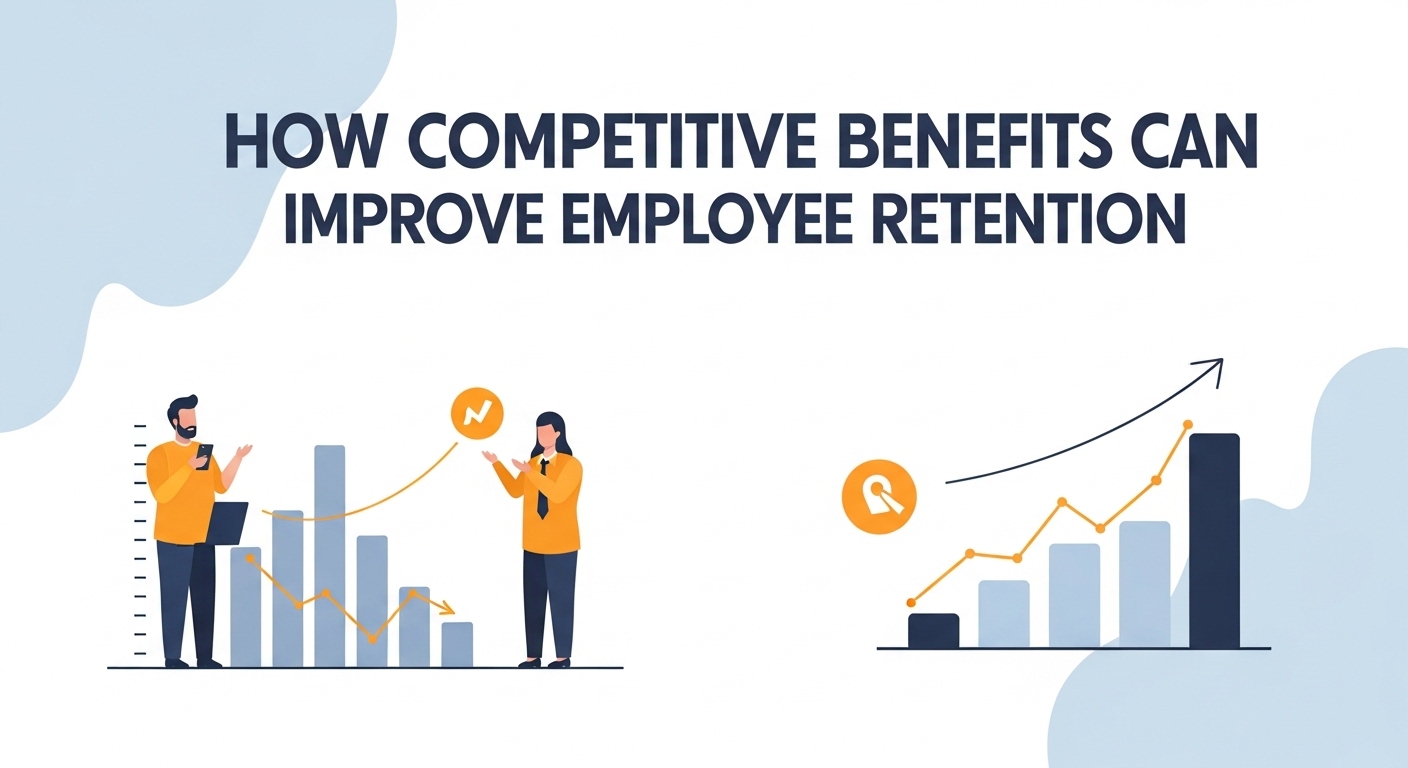
Employee retention has become a critical focus for organizations navigating an increasingly competitive labor market. As job seekers gain more options and flexibility, employers are being challenged to look beyond traditional incentives to keep their teams engaged and committed. Salary will always matter, but it is no longer the sole factor influencing whether employees stay or leave.
Today’s workforce places significant value on stability, support, and overall quality of life. Benefits play a powerful role in shaping how employees perceive their employer and their future within an organization. When benefits are thoughtfully structured and consistently supported, they can become a cornerstone of long term employee retention.
Why Retention Is a Growing Business Concern
High turnover carries measurable costs for employers. Recruiting, onboarding, and training new employees require time, financial investment, and internal resources. Frequent turnover can also disrupt team dynamics, reduce productivity, and weaken institutional knowledge.
Beyond expenses, retention impacts morale and company reputation. Employees who see colleagues leave frequently may question long term stability or leadership effectiveness. By focusing on retention, organizations protect not only their budgets but also their workplace culture.
The Evolving Expectations of Employees
Employee expectations have shifted considerably over recent years. Many workers now prioritize flexibility, health support, and work life balance alongside compensation. Benefits have become a way for employees to evaluate whether an employer understands and supports their real world needs.
Healthcare coverage, mental wellness resources, and financial planning tools are increasingly viewed as essential rather than optional. When benefits feel outdated or inadequate, employees may begin to explore alternatives. Competitive benefits signal that an employer is invested in employee well being beyond the paycheck.
Benefits as a Reflection of Company Values
Benefits often serve as a tangible expression of organizational values. Employers that prioritize comprehensive health coverage, preventive care, and employee assistance programs demonstrate a commitment to long term well being. This alignment between stated values and actual offerings builds trust.
Employees who feel valued are more likely to remain loyal, even during challenging periods. When benefits support both personal and professional growth, employees tend to form stronger emotional connections to their workplace. Over time, this connection becomes a powerful retention factor.
Health Coverage and Retention Outcomes
Health benefits consistently rank among the most important factors influencing employee satisfaction. Access to reliable healthcare reduces stress and allows employees to focus more fully on their roles. When coverage is unclear or difficult to navigate, frustration can undermine engagement.
Well managed health plans also encourage preventive care, which supports long term employee wellness. Healthy employees are more productive and less likely to experience burnout. Organizations that invest in well structured benefits often see lower absenteeism and stronger retention over time.
The Role of Administration in Benefit Satisfaction
Even strong benefits can fall short if they are poorly administered. Confusing enrollment processes, delayed support, or lack of communication can cause frustration for employees. Clear, efficient administration helps employees understand and fully utilize their benefits.
This is where health benefits administration services play an important role. Effective administration ensures benefits run smoothly, questions are addressed promptly, and compliance requirements are met. When employees experience fewer obstacles, their confidence in the employer grows.
Competitive Benefits in a Changing Workforce
Younger generations entering the workforce often evaluate employers differently than previous generations. Transparency, flexibility, and personalization matter more than one size fits all offerings. Competitive benefits can help employers stand out in a crowded hiring market.
As remote and hybrid work become more common, benefits must also adapt. Support for mental health, virtual care, and wellness initiatives reflects an understanding of modern employee needs. Companies that evolve their benefits strategy are better positioned to retain diverse talent.
Retention as a Long Term Strategy
Employee retention should be viewed as an ongoing process rather than a one time initiative. Regularly reviewing benefit offerings allows organizations to identify gaps and respond to changing employee priorities. Feedback from employees can provide valuable insight into what is working and what needs improvement.
When benefits evolve alongside workforce expectations, employees feel heard and respected. This sense of partnership strengthens retention and encourages employees to envision a future within the organization. Long term strategies foster stability and resilience in both staff and leadership.
Building Trust Through Consistency and Support
Consistency is key when it comes to benefits and retention. Employees need to trust that coverage and support will remain reliable over time. Sudden changes or unclear communication can undermine confidence.
Organizations that maintain consistent benefit structures and provide reliable support create a sense of security. This environment encourages employees to commit long term and reduces the temptation to seek opportunities elsewhere. Trust, once established, becomes a powerful retention driver.
Conclusion
Competitive benefits play a central role in improving employee retention by addressing the broader needs of today’s workforce. Beyond compensation, benefits communicate care, stability, and long term commitment. When employees feel supported in their health and well being, they are more likely to remain engaged and loyal.
By investing in well structured benefits and ensuring they are effectively managed, organizations can create a workplace where employees choose to stay. Retention grows when benefits align with employee expectations and reinforce a culture of trust and support.

Katie Holmes and Tom Cruise: The Story Behind Their Bond

Clint Eastwood and Justin Bieber: The Story Behind Fame

Rodolphe Saade and Greg Hayes: Two Business Titans

Clint Eastwood Net Worth and Family Life: What You Didn’t Know

Best X Video Downloader Without Watermark — How to Get Clean HD Files

Inside Richard Hammond’s Life: How He Built His Net Worth
-
 Celebrity12 months ago
Clint Eastwood Net Worth and Family Life: What You Didn’t Know
-
 Technology5 months ago
Best X Video Downloader Without Watermark — How to Get Clean HD Files
-
 Celebrity11 months ago
Inside Richard Hammond’s Life: How He Built His Net Worth
-

 Celebrity11 months ago
Mark Normand net worth revealed: his career, lifestyle, and more