
Life Style
5 Common Mistakes in Media Coverage Analysis

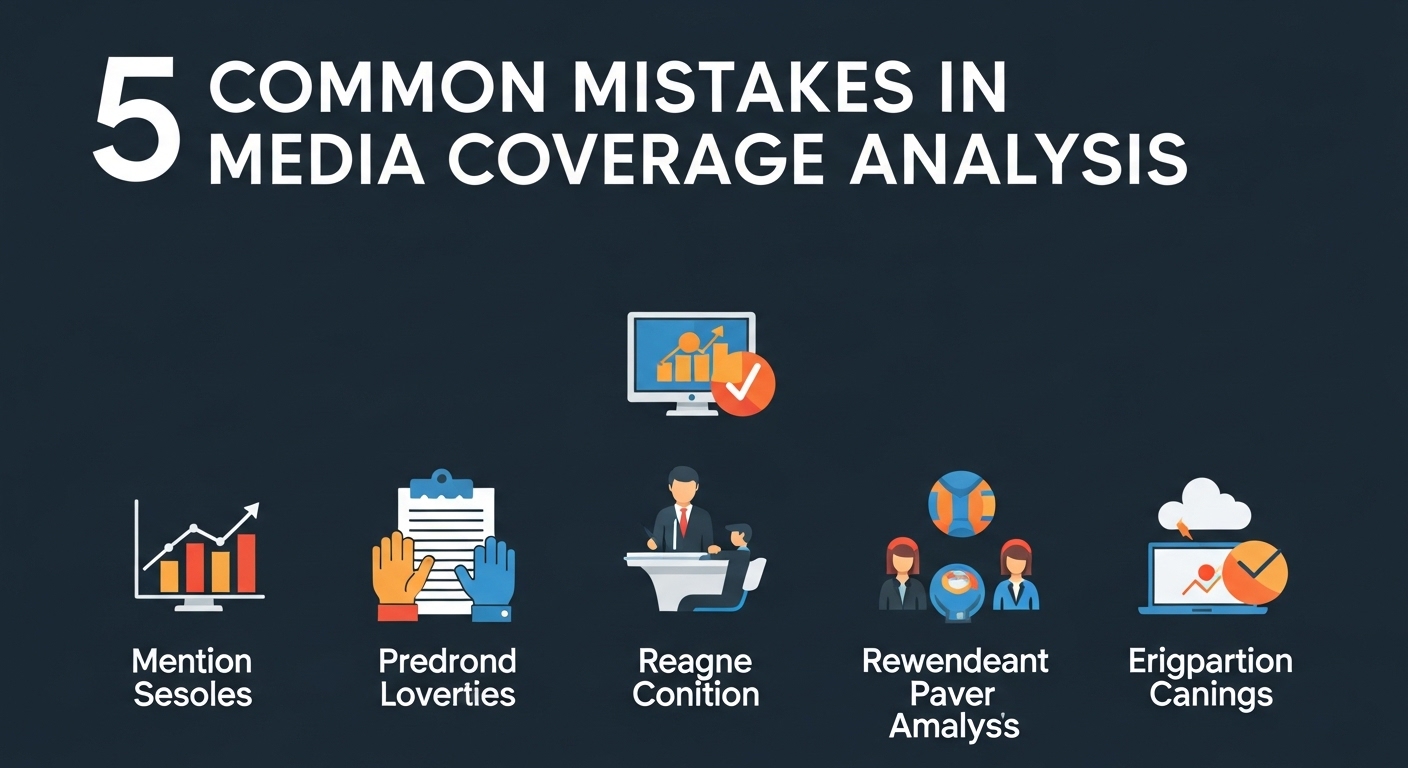
Media coverage analysis is a cornerstone of modern public relations and communications strategy. It helps organizations understand how their brand is perceived, how their messages are being delivered, and where improvements can be made. Yet, despite its importance, many teams fall into common pitfalls that undermine the accuracy and usefulness of their analysis. Recognizing these mistakes is the first step to build a stronger, more reliable approach to evaluate media impact.
Overlooking Context in Coverage
One of the most frequent mistakes is analyzing coverage without considering the broader context. A mention in a major publication may seem positive at first glance, but if the surrounding narrative is critical or negative, it can have an impact that is very different. Effective analysis requires looking beyond the surface to understand tone, sentiment, and the positioning of the brand within the story. Ignoring context can lead to conclusions that mislead and poor strategic decisions.
Relying on Quantitative Metrics
Counting mentions, impressions, or reach is useful, but numbers alone tell the full story. Many organizations focus too on quantitative data while neglecting qualitative insights such as message accuracy, audience relevance, and emotional resonance. A balanced approach that combines both quantitative and qualitative metrics provides a more complete picture of media performance and ensures that analysis reflects real-world impact.
Ignoring Competitor Coverage
Another common oversight is failing to track and analyze competitor coverage. Media analysis should not exist in isolation; understanding how competitors are being represented helps organizations identify opportunities and threats. By comparing coverage trends, tone, and visibility, PR teams can refine their strategies to stand out in crowded markets and avoid being overshadowed by rival narratives.
Misinterpreting Sentiment Analysis
Sentiment analysis tools are valuable, but they are not perfect. Automated systems can misinterpret sarcasm cultural nuances, or complex language, leading to inaccurate results. Relying on sentiment scores without human review can distort the understanding of media coverage. Combining technology with human judgment ensures that sentiment analysis is both accurate and meaningful.
Neglecting Professional Support
Many organizations attempt to manage media analysis in-house, which can limit the depth and accuracy of insights. Partnering with a trusted media coverage service provides access to advanced tools for broader monitoring capabilities, and expert interpretation. These services help organizations avoid blind spots and ensure that their analysis is comprehensive, reliable, and actionable.
Conclusion
Media coverage analysis is a powerful tool but when executed with care and precision. Overlooking context, relying too on numbers, ignoring competitors’ misinterpreting sentiment and neglecting professional support are mistakes that can weaken the value of analysis. By avoiding these pitfalls, organizations can transform their media evaluation into a strategic asset that drives smarter decisions against stronger campaigns and more resilient reputations.

Putting a Smart Module Controller to work in demanding sites

Rihanna and Post Malone: Are They Connected in Music?

Post Malone and Kumar Birla: The Story Behind Them

Clint Eastwood Net Worth and Family Life: What You Didn’t Know

Best X Video Downloader Without Watermark — How to Get Clean HD Files

Inside Richard Hammond’s Life: How He Built His Net Worth
-
 Celebrity1 year ago
Clint Eastwood Net Worth and Family Life: What You Didn’t Know
-
 Technology6 months ago
Best X Video Downloader Without Watermark — How to Get Clean HD Files
-
 Celebrity12 months ago
Inside Richard Hammond’s Life: How He Built His Net Worth
-

 Celebrity1 year ago
Mark Normand net worth revealed: his career, lifestyle, and more