
Business
Old Clay Pipes Cracking Underneath Your Property? The Fix That Doesn’t Destroy Your Driveway

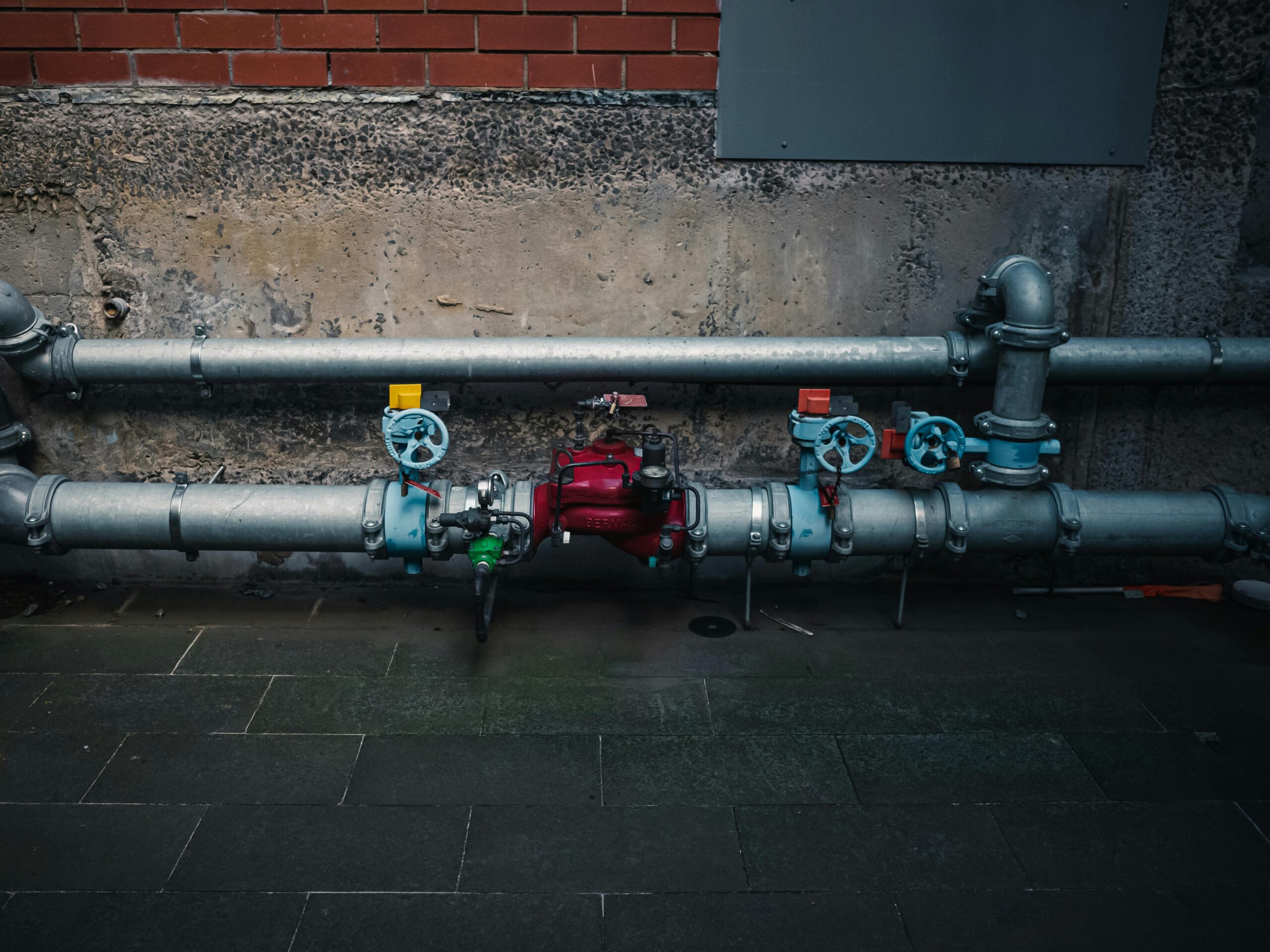
Many older Adelaide homes still rely on clay drainage pipes beneath the property. These pipes were widely used for decades and can last a long time, but age, ground movement, tree roots, and pressure from above can eventually cause cracking. The problem becomes more stressful when the damaged section sits under a driveway, concrete path, paved area, or garage slab.
Most homeowners worry that repairing the pipe will mean cutting open the driveway and leaving the property disrupted for days. Sometimes excavation is unavoidable, but it is not the only possible solution. In many cases, pipe relining Adelaide services may offer a less invasive way to repair suitable cracked pipes from the inside.
If you have been told your old clay pipes are damaged, it is worth understanding your options before agreeing to major excavation.
Why Clay Pipes Crack Over Time
Clay pipes are strong in many ways, but they are also rigid. Unlike modern flexible pipe materials, clay does not handle movement well. Over time, soil shifts, tree roots expand, vehicles place pressure on driveways, and small pipe joints can loosen.
Once a crack appears, water can leak out and soil can move around the pipe. Roots may also find the moisture and enter through the damaged section. As roots grow inside the pipe, they trap toilet paper, waste, grease, and silt. This can lead to repeated blockages and slow drainage.
Cracks may start small, but they often worsen if ignored. A pipe that still drains today may become restricted or unstable later, especially if heavy loads sit above it.
Why Pipes Under Driveways Are Harder to Repair
A damaged pipe under open lawn is easier to access than one beneath concrete or paving. When a pipe sits under a driveway, excavation may involve cutting concrete, removing sections of the surface, digging down to the pipe, replacing the damaged section, backfilling, and repairing the driveway.
This can be disruptive, noisy, and messy. It may also make parking difficult and affect access to the home. If the driveway has decorative concrete, pavers, or a finished surface that is hard to match, reinstatement can become a separate concern.
For this reason, homeowners often look for options that can repair the pipe without destroying the surface above it.
How Relining Works Under Hard Surfaces
Relining repairs the inside of the existing pipe. The damaged clay pipe is inspected with a CCTV camera, cleaned, and prepared. A resin coated liner is then inserted into the pipe and positioned over the damaged area. Once it cures, it creates a new internal surface.
This means the old clay pipe remains in place, but the lining seals cracks and helps restore a smoother path for wastewater. Because the work can often be done through access points, it may reduce or avoid the need to dig up the driveway.
For homeowners comparing excavation with Adelaide pipe relining, the major benefit is less disturbance to finished surfaces. The driveway may remain intact if the pipe is suitable and access is available.
When Relining Is a Good Option
Relining may suit clay pipes with cracks, root entry points, open joins, or minor structural damage where the pipe still holds its shape. It can be a practical choice when the damaged section sits under concrete, paving, paths, garden walls, or driveways.
It may not suit pipes that have fully collapsed, have severe misalignment, or have lost too much structure. In those cases, the liner may not be able to form correctly. A proper camera inspection is needed to confirm suitability.
The plumber should show you the footage and explain why relining is or is not suitable. Without that inspection, it is difficult to make a reliable decision.
The Hidden Cost of Digging Up a Driveway
When comparing repair options, do not look only at the plumbing work. Excavating under a driveway may also involve concrete cutting, disposal, surface replacement, curing time, and possible colour or texture mismatch.
If the pipe is deep, excavation may require more labour and careful safety controls. If the driveway provides the only access to the garage or carport, you may also need to plan around parking and daily movement.
Relining may have a higher upfront plumbing cost than a small exposed pipe replacement, but it can reduce the extra costs linked to digging and reinstating hard surfaces. The final decision should consider the full property impact.
Warning Signs of Cracked Clay Pipes
Cracked clay pipes often show signs before a major failure occurs. Repeated drain blockages are common, especially if tree roots have entered the pipe. Toilets may flush slowly, showers may gurgle, and outdoor drains may smell.
You may notice damp patches near the driveway, sunken areas in paving, or greener grass along the drainage path. In some cases, there may be no visible surface signs, only recurring internal drainage problems.
If you have an older home and the same drain keeps blocking, ask whether a camera inspection has checked the condition of the clay pipes. Clearing the blockage without inspecting the pipe may miss the reason it keeps happening.
Why Timing Matters
A cracked pipe rarely improves on its own. The longer it remains open, the more likely roots, soil, and waste will affect the drainage line. Small cracks can become larger, and a repair that may have been suitable for relining can become more difficult if the pipe collapses.
Early investigation gives you more options. If the pipe is still structurally suitable, relining may be possible. If the issue is left until the driveway sinks, wastewater overflows, or the pipe collapses, excavation may become unavoidable.
Timely action can protect the driveway and reduce the chance of emergency repairs.
Conclusion
Old clay pipes under driveways create a difficult problem. The pipe may need repair, but digging through the surface above it can cause major disruption. Pipe relining can offer a practical alternative when the pipe is damaged but still suitable for internal repair.
A CCTV inspection is the best place to start. It shows whether the pipe is cracked, root affected, collapsed, or still able to support a liner. From there, you can compare relining and excavation with a clear understanding of cost, disruption, and long term value.
If your clay drains keep blocking or a camera inspection has found cracks under your driveway, ask about relining before approving excavation. The right repair may fix the pipe without destroying the surface above it.

Mike Dobinson and Maisie Adam Love Story Revealed

Old Clay Pipes Cracking Underneath Your Property? The Fix That Doesn’t Destroy Your Driveway

Kirsten Kutner and Greg Norman Love Story Revealed

Clint Eastwood Net Worth and Family Life: What You Didn’t Know

The Story Behind Akon’s Net Worth and His Rise to Fame

Inside Richard Hammond’s Life: How He Built His Net Worth
-
 Celebrity8 months ago
Clint Eastwood Net Worth and Family Life: What You Didn’t Know
-
 Celebrity8 months ago
The Story Behind Akon’s Net Worth and His Rise to Fame
-
 Celebrity7 months ago
Inside Richard Hammond’s Life: How He Built His Net Worth
-

 Celebrity7 months ago
George Michael’s Net Worth and the Stories You Might Not Know