
Life Style
4 Everyday Training Tips for Busy Dog Owners

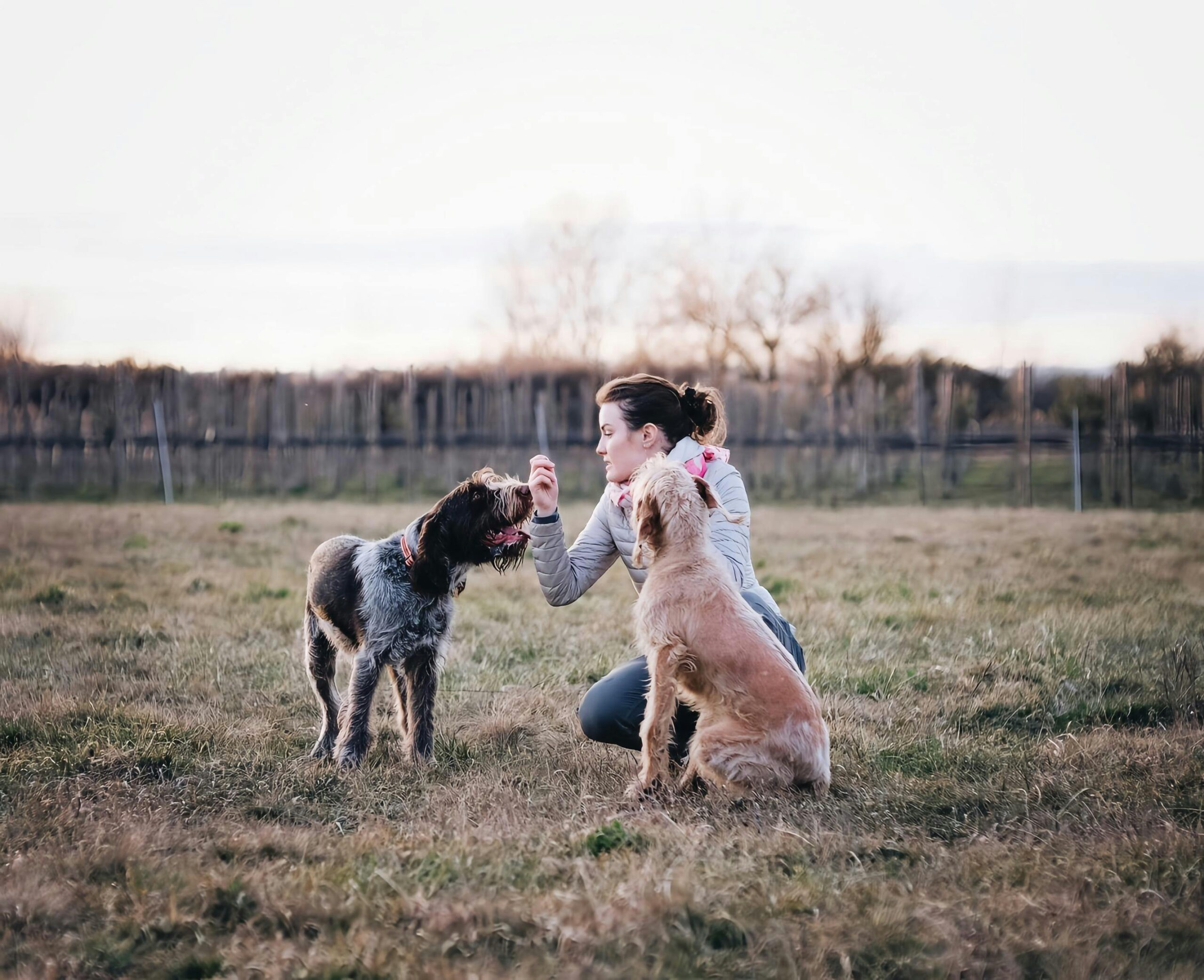
Training a dog takes time, patience, and consistency, but for many busy owners, finding the right balance can feel challenging. The good news is that effective training does not require long, complicated sessions. Small, intentional habits woven into your daily routine can make a meaningful difference in your dog’s behavior and overall confidence. When training becomes part of everyday life, dogs learn more naturally, respond more reliably, and feel more connected to the people guiding them. With a practical approach, even the busiest owners can support steady progress and build a strong foundation of communication and trust.
Using Daily Moments as Training Opportunities
Training does not have to be limited to structured sessions. Everyday moments offer valuable opportunities to reinforce good behavior. Asking your dog to sit before meals, wait at doorways, or come when called during play helps integrate training into natural routines. These small interactions teach your dog to listen consistently and understand that cues apply in all situations, not just during formal practice. When training becomes part of daily life, your dog learns to respond reliably without feeling overwhelmed. This approach also helps busy owners stay consistent, since it requires no extra time set aside for long sessions.
Keeping Commands Clear and Consistent
Clear communication is essential for helping dogs understand what is expected of them. Using the same words, tone, and gestures for each command prevents confusion and speeds up learning. Dogs rely on repetition to form strong associations, and consistency helps them build confidence in their responses. When multiple people in the household are involved, everyone should follow the same guidelines to maintain clarity. Consistent communication reduces frustration for both dog and owner and creates a smoother training experience. Even with limited time, maintaining consistency ensures that each interaction supports long term progress.
Reinforcing Good Behavior with Positive Rewards
Positive reinforcement is one of the most effective ways to encourage good behavior, especially for busy owners who need quick, reliable results. Rewarding your dog with treats, praise, or affection immediately after they perform a desired behavior helps them understand what you want them to repeat. This method builds trust and makes training enjoyable, which keeps your dog motivated. Reinforcement can be incorporated into daily routines without requiring extra time. A simple reward for calm behavior, polite greetings, or listening on the first cue helps strengthen habits and supports long term obedience. Over time, your dog becomes more responsive because they associate training with positive experiences.
Seeking Professional Support for More Complex Needs
Some behaviors require more specialized guidance, especially when they involve anxiety, reactivity, or difficulty adjusting to time alone. Busy owners may find it challenging to address these issues without expert help. Working with professionals who offer reputable separation anxiety dog training provides structured, evidence based strategies tailored to your dog’s specific needs. These trainers help identify the root causes of the behavior and develop a plan that supports both the dog and the owner. Professional guidance ensures that training remains safe, effective, and manageable, even with a busy schedule. Early support often leads to better outcomes and helps prevent behaviors from becoming more severe over time.
Conclusion
Supporting good behavior in a busy lifestyle is possible through small, consistent habits. Using daily moments for training, keeping communication clear, reinforcing positive behavior, and seeking professional help when needed all contribute to steady progress. With a practical and thoughtful approach, busy dog owners can build strong communication, encourage reliable obedience, and create a more harmonious relationship with their dogs.

Putting a Smart Module Controller to work in demanding sites

Rihanna and Post Malone: Are They Connected in Music?

Post Malone and Kumar Birla: The Story Behind Them

Clint Eastwood Net Worth and Family Life: What You Didn’t Know

Best X Video Downloader Without Watermark — How to Get Clean HD Files

Inside Richard Hammond’s Life: How He Built His Net Worth
-
 Celebrity1 year ago
Clint Eastwood Net Worth and Family Life: What You Didn’t Know
-
 Technology6 months ago
Best X Video Downloader Without Watermark — How to Get Clean HD Files
-
 Celebrity12 months ago
Inside Richard Hammond’s Life: How He Built His Net Worth
-

 Celebrity1 year ago
Mark Normand net worth revealed: his career, lifestyle, and more