
Business
5 Maintenance Strategies That Help Maximize Solar Energy Production

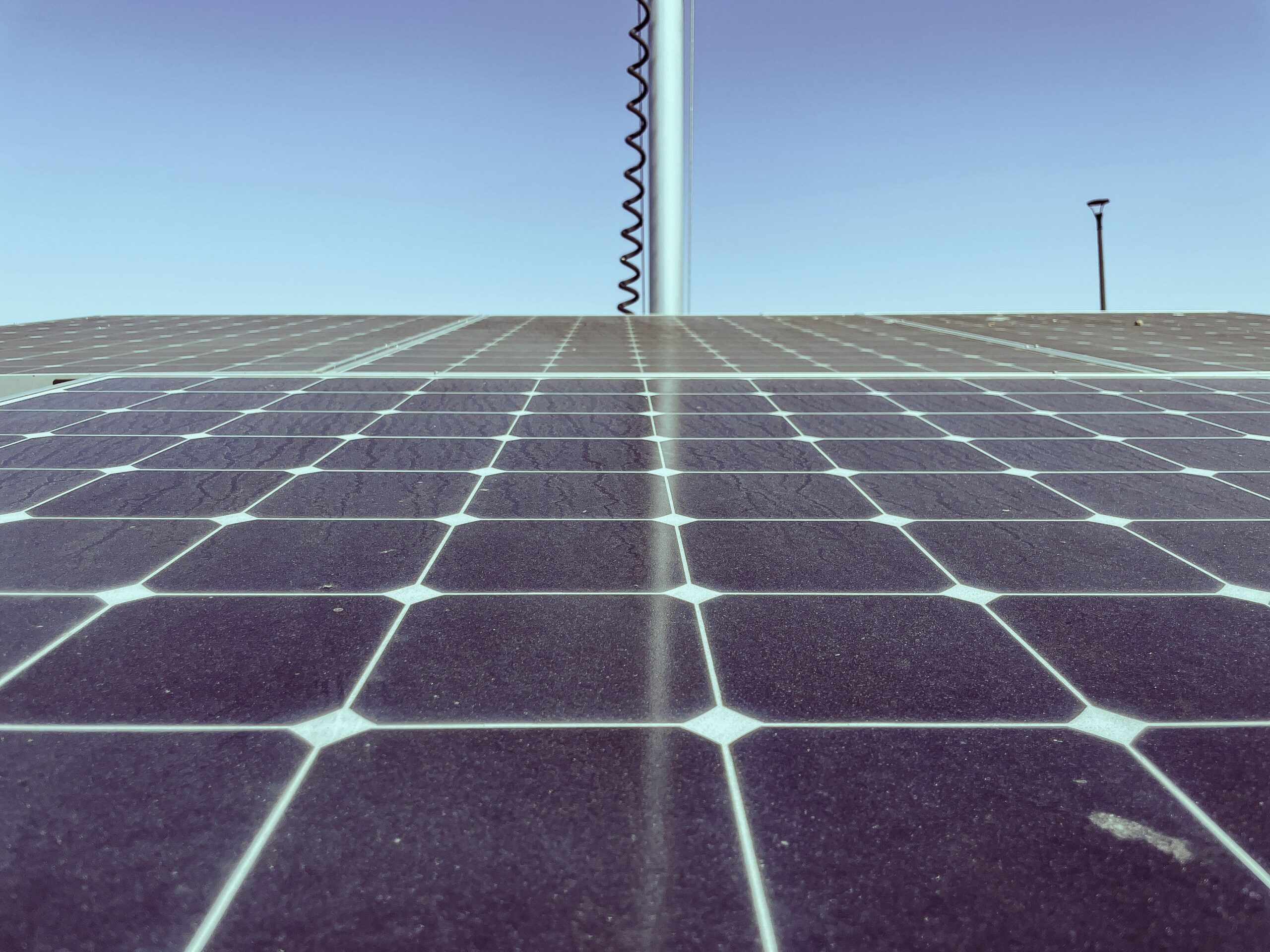
Solar energy systems deliver long term value when they operate at peak efficiency, and consistent maintenance plays a central role in achieving that performance. Environmental exposure, debris accumulation, weather conditions, and natural wear can gradually reduce output if panels are not properly cared for. Homeowners and businesses benefit from adopting maintenance strategies that preserve clarity, protect surfaces, and support reliable energy production throughout the year. By focusing on the right practices, solar systems remain efficient, durable, and capable of delivering strong returns over time.
Keeping Panels Clean for Optimal Light Absorption
Clean solar panels absorb more sunlight, making regular cleaning one of the most important maintenance strategies. Dust, pollen, bird droppings, and pollution can create a thin layer of residue that reduces the amount of light reaching the photovoltaic cells. Even minor buildup can noticeably impact energy production. Concepts such as panel cleanliness and light absorption reinforce how clarity directly affects performance.
Cleaning schedules vary depending on climate and environmental conditions. Panels in dry, dusty regions may require more frequent attention, while those in areas with regular rainfall may stay cleaner naturally. Regardless of location, maintaining a clear surface ensures consistent energy output and supports long term system efficiency.
Protecting Surfaces With Advanced Coating Solutions
Surface protection helps solar panels resist environmental wear and maintain clarity over time. Protective coatings reduce the impact of dirt, water spots, and minor abrasions, making maintenance easier and improving long term performance. Many property owners explore options such as a reputable solar panel coating when evaluating how to enhance durability and reduce buildup. Ideas such as surface protection and panel longevity highlight the value of this strategy.
Coatings also support hydrophobic performance, allowing water to bead and roll off the surface, carrying away debris. This reduces the need for frequent cleaning and helps panels maintain strong energy production even in challenging environments.
Monitoring System Performance for Early Issue Detection
Monitoring tools provide valuable insight into how well a solar system is performing. Modern systems often include digital dashboards that track daily, monthly, and annual output. By reviewing this data regularly, property owners can identify changes in performance that may indicate shading issues, equipment malfunction, or surface buildup. Concepts such as performance monitoring and issue detection reinforce the importance of this practice.
Early detection helps prevent small issues from becoming major problems. When performance drops unexpectedly, timely inspection ensures that the system continues to operate efficiently and avoids long term energy loss.
Managing Vegetation and Surrounding Environmental Factors
Shading is one of the most common causes of reduced solar energy production. Trees, shrubs, and nearby structures can cast shadows on panels, especially as vegetation grows over time. Regular trimming ensures that panels receive maximum sunlight throughout the day. Ideas such as shade management and environmental planning highlight how surroundings influence performance.
Managing vegetation also reduces the risk of falling branches or debris that could damage panels. By maintaining a clear perimeter, property owners support both safety and efficiency while protecting their investment.
Scheduling Professional Inspections for Long-Term Reliability
Professional inspections help ensure that all components of a solar system are functioning correctly. Technicians evaluate wiring, mounting hardware, inverters, and panel surfaces to identify wear or potential issues. Concepts such as professional inspection and system reliability reinforce the importance of expert evaluation.
Annual or biannual inspections provide peace of mind and help maintain long term performance. Professionals can also recommend upgrades, repairs, or adjustments that support continued efficiency and extend the lifespan of the system.
Conclusion
Maximizing solar energy production requires consistent maintenance through cleaning, surface protection, performance monitoring, environmental management, and professional inspections. When property owners adopt these strategies, they support reliable output, reduce long term wear, and ensure that their solar investment continues to deliver strong performance year after year.

How Much Does Coffee do for Your Health?

Real Estate and Renovations in the San Diego Area

How People Are Letting Go of What Retirement Used to Mean and Building Something That Fits Them Better

Clint Eastwood Net Worth and Family Life: What You Didn’t Know

Best X Video Downloader Without Watermark — How to Get Clean HD Files

Inside Richard Hammond’s Life: How He Built His Net Worth
-
 Celebrity12 months ago
Clint Eastwood Net Worth and Family Life: What You Didn’t Know
-
 Technology5 months ago
Best X Video Downloader Without Watermark — How to Get Clean HD Files
-
 Celebrity11 months ago
Inside Richard Hammond’s Life: How He Built His Net Worth
-

 Celebrity11 months ago
Mark Normand net worth revealed: his career, lifestyle, and more