
Life Style
4 Common Mistakes People Make After an Injury

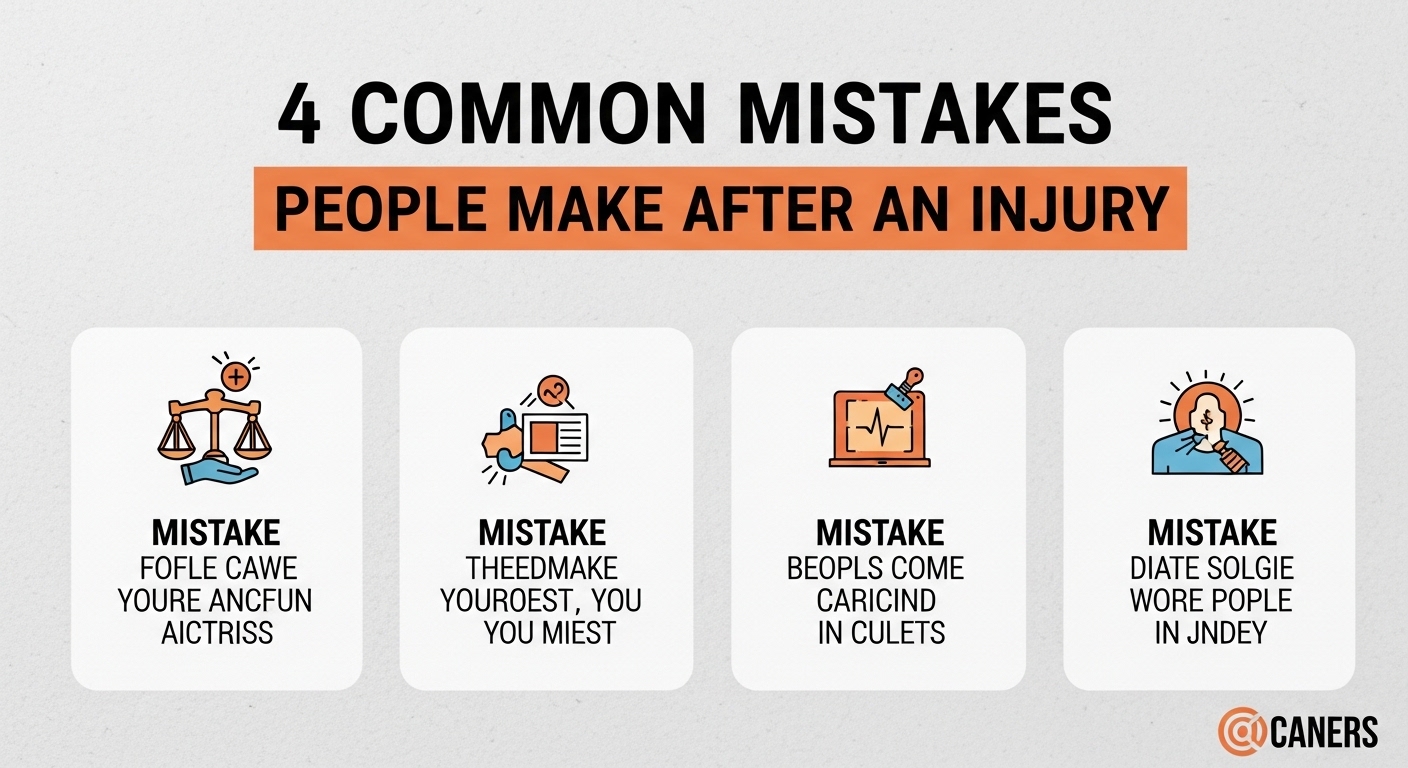
When you suffer an injury, whether from a car accident, slip and fall, or workplace incident, the immediate aftermath can feel overwhelming and confusing. During this vulnerable time, it’s easy to make decisions that seem reasonable in the moment but could significantly impact your health, financial recovery, and legal rights. Understanding the most common pitfalls that injured individuals encounter can help you navigate this challenging period more effectively. By recognizing these mistakes before they happen, you protect both your physical wellbeing and your ability to seek appropriate compensation for your losses.
Delaying or Refusing Medical Treatment
One of the most damaging mistakes you can make after sustaining an injury is postponing medical care or convincing yourself that treatment isn’t necessary. Many people underestimate the severity of their injuries, particularly when adrenaline masks pain immediately following an accident. You might feel relatively normal in the hours or even days after an incident, only to discover later that you sustained serious internal injuries, soft tissue damage, or other conditions that worsen without prompt intervention. What makes this especially problematic is that delaying medical attention creates gaps in your medical records that insurance companies and opposing parties can exploit to argue that your injuries weren’t severe or were caused by something other than the incident in question.
Failing to Document the Incident and Your Injuries
Another critical error involves inadequate documentation of both the accident itself and the resulting injuries. In the chaotic moments following an injury, you might not think about gathering evidence, but this information becomes invaluable later when establishing liability and damages. You should photograph the accident scene from multiple angles, capturing any hazardous conditions, property damage, or environmental factors that contributed to your injury. Taking pictures of your visible injuries immediately and throughout your recovery provides a visual timeline that words alone cannot convey.
Providing Recorded Statements Without Proper Guidance
Insurance adjusters often contact injured individuals shortly after an accident, presenting themselves as helpful and concerned about your wellbeing while requesting recorded statements about the incident. You might assume that cooperating fully and providing a detailed account will expedite your claim, but this approach frequently backfires in significant ways. Insurance companies are businesses focused on minimizing payouts, and adjusters are trained to ask questions designed to elicit responses that can be used to reduce or deny your claim. You may inadvertently downplay your injuries, accept partial blame for the accident, or provide inconsistent information that contradicts later medical findings when your full injury extent becomes apparent. Something as simple as saying you feel “fine” when asked about your condition can be interpreted as an admission that you weren’t seriously injured, even if you were simply being polite or hadn’t yet experienced delayed symptom onset. These recorded statements become permanent records that can be replayed and analyzed for any statement that might weaken your position. Before providing any formal statement to an insurance company, professionals who need to protect their legal rights often consult with personal Injury lawyers in Orange County CA to understand the potential implications of their words, as you cannot take back statements once they’re recorded and submitted into the claim file. What you say in those first conversations can haunt your case for months or years to come.
Accepting Quick Settlement Offers
Insurance companies frequently extend settlement offers soon after an injury occurs, sometimes before you’ve completed medical treatment or fully understand the long-term impact of your injuries. These early offers might seem appealing, especially if you’re facing mounting medical bills and lost wages from missed work. However, accepting a quick settlement almost always means receiving far less compensation than you deserve for your actual damages. Once you accept a settlement and sign a release, you typically forfeit your right to pursue additional compensation, even if you later discover that your injuries are more severe than initially diagnosed or that you require ongoing medical care.
Posting on Social Media About Your Injury or Activities
In today’s connected world, sharing life updates on social media platforms has become second nature, but posting about your injury or daily activities can severely damage your injury claim. Insurance companies and their legal teams routinely monitor the social media accounts of injured claimants, searching for any content that contradicts claimed injuries or limitations. A photograph of you smiling at a family gathering might be presented as evidence that you’re not suffering emotional distress, even though the picture captures a single moment during an otherwise difficult recovery period. Comments about physical activities, vacation plans, or returning to hobbies can be interpreted as proof that your injuries aren’t as debilitating as you claim, regardless of the actual context or how much pain you endured to participate briefly in these activities.
Conclusion
The period following an injury represents a critical time when your actions and decisions can profoundly affect both your physical recovery and your ability to obtain fair compensation for your losses. By avoiding these common mistakes, you protect your health through timely medical intervention, preserve your legal rights through proper documentation and careful communication, and position yourself to receive appropriate compensation that reflects the true extent of your damages. Remember that insurance companies have experienced professionals working to minimize payouts, so approach the claims process with caution and awareness of how easily mistakes can undermine even legitimate injury claims. Taking deliberate, informed steps from the moment an injury occurs helps ensure that you don’t inadvertently harm your own interests during an already challenging situation.

Putting a Smart Module Controller to work in demanding sites

Rihanna and Post Malone: Are They Connected in Music?

Post Malone and Kumar Birla: The Story Behind Them

Clint Eastwood Net Worth and Family Life: What You Didn’t Know

Best X Video Downloader Without Watermark — How to Get Clean HD Files

Inside Richard Hammond’s Life: How He Built His Net Worth
-
 Celebrity1 year ago
Clint Eastwood Net Worth and Family Life: What You Didn’t Know
-
 Technology6 months ago
Best X Video Downloader Without Watermark — How to Get Clean HD Files
-
 Celebrity12 months ago
Inside Richard Hammond’s Life: How He Built His Net Worth
-

 Celebrity1 year ago
Mark Normand net worth revealed: his career, lifestyle, and more