
Health
Enhancing Patient Care Through Mobile Digital Tools

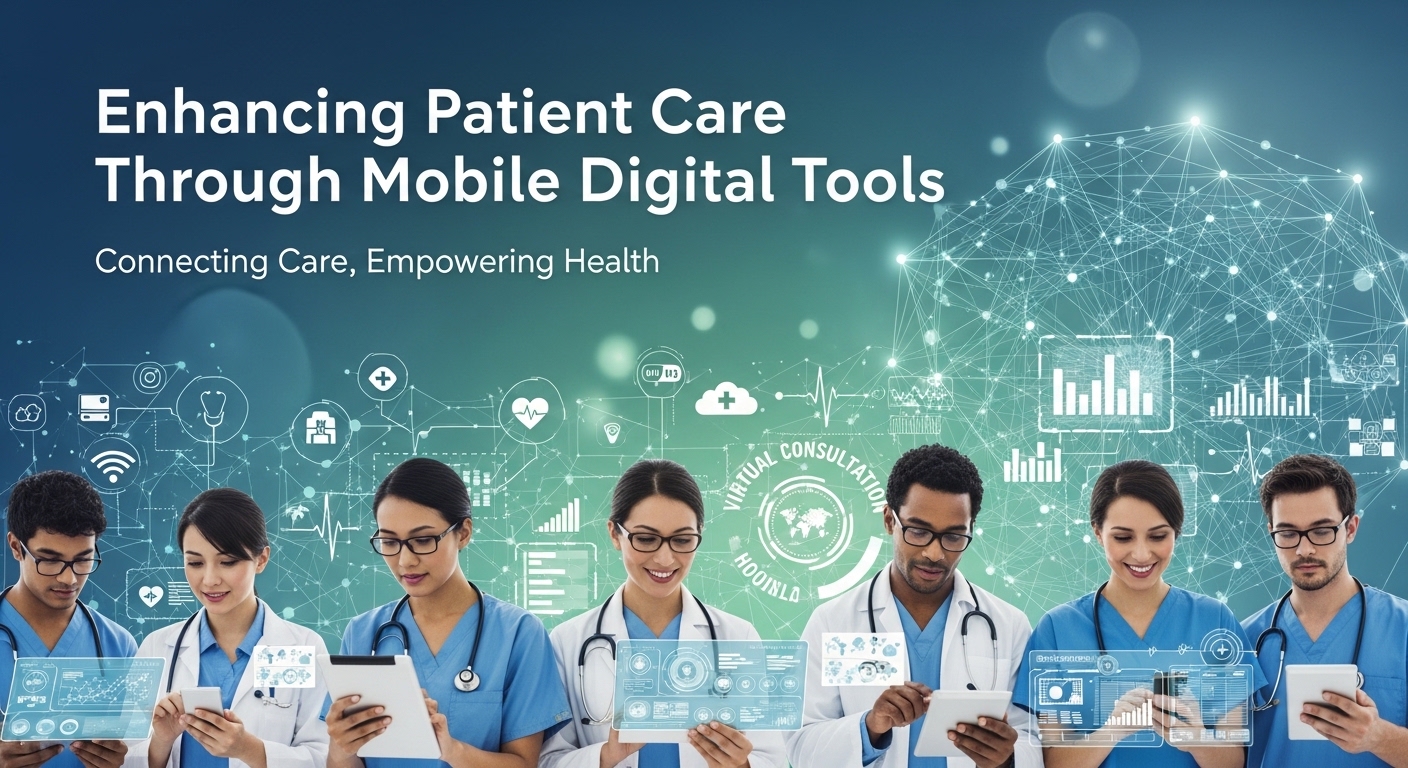
Mobile digital tools are changing how healthcare teams work every day. These tools help doctors and nurses provide faster and safer care. They also make it easier to manage patient information and improve outcomes.
Hospitals now use smart devices to connect people and systems in real time. This shift supports better teamwork and quicker decisions. It also helps reduce delays in care delivery.
As healthcare grows more complex, simple and portable tools become more important. They support clear communication and organized workflows. This article explains how these tools improve patient care in many ways.
Read on!
Understanding Mobile Digital Tools
Mobile digital tools include tablets, smartphones, and specialized medical apps. These tools allow staff to access data anywhere in a facility. They also support quick updates and smooth communication.
Many hospitals use these tools to replace paper records. Digital access saves time and reduces errors. It also keeps patient data safe and easy to track.
These tools are part of larger digital healthcare solutions. They connect systems and improve how care is delivered. This helps staff focus more on patients and less on paperwork.
The Role of Portable Devices in Hospitals
Portable devices play a key role in modern healthcare settings. They provide healthcare professionals with the necessary information right at their fingertips. This access helps streamline operations, leading to improved patient care.
Hospitals increasingly rely on tools like tablets to enhance workflows. The use of ipads for hospitals allows staff to retrieve patient information without stepping away from their duties. As a result, this efficiency leads to a more focused approach to patient care.
In addition, these portable devices aid in staff training and education. Healthcare providers can access online resources and training materials instantly. This promotes continual learning in a fast-paced environment.
Faster Access to Patient Records
Quick access to patient records is critical in healthcare. Mobile tools allow staff to view data in seconds. This helps them make faster decisions.
Electronic records can be updated in real time. This keeps all team members informed. It also reduces the risk of missing important details.
With better access, care becomes more organized and efficient. Staff can respond quickly to changes in patient needs. This leads to safer and more effective treatment.
Improved Communication Among Staff
Effective communication is vital in any healthcare setting. Mobile tools help teams share updates instantly. This reduces confusion and improves coordination.
Staff can send messages, alerts, and reports quickly. This keeps everyone on the same page. It also helps avoid delays in care.
Better communication leads to stronger teamwork. It allows staff to act quickly and confidently. This improves patient safety and overall quality of care.
Enhancing Patient Care Technology
Modern tools are improving patient care technology in many ways. They allow staff to track and manage patient needs more easily. This supports better treatment outcomes.
These tools also help reduce errors in care delivery. Automated systems provide reminders and alerts. This ensures that important tasks are not missed.
With the right tools, healthcare becomes more efficient. Staff can focus on providing high-quality care. Patients receive faster and more accurate treatment.
Supporting Mobile Health Applications
Mobile health applications help patients and staff stay connected. These apps provide useful tools for tracking health and treatment plans. They also support communication between visits.
Patients can use apps to check symptoms and manage medications. Staff can monitor progress and provide guidance. This creates a more active care process.
These tools make healthcare more accessible and convenient. They support better outcomes and patient satisfaction. They also help reduce unnecessary hospital visits.
Better Data Accuracy and Management
Accurate data is essential in healthcare. Mobile tools help reduce errors by allowing direct input at the point of care. This ensures that records stay correct and up to date.
Digital systems also organize data in a clear way. This makes it easy to find and review information. It also supports better planning and care delivery.
Good data management improves overall efficiency. Staff can trust the information they use. This leads to safer and more reliable care.
Real-Time Monitoring and Alerts
Real-time monitoring helps staff track patient conditions closely. Mobile tools send alerts when changes occur. This allows quick action when needed.
These systems are key for remote patient monitoring. They provide constant updates without needing manual checks. This saves time and improves accuracy.
Alerts help prevent serious issues before they grow. Staff can respond faster and more effectively. This leads to better patient outcomes and safety.
Data-Driven Decision Making
Healthcare decisions are stronger when based on data. Mobile tools provide easy access to important information. This supports better planning and treatment choices.
Staff can review trends and patient history quickly. This helps them choose the best care options. It also improves long-term patient management.
Using data leads to smarter and more effective care. It reduces guesswork and improves results. This benefits both patients and healthcare providers.
Boosting Patient Engagement Technology
Mobile tools also improve patient engagement technology. They help patients stay involved in their own care. This leads to better understanding and cooperation.
Patients can access their medical recordss and track progress. They can also communicate with healthcare providers easily. This builds trust and confidence.
Engaged patients are more likely to follow treatment plans. This improves health outcomes and satisfaction. It also supports long-term wellness.
Streamlining Clinical Workflows
Efficient workflows are important in busy healthcare settings. Mobile tools help reduce delays and simplify tasks. This allows staff to work more effectively.
Digital systems replace slow and manual processes. They speed up data entry and communication. This improves overall productivity.
Streamlined workflows benefit both staff and patients. Care becomes faster and more organized. This leads to better service and improved outcomes.
Transforming Healthcare with Mobile Digital Tools
Mobile digital tools are transforming healthcare in many ways. They improve communication, data access, and patient care. These changes help create a more efficient and reliable system.
As technology continues to grow, its role in healthcare will expand. Hospitals that adopt these tools can provide better care. They can also improve patient satisfaction and safety.
By using mobile tools wisely, healthcare teams can meet modern demands. They can deliver faster and more accurate care. This leads to stronger outcomes for every patient.
Did you find this article helpful? Visit more of our blogs.

Putting a Smart Module Controller to work in demanding sites

Rihanna and Post Malone: Are They Connected in Music?

Post Malone and Kumar Birla: The Story Behind Them

Clint Eastwood Net Worth and Family Life: What You Didn’t Know

Best X Video Downloader Without Watermark — How to Get Clean HD Files

Inside Richard Hammond’s Life: How He Built His Net Worth
-
 Celebrity1 year ago
Clint Eastwood Net Worth and Family Life: What You Didn’t Know
-
 Technology6 months ago
Best X Video Downloader Without Watermark — How to Get Clean HD Files
-
 Celebrity12 months ago
Inside Richard Hammond’s Life: How He Built His Net Worth
-

 Celebrity1 year ago
Mark Normand net worth revealed: his career, lifestyle, and more