
Life Style
Why Spiders Keep Coming Back to the Same Room in Your Home

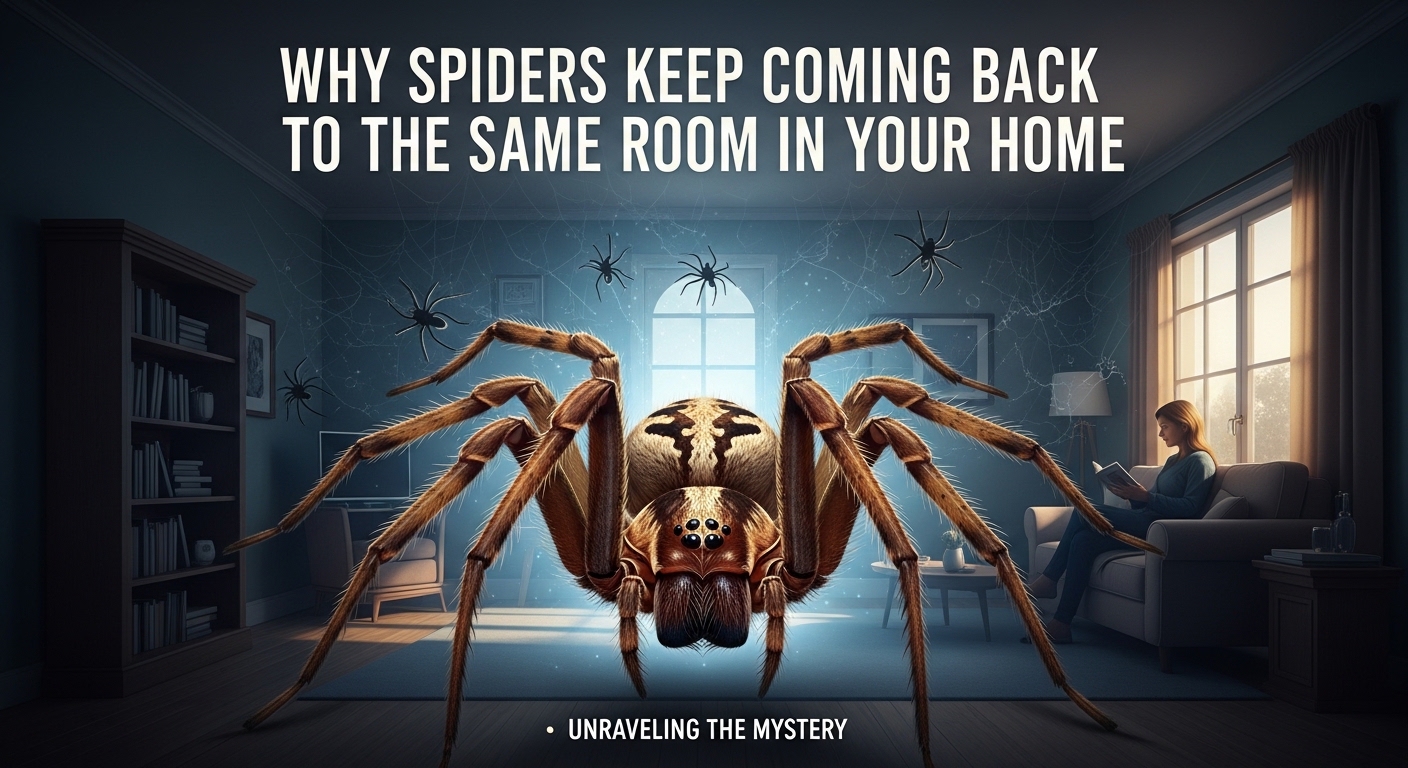
You know the scenario all too well. You spot a spider in one particular room, flick it away, clean up the web, and go about your day. Then, a few days later, it’s back, same room, same corner, same frustrating feeling. It can start to feel like that space is almost magnetically attracting spiders every time you turn your back.
The truth is, this isn’t a coincidence. Spiders don’t choose rooms randomly; they’re responding to specific conditions that make that space attractive. Understanding those conditions is the key to finally breaking the cycle.
Why Spiders Return to the Same Space
Once a spider, or several spiders, find a location that meets their needs, they tend to stay, or others will take their place. Spiders prefer areas that provide consistent shelter, low disturbance, stable airflow, and easy access to prey like insects. These conditions allow them to build webs, hunt, and rest without interruption. Web-building species will even rebuild in the same spot because the location already offers structural anchor points for webs and good chances of catching prey.
It’s not that the room itself is special. Spiders are responding to a combination of environmental cues within that space.
What’s Really Attracting Them – It’s Not the Room Itself
Spiders aren’t attached to rooms the way we are attached to our favourite chair or coffee mug. Instead, they’re following these conditions: they seek food, water, shelter, and comfortable microclimates. The factors that make a room appealing often include the presence of small flying or crawling insects, moisture or humidity, and light sources that attract bugs.
So if spiders keep coming back to one room, it usually means there’s something in that space that’s feeding and sheltering them. Without addressing those underlying factors, simply removing the spider won’t stop the next one from arriving.
The Role of Insects You Don’t Notice
One of the biggest reasons spiders show up repeatedly is that there may be a steady food source they’re exploiting. While spiders eat insects like flies, ants, moths, and other small bugs, these tiny creatures often go unnoticed by homeowners. They can slip in through cracks or vents, or they may breed in damp, dark corners.
Once insects are present, spiders start constructing webs in areas where prey is likely to cross their path. This creates the illusion that spiders are choosing the room itself when they’re really choosing a reliable food source. As long as insects are around, spiders will continue to return.
Why Ceiling and Roof Access Matters
It’s easy to think spiders are appearing from nowhere, but many of them are entering your home through spaces above your head. Roof gaps, vents, light fittings, and small cracks near ceilings can provide access from outside. These areas are often unsealed or overlooked during maintenance, allowing insects and the spiders that follow them to enter.
If spiders keep appearing high up or in areas near vents and rooflines, it’s worth considering what’s happening above the room itself. Sometimes the issue isn’t the room’s interior but how readily bugs and spiders can get inside, especially when there’s a direct link from outside to internal spaces. That’s also one reason some homeowners end up calling roofers when persistent spider problems coincide with noticeable gaps, roof damage, or poor sealing.
Why Cleaning the Room Doesn’t Solve It
People often think that cleaning will deter spiders, but this only removes surface symptoms. Cleaning might take away the visible web, but it doesn’t change the conditions that attracted the spider in the first place, like entry points, insect activity, or airflow patterns that support insect movement.
Even if no spiders are seen for a while, the structural and environmental factors remain, which means spiders (or others) will continue to move into that spot. You’ve removed the symptom, but not the cause.
Signs the Problem Is Ongoing
There are a few clear signs that the issue isn’t random and that the environment is supporting recurring spider activity. Webs reappearing quickly after removal, activity focused in the same general area, occasional sightings of insects, and sightings of spiders in similar corners or along ceiling edges all suggest that conditions are favourable for spiders. These patterns show that it’s not just one wandering spider; there’s something about the space that supports continued spider presence.
Where Spider Control Becomes Necessary
When you have recurring sightings of spiders in one room, despite cleaning and removing them, it may be time to consider professional Spider Control. Pest control strategies go beyond surface cleaning. They aim to reduce insect prey populations, treat entry points, and address hidden harborage areas that spiders use for shelter and hunting.
Professionals know what to look for: small gaps, damp areas, light sources that are attracting insects, and can target treatments that help break the cycle rather than just removing visible spiders. This approach is more effective because it targets the root causes of spider activity, not just the spiders themselves.
Practical Steps Homeowners Can Take
While professional spider management is often necessary for chronic issues, there are still practical actions you can take to reduce spider activity. Reducing outdoor and indoor lights at night can limit insects that are drawn to light and then attract spiders. Sealing visible gaps around windows, doors, and ceilings prevents easy access. Improving ventilation and reducing moisture in problem rooms can also help, as many insects and spiders prefer humid or stagnant air.
Regularly cleaning corners, edges, and under furniture reduces spider hiding spots and disrupts insect populations. Monitoring where spiders and webs keep returning provides clues about entry points or attractants you might not have noticed. These steps, when combined with targeted treatments, can make your home less inviting to spiders and reduce the chance of recurring activity.
Closing
If spiders keep returning to the same room, it’s usually not a random occurrence; it’s a pattern driven by underlying environmental conditions. Spiders are seeking shelter, food, and safe entry routes, and they return because those needs continue to be met in that location.
Understanding what’s attracting them is the key to stopping the cycle. Once you address the real conditions, food sources, entry points, airflow, and shelter, spiders are far less likely to keep showing up in that one room.
FAQs
1. Why do spiders keep appearing in the same corner?
Spiders build webs where they find the best chances of catching prey, and that often means the same exit or insect pathway.
2. Does killing the spider make more appear?
No, spiders don’t call others when killed. If more appear, it’s likely due to the same attractants like insects and shelter.
3. Can sealing gaps really help reduce spider sightings?
Yes. Small cracks and gaps around doors, windows, and vents are common entry points for spiders and insects alike.
4. Are all spiders dangerous?
Most common house spiders are harmless to humans, though some larger or venomous species should be managed with care.
5. Should I consider professional spider control?
Recurring spider problems often require targeted Spider Control to address underlying entry points, insect food sources, and hidden harborage.

Putting a Smart Module Controller to work in demanding sites

Rihanna and Post Malone: Are They Connected in Music?

Post Malone and Kumar Birla: The Story Behind Them

Clint Eastwood Net Worth and Family Life: What You Didn’t Know

Best X Video Downloader Without Watermark — How to Get Clean HD Files

Inside Richard Hammond’s Life: How He Built His Net Worth
-
 Celebrity1 year ago
Clint Eastwood Net Worth and Family Life: What You Didn’t Know
-
 Technology6 months ago
Best X Video Downloader Without Watermark — How to Get Clean HD Files
-
 Celebrity12 months ago
Inside Richard Hammond’s Life: How He Built His Net Worth
-

 Celebrity1 year ago
Mark Normand net worth revealed: his career, lifestyle, and more