
Life Style
How Fast Water Damage Spreads Through a Home

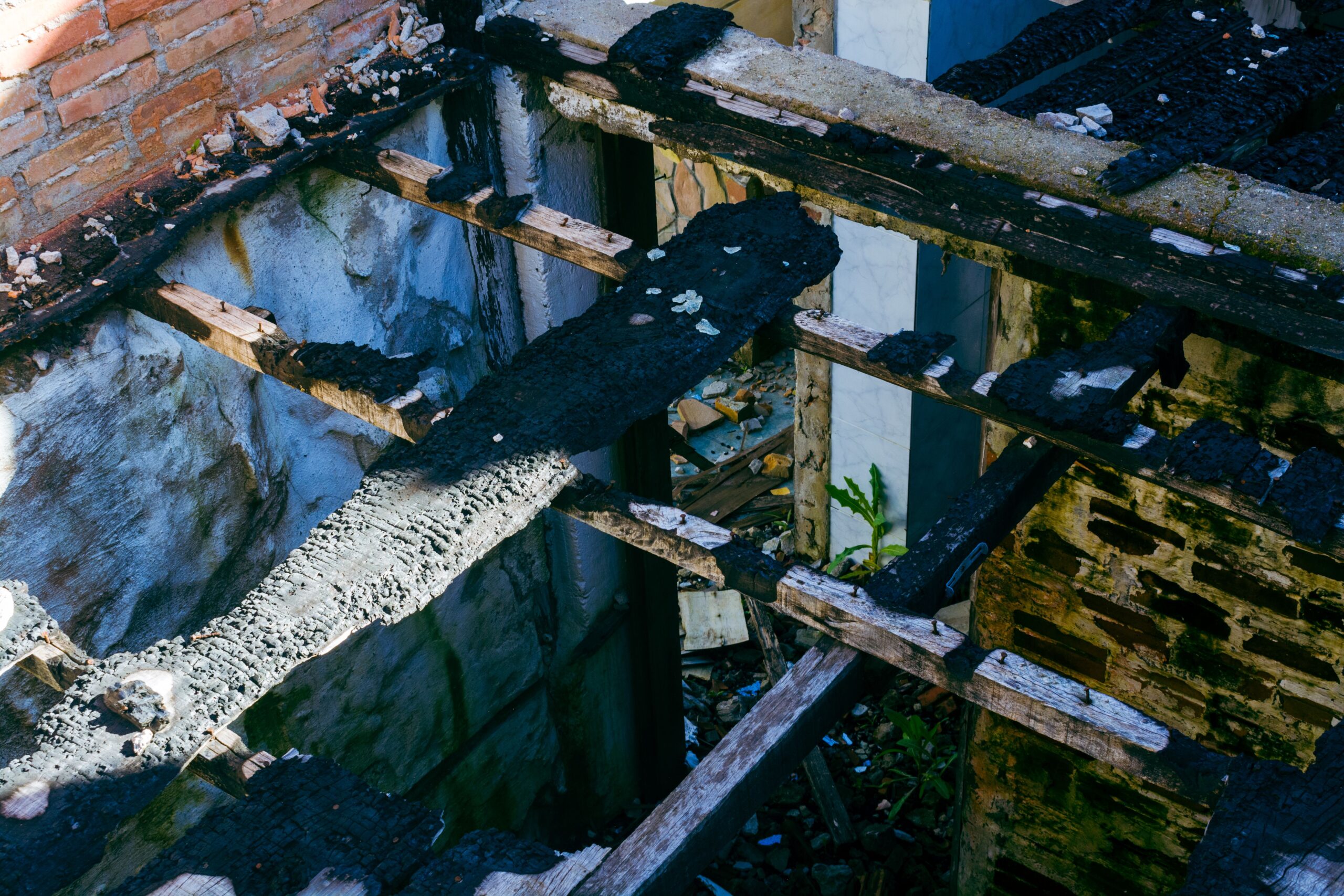
Water damage ranks among the most destructive forces a homeowner can encounter — and its speed almost always catches people off guard. What starts as a small leak or a burst pipe can spiral into a full-scale disaster within hours. Understanding how quickly water moves through a home is critical for minimizing damage and protecting your property, and acting fast isn’t just recommended. It’s absolutely essential.
The First Minutes: Immediate Saturation
Within just the first few minutes of a water intrusion event, water begins saturating everything it touches. Flooring materials like hardwood, laminate, and carpet absorb moisture almost instantly, while furniture legs, baseboards, and drywall at floor level start drawing water upward through capillary action. Even in this brief window, the foundation for serious structural damage is already being laid. The faster the water source is identified and stopped, the better the chances of keeping the destruction contained.
Within the First Hour: Rapid Spread to Walls and Subfloors
In the first hour alone, water travels far beyond its original point of entry. It seeps beneath flooring materials, penetrating the subfloor and creating the perfect conditions for mold growth to take hold. Drywall, which is highly porous by nature, begins absorbing moisture and losing structural integrity surprisingly quickly. Wallpaper may start to bubble and peel, paint can blister as moisture pushes through from behind, and in multi-story homes, water follows gravity — threatening ceilings and walls on lower levels as well.
The 24-Hour Mark: Mold and Structural Compromise Begin
By the 24-hour mark, water damage shifts from a containment problem to a genuine health hazard. Mold spores are naturally present in the environment, and they need only moisture and a surface to begin colonizing — which means growth can start on wet drywall, wood framing, insulation, and other organic materials within just 24 to 48 hours. Structural components like floor joists and wall studs begin to swell and warp as they absorb prolonged moisture. At this stage, professional remediation isn’t just helpful — it’s necessary. For homeowners working with a restoration company in Colorado Springs, reaching out during this critical window can mean the difference between targeted remediation and a full-scale reconstruction effort.
48 Hours and Beyond: Escalating Hazards
After the 48-hour mark, the damage profile of a water-affected home changes dramatically and not for the better. Metals throughout the home — including pipes, fasteners, and fixtures — may begin to corrode, while wood framing develops significant warping, cupping, and in severe cases, early-stage rot. Electrical systems that have been exposed to moisture become serious safety hazards, raising the risk of short circuits and even fire. The longer water damage goes unaddressed, the more expensive and complex the restoration process becomes, often turning what could have been a manageable repair into a major renovation project.
Hidden Moisture: The Danger You Cannot See
One of the most troubling aspects of water damage is the moisture that hides behind walls, beneath floors, and above ceilings — completely out of sight. This concealed water keeps causing damage long after visible water has been removed or appears to have dried up. Without professional moisture detection equipment, it’s easy for homeowners to believe the problem is resolved when significant moisture pockets still remain. These hidden areas become breeding grounds for mold and continue quietly weakening structural integrity over time. Thermal imaging cameras and moisture meters are essential tools that restoration professionals rely on to locate and address every affected area thoroughly.
Steps Homeowners Should Take Immediately
When water damage strikes, the priority is to act quickly and decisively — every minute counts. Shutting off the main water supply stops additional water from entering the home if a plumbing failure is to blame. Removing standing water with a wet vacuum or mop can reduce immediate saturation, though it rarely addresses moisture that has already penetrated building materials. Running fans and ventilating the area can help with surface drying, but professional-grade equipment is what’s truly needed for thorough remediation. Contacting a licensed water damage restoration company as soon as possible dramatically improves the outcome and keeps total repair costs from spiraling.
Conclusion
Water damage spreads with alarming speed, and every hour of delay compounds the destruction. From the initial saturation of flooring to the onset of mold and structural compromise, the timeline is genuinely unforgiving. Homeowners need to treat water damage as the emergency it is and seek professional attention without hesitation. Understanding how this progression unfolds empowers people to respond swiftly, minimize losses, and protect the long-term value and safety of their homes. When in doubt, acting sooner rather than later is always the right call.

How Panama Properties Is Changing the Way Foreigners Buy Real Estate in Panama

Rob Corddry and Michaela Watkins: The Story Behind Them

Jackie Chan and Adele: The Connection You May Have Missed

Clint Eastwood Net Worth and Family Life: What You Didn’t Know

Best X Video Downloader Without Watermark — How to Get Clean HD Files

Inside Richard Hammond’s Life: How He Built His Net Worth
-
 Celebrity1 year ago
Clint Eastwood Net Worth and Family Life: What You Didn’t Know
-
 Technology5 months ago
Best X Video Downloader Without Watermark — How to Get Clean HD Files
-
 Celebrity12 months ago
Inside Richard Hammond’s Life: How He Built His Net Worth
-

 Celebrity12 months ago
Mark Normand net worth revealed: his career, lifestyle, and more