
Life Style
The Growing Role of Digital Innovation in Patient Care

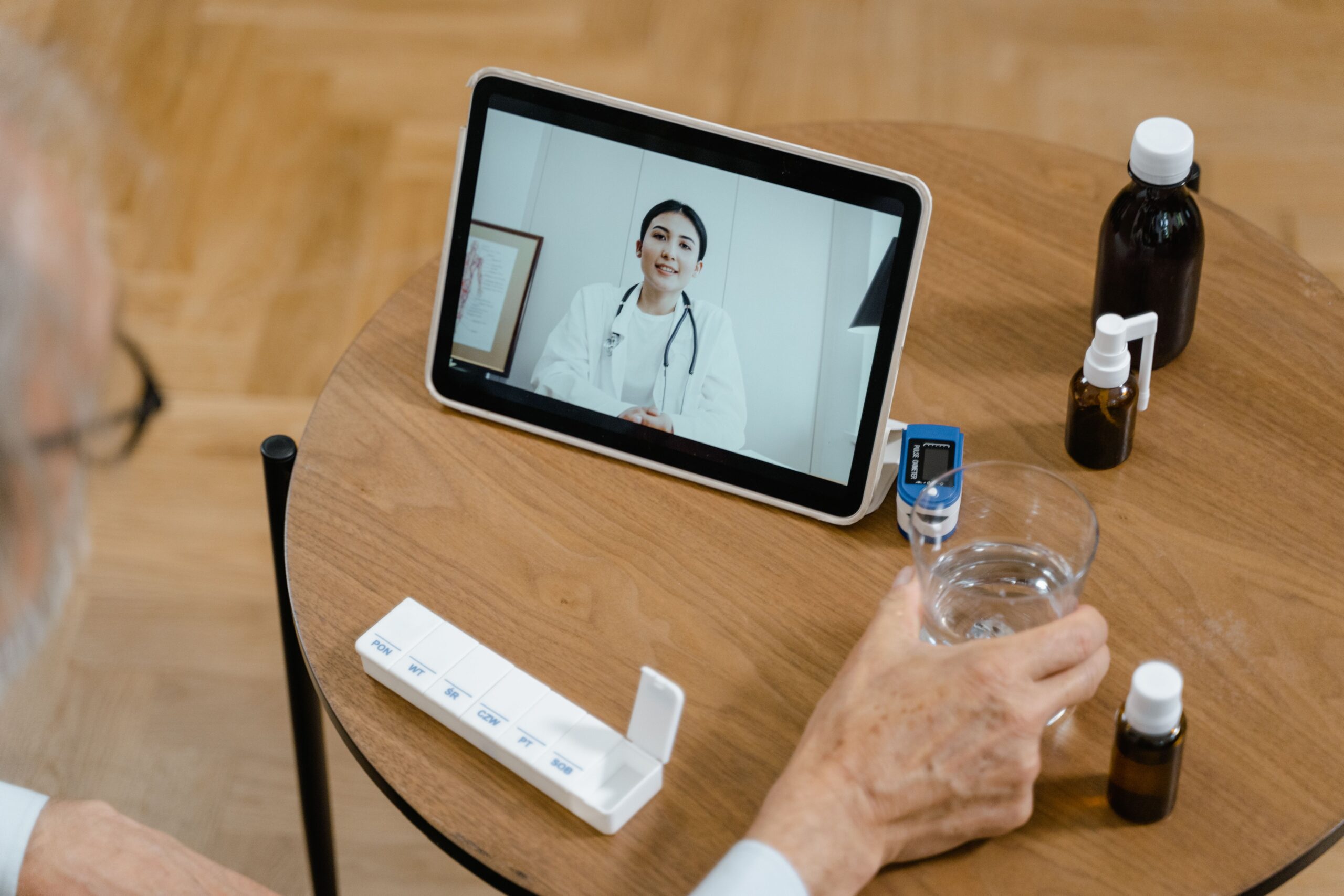
Healthcare has experienced remarkable technological advancement over the past several decades. What was once a largely paper-based industry has evolved into a highly connected environment where digital tools support nearly every aspect of patient care. From scheduling appointments and maintaining medical records to monitoring chronic conditions and assisting clinical decision-making, technology is helping healthcare providers deliver services more efficiently and effectively.
As healthcare organizations face increasing demands for quality care, improved patient outcomes, and greater operational efficiency, digital innovation continues to play a critical role in addressing these challenges. The integration of advanced technologies is transforming the patient experience while providing healthcare professionals with new ways to enhance treatment, communication, and care coordination.
Electronic Health Records Improve Accessibility
One of the most significant developments in modern healthcare has been the widespread adoption of electronic health records (EHRs). Digital records have largely replaced traditional paper charts, making patient information more accessible to authorized healthcare providers.
Electronic records allow physicians, nurses, specialists, and other care team members to quickly review medical histories, medications, allergies, test results, and treatment plans. This accessibility helps reduce administrative delays and supports more informed clinical decisions. When healthcare providers have access to accurate and up-to-date information, they can often diagnose conditions more efficiently and coordinate care more effectively.
Patients also benefit from greater transparency. Many healthcare systems now offer online portals that allow individuals to view test results, request prescription refills, review visit summaries, and communicate directly with their providers. These tools encourage greater engagement and help patients take a more active role in managing their health.
Telehealth Expands Access to Care
Telehealth has become an increasingly important component of healthcare delivery. By allowing patients and providers to connect remotely through video conferencing and other digital communication tools, telehealth helps improve access to medical services for individuals who may face transportation, mobility, or geographic barriers.
Virtual appointments can be particularly valuable for routine follow-up visits, medication management, mental health counseling, and certain chronic disease consultations. Patients often appreciate the convenience of receiving care without the need to travel or spend time in waiting rooms.
Healthcare organizations also benefit from telehealth’s ability to improve scheduling flexibility and extend services to underserved communities. In many situations, virtual visits can complement traditional in-person care, creating a more accessible and patient-centered healthcare experience.
As technology infrastructure continues to improve, telehealth is expected to remain an important tool for expanding healthcare access and improving patient satisfaction.
Data Analytics Supports Better Clinical Decisions
Digital innovation has significantly expanded the healthcare industry’s ability to collect, analyze, and utilize information. Healthcare organizations now rely on sophisticated data analytics tools to identify trends, monitor outcomes, and improve decision-making processes.
Large volumes of data generated through electronic records, diagnostic equipment, and patient monitoring systems can provide valuable insights into patient populations and treatment effectiveness. By analyzing this information, healthcare providers can identify opportunities for quality improvement and develop more personalized approaches to care.
Data analytics also supports operational efficiency. Hospitals and healthcare systems can use data to optimize staffing, manage resources, and improve patient flow. In some organizations, analytics solutions work alongside modern physician advisor services to help evaluate clinical documentation, utilization management, and overall care coordination efforts.
The ability to transform raw information into actionable insights is becoming an increasingly important aspect of delivering high-quality patient care in today’s healthcare environment.
Remote Monitoring Enhances Ongoing Care
Advances in connected devices have introduced new opportunities for remote patient monitoring. Wearable technology, smart medical devices, and home monitoring systems allow healthcare providers to track important health indicators outside traditional clinical settings.
Patients with chronic conditions such as diabetes, hypertension, or heart disease can benefit from continuous monitoring that provides healthcare teams with real-time information. These technologies help identify potential issues earlier, allowing providers to intervene before problems become more serious.
Remote monitoring also encourages patient engagement by helping individuals better understand their own health trends. Many devices provide users with easy-to-read reports and reminders that support healthy behaviors and treatment adherence.
As these technologies become more sophisticated and widely available, healthcare providers can maintain stronger connections with patients between office visits while supporting more proactive approaches to care management.
Artificial Intelligence and Automation Transform Healthcare Operations
Artificial intelligence and automation are increasingly influencing how healthcare organizations deliver services and manage operations. While these technologies do not replace healthcare professionals, they can assist with time-consuming tasks and support more informed decision-making.
AI-powered tools can help analyze medical images, identify patterns within large datasets, and assist clinicians in evaluating treatment options. Automated systems can streamline appointment scheduling, billing processes, and administrative workflows, allowing staff members to focus more attention on patient care.
In addition, predictive analytics tools can help healthcare organizations identify patients who may be at higher risk for complications or hospital readmissions. This information enables care teams to implement targeted interventions that improve outcomes and reduce unnecessary costs.
As artificial intelligence continues to evolve, its role in supporting healthcare delivery is expected to expand, offering new opportunities for efficiency, accuracy, and patient engagement.
Conclusion
Digital innovation is reshaping patient care in meaningful ways. Electronic health records, telehealth, data analytics, remote monitoring, and artificial intelligence are helping healthcare providers deliver more efficient, coordinated, and personalized services. These advancements support better communication, improved access to care, and more informed decision-making across the healthcare continuum.
As technology continues to advance, healthcare organizations will likely discover even more opportunities to enhance patient experiences and outcomes. By embracing digital innovation thoughtfully and strategically, the healthcare industry can continue moving toward a future that benefits both providers and the patients they serve.
Also Read: Do the Driving Modes in Cadillac LYRIQ Offer Different Ranges or Battery Usages?

How Panama Properties Is Changing the Way Foreigners Buy Real Estate in Panama

Rob Corddry and Michaela Watkins: The Story Behind Them

Jackie Chan and Adele: The Connection You May Have Missed

Clint Eastwood Net Worth and Family Life: What You Didn’t Know

Best X Video Downloader Without Watermark — How to Get Clean HD Files

Inside Richard Hammond’s Life: How He Built His Net Worth
-
 Celebrity1 year ago
Clint Eastwood Net Worth and Family Life: What You Didn’t Know
-
 Technology5 months ago
Best X Video Downloader Without Watermark — How to Get Clean HD Files
-
 Celebrity12 months ago
Inside Richard Hammond’s Life: How He Built His Net Worth
-

 Celebrity12 months ago
Mark Normand net worth revealed: his career, lifestyle, and more