
Life Style
The Best Metals to Use for Trophies and Awards and Why…

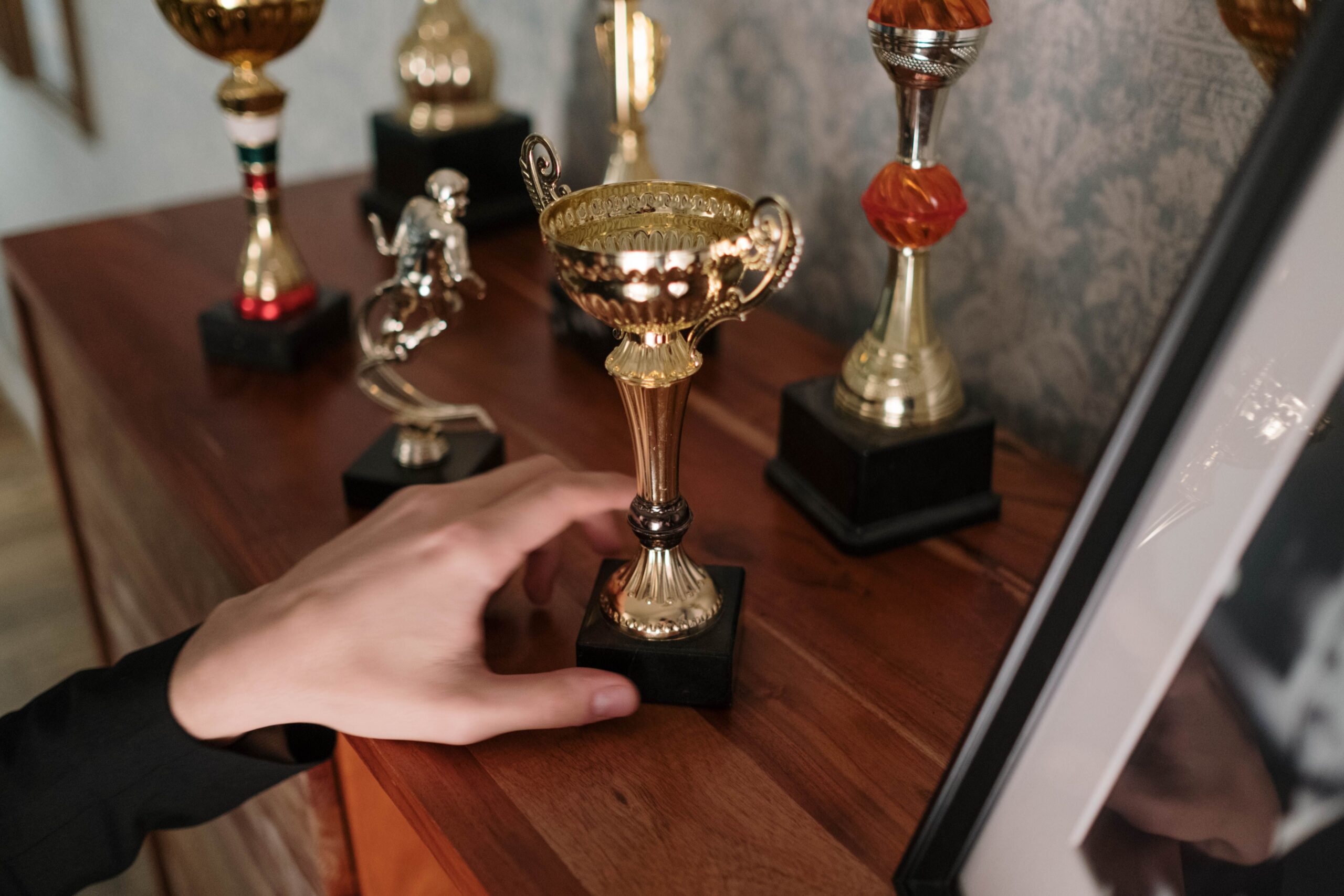
Trophies and awards are more than just decorative items. They represent achievement, recognition, and lasting memories. Whether awarded at a sporting event, corporate ceremony, or academic recognition, the materials used to create these items play a significant role in their meaning and durability.
Metals have long been the preferred choice for crafting awards because of their strength, versatility, and ability to convey prestige. However, not all metals are created equal. Each type offers unique characteristics that influence appearance, weight, cost, and longevity. Understanding the best metals used for trophies and awards can help organizations choose designs that truly reflect the importance of the accomplishment being celebrated.
Gold and Gold-Plated Materials for Prestige
Gold is often seen as the ultimate symbol of success, making it one of the most desirable metals for awards. Its rich color and association with excellence make it a preferred choice for high-level recognition. However, solid gold is quite expensive, which is why many awards use gold-plated materials instead.
Gold plating involves applying a thin layer of gold over a base metal such as brass or zinc. This approach provides the luxurious appearance of gold while keeping costs manageable. Gold-plated trophies are commonly used in competitions that emphasize top-tier achievement, such as first-place awards or championship recognitions.
In addition to its visual appeal, gold offers excellent resistance to tarnishing. This means that awards made with or coated in gold maintain their shine and elegance over time. For organizations looking to create something memorable and prestigious, gold or gold-plated metals are often the top choice.
Silver for Classic Elegance
Silver is another popular option for awards, known for its sleek and timeless appearance. It offers a clean, polished look that works well across a variety of events, from corporate recognition ceremonies to sporting competitions.
Like gold, pure silver can be costly, so many awards use silver-plated materials instead. These provide the same visual appeal at a more accessible price point. Silver is often associated with second-place achievements, but its versatility allows it to be used for many types of recognition.
One key advantage of silver is its ability to complement different design styles. Whether paired with engravings, color accents, or unique shapes, silver enhances the overall aesthetic of an award. With proper care, silver trophies can maintain their shine and continue to look impressive for years.
Bronze and Its Durable Appeal
Bronze is a classic metal that has been used for awards for generations. With its warm, earthy tone, bronze conveys a sense of tradition and durability. It is commonly associated with third-place recognition, but it is also widely used in custom designs and commemorative pieces.
One of the main benefits of bronze is its strength. It is highly durable and resistant to wear, making it ideal for awards that are meant to last. Bronze also develops a natural patina over time, which can add character and depth to the piece rather than detract from it.
In addition to its aesthetic qualities, bronze is more affordable than gold or silver. This makes it a practical choice for organizations that need to produce awards in larger quantities without sacrificing quality. Its balance of cost, durability, and visual appeal makes it a reliable option for many types of events.
Zinc Alloys for Customization and Detail
Zinc alloys are widely used in modern award manufacturing due to their flexibility and cost efficiency. These metals are particularly well-suited for intricate designs, allowing for detailed shapes and textures that may be difficult to achieve with other materials.
One of the most common uses of zinc alloys is in the production of custom die cast medals. This process involves pouring molten metal into molds to create precise and consistent designs. It allows for a high level of customization, including unique shapes, logos, and text.
Zinc alloys are also lightweight and durable, making them easy to handle and distribute while still maintaining a strong structure. They can be finished with a variety of coatings, including gold, silver, or bronze plating, which enhances their appearance and versatility. For organizations looking to create personalized awards with detailed features, zinc alloys are an excellent choice.
Stainless Steel for Modern Designs
Stainless steel has gained popularity in recent years as a material for contemporary trophies and awards. Its sleek, polished finish offers a modern look that stands out from traditional designs. This makes it especially appealing for corporate events, design competitions, and technology-related awards.
One of the key benefits of stainless steel is its resistance to rust and corrosion. This ensures that awards made from this material remain in excellent condition over time with minimal maintenance. Its durability also makes it suitable for long-term display.
In addition to its practical advantages, stainless steel pairs well with other materials such as glass or acrylic. This allows designers to create visually striking awards that combine different textures and styles. For those seeking a modern and innovative aesthetic, stainless steel provides a strong and reliable option.
Conclusion
Choosing the right metal for trophies and awards is about more than appearance. It involves balancing factors such as durability, cost, symbolism, and design flexibility. From the prestige of gold to the versatility of zinc alloys and the durability of bronze, each metal offers unique benefits that contribute to the overall impact of an award.
By selecting the appropriate material, organizations can create meaningful and lasting recognition pieces that truly honor achievement. Whether simple or highly customized, the right metal helps turn an award into a lasting symbol of success and accomplishment.

3 Alternative Methods to Conceive a Child That are Just as Safe as Natural Conception

How to Find Balance in a Stressful Life

Glabridin and Bakuchiol: Fixing the Anti-Aging Formulation Trap

Clint Eastwood Net Worth and Family Life: What You Didn’t Know

Best X Video Downloader Without Watermark — How to Get Clean HD Files

Inside Richard Hammond’s Life: How He Built His Net Worth
-
 Celebrity12 months ago
Clint Eastwood Net Worth and Family Life: What You Didn’t Know
-
 Technology5 months ago
Best X Video Downloader Without Watermark — How to Get Clean HD Files
-
 Celebrity11 months ago
Inside Richard Hammond’s Life: How He Built His Net Worth
-

 Celebrity11 months ago
Mark Normand net worth revealed: his career, lifestyle, and more