
Life Style
How to Find Balance in a Stressful Life

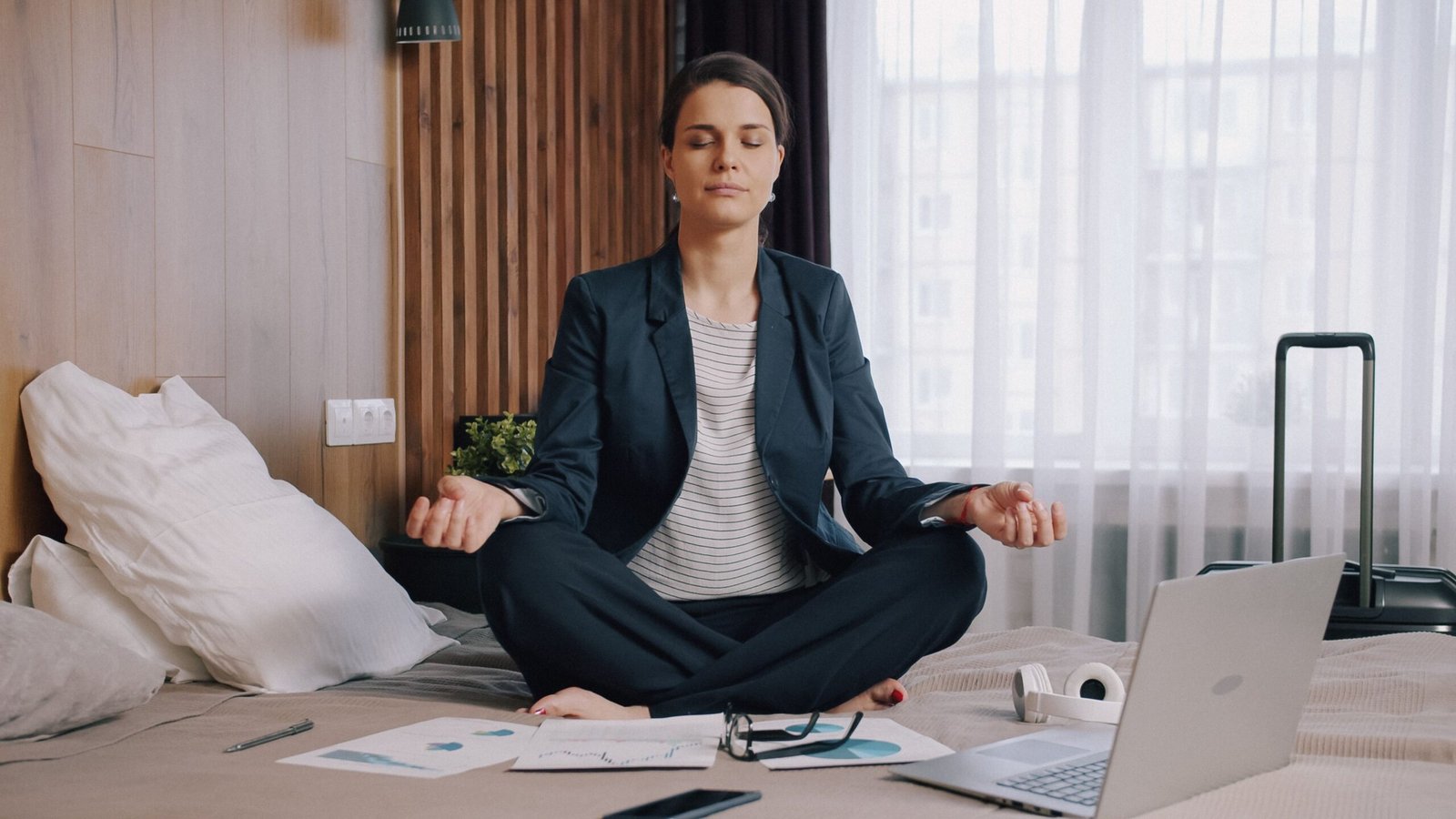
Modern life moves fast, and for many people, stress has become an almost constant companion. Between work deadlines, family responsibilities, financial pressures, and the endless scroll of digital notifications, it can feel nearly impossible to slow down. Finding balance is not about eliminating stress entirely, because some stress is a natural part of being alive. It is really about developing the habits, mindset, and practices that allow you to manage pressure without letting it take over your well-being.
Recognize What Is Draining Your Energy
Before you can restore balance, you need to understand where your energy is actually going. Take an honest look at your daily routine and identify the activities, relationships, or commitments that consistently leave you feeling depleted. This is not about blame or frustration; it is simply about awareness. Keeping a journal for even just one week can reveal surprisingly clear patterns, like the meetings that quietly sap your motivation or the late-night screen time that chips away at your sleep quality. Once you spot these energy drains, you can start making small but genuinely meaningful adjustments that add up over time.
Set Boundaries That Actually Stick
One of the most powerful tools for reducing stress is learning to set boundaries, and yet so many people struggle with it. Saying no can feel uncomfortable, even selfish, but in reality, boundaries protect your time and energy so you can show up more fully in the areas that matter most to you. Start small by declining one unnecessary commitment this week, or by setting a firm end time for your workday and actually honoring it. Consistency is what makes boundaries effective. Over time, that kind of structure naturally reduces stress and keeps burnout from creeping in.
Prioritize Rest and Recovery
Rest is not a reward you earn after being productive enough. It is a biological necessity that your body and mind require to function well. Quality sleep, short breaks throughout the day, and genuine downtime all play a direct role in your ability to handle stress without falling apart. Many wellness traditions have long understood the power of deep, therapeutic recovery, including approaches like a relaxing Panchakarma treatment, which focuses on restoring the body’s natural equilibrium through holistic care. Incorporating deliberate rest into your schedule, rather than waiting until you are completely running on empty, is one of the most impactful changes you can make.
Move Your Body With Intention
Physical activity is one of the most well-researched methods for managing stress, and it does not have to mean grueling workouts or early-morning gym sessions. Walking, yoga, swimming, dancing, or even gardening can activate the body’s natural stress-relief systems by releasing endorphins and lowering cortisol levels. The real key here is consistency over intensity. Aim for movement you genuinely enjoy, because you are far more likely to stick with it long-term when it does not feel like a chore. Even twenty to thirty minutes of moderate movement each day can meaningfully shift your mood, your energy, and your overall sense of balance.
Cultivate Mindfulness in Everyday Moments
Mindfulness does not require a meditation cushion or a silent retreat, though those can certainly help. At its core, it simply means bringing your full attention to what is happening right now, rather than replaying the past or anxiously rehearsing the future. You can practice this during completely ordinary tasks like cooking, washing dishes, or taking a short walk outside in the fresh air. Slowing down and noticing the details around you activates the parasympathetic nervous system, which directly counteracts the body’s stress response.
Build a Support System You Can Rely On
Humans are social creatures, and isolation tends to amplify stress rather than relieve it. Building and maintaining genuine connections with people who support you is a critical part of living a balanced life. That might mean nurturing existing friendships, leaning on family, joining a community group, or working with a therapist or coach who can offer perspective. Honest communication and a willingness to be vulnerable strengthen relationships and create the kind of support network that helps you navigate life’s inevitable challenges. Never underestimate how much a trusted conversation can shift your entire outlook on a situation that felt impossibly heavy just moments before.
Conclusion
Finding balance in a stressful life is an ongoing practice, not a destination you arrive at once and stay forever. It requires self-awareness, intentional choices, and a real willingness to prioritize your well-being even when life is pulling you in a dozen directions at once. By making small, consistent changes across the areas of rest, movement, mindfulness, boundaries, and connection, you can build a life that feels more grounded and genuinely sustainable. Start with one shift today, and let that momentum carry you forward.

3 Alternative Methods to Conceive a Child That are Just as Safe as Natural Conception

How to Find Balance in a Stressful Life

Glabridin and Bakuchiol: Fixing the Anti-Aging Formulation Trap

Clint Eastwood Net Worth and Family Life: What You Didn’t Know

Best X Video Downloader Without Watermark — How to Get Clean HD Files

Inside Richard Hammond’s Life: How He Built His Net Worth
-
 Celebrity12 months ago
Clint Eastwood Net Worth and Family Life: What You Didn’t Know
-
 Technology5 months ago
Best X Video Downloader Without Watermark — How to Get Clean HD Files
-
 Celebrity11 months ago
Inside Richard Hammond’s Life: How He Built His Net Worth
-

 Celebrity11 months ago
Mark Normand net worth revealed: his career, lifestyle, and more