
Blog
A Beginner’s Guide to Choosing the Right Traffic Counter and Retail Analytics Tools

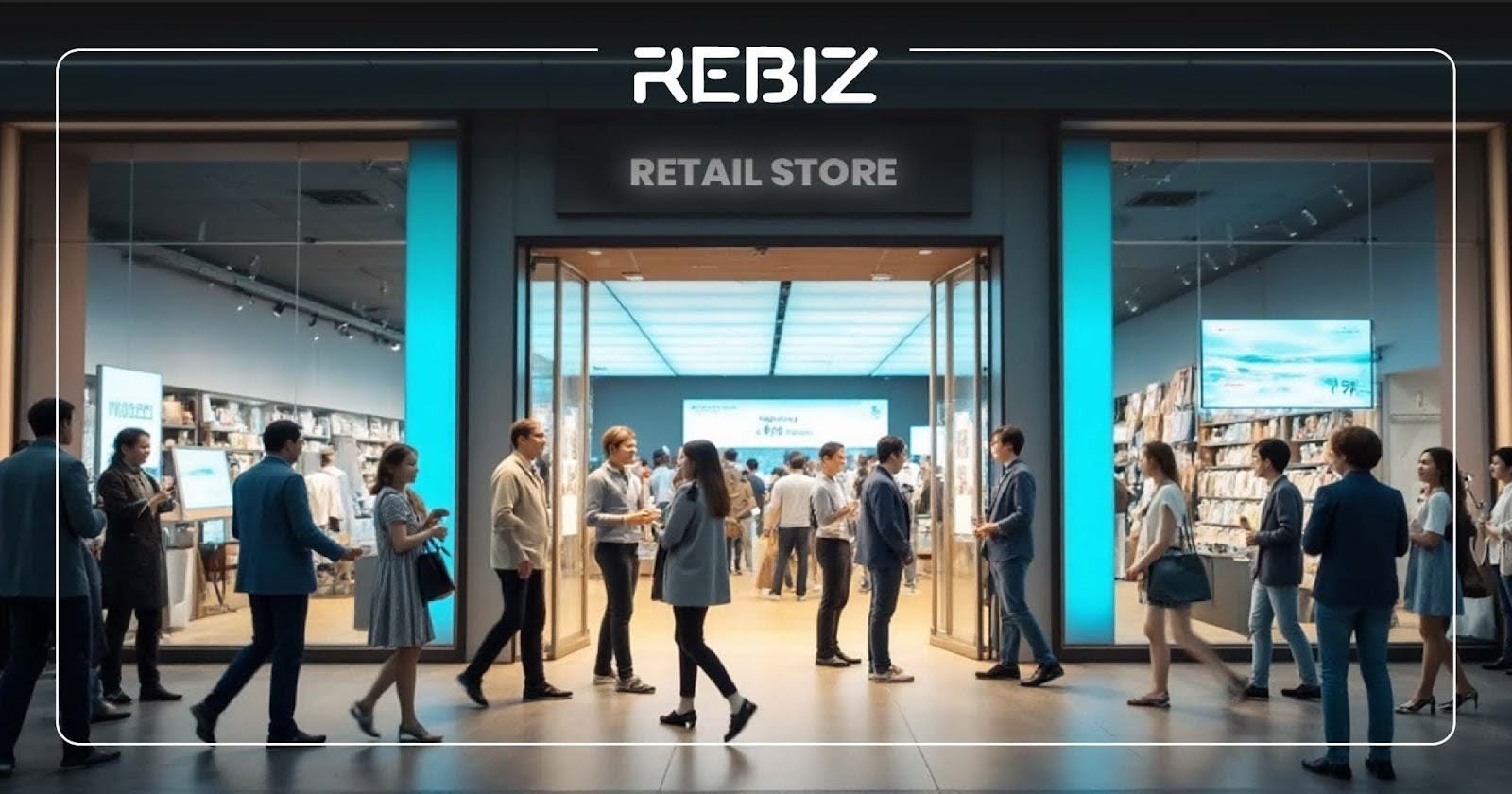
Understanding customer behavior inside a store has become just as important as driving traffic from outside. Whether you run a boutique, supermarket, or multi-store chain, knowing who walks in, when they visit, and how they move through your store directly influences sales performance. This is where a traffic counter and reliable analytics software for retail come into play.
If you’re new to retail analytics, this beginner-friendly guide will help you choose the right tools to optimize your store layout, staff planning, and overall business outcomes.
1. What Is a Traffic Counter and Why You Need One
A traffic counter is a device or system that measures the number of people entering or moving around your store. These insights help you understand:
- Peak shopping hours
- Conversion rates (visitors vs. buyers)
- Store layout effectiveness
- Staff allocation needs
Without accurate footfall data, you’re simply guessing. A traffic counter eliminates guesswork and gives you the visibility needed to make smarter, data-backed decisions.
2. Types of Traffic Counters to Consider
Different stores need different solutions. Here are the major types of traffic counters and their best-fit use cases:
a. Infrared Beam Counters
- Simple and affordable
- Best for single-door stores
- Limited accuracy for high-traffic environments
b. Overhead Video Counters
- Uses cameras and AI
- High accuracy (90%+)
- Ideal for malls, supermarkets, larger stores
- Can differentiate between adults and children
c. Thermal Sensors
- Track heat signatures
- Useful in low-light or busy areas
- Accurate but comparatively expensive
d. Wi-Fi or Bluetooth Counters
- Tracks devices instead of people
- Helps understand dwell time and repeat visitors
- Best for multi-store chains or malls
Before choosing a traffic counter, factor in your store size, entry design, lighting conditions, and budget.
3. What Makes Good Analytics Software for Retail
While a traffic counter gives you raw data, analytics software for retail turns that data into actionable insights. Look for software that offers:
a. Real-Time Dashboard
Instant visibility on store performance helps you adjust staffing and checkout counters on busy days.
b. Heatmaps and Customer Journey Tracking
See which areas customers visit most, where they stop, and what they skip—crucial for optimizing product placement.
c. Conversion Analytics
Understand how many customers entered, how many purchased, and what influenced conversions.
d. Multi-Store Reporting
For chain businesses, centralized reporting lets you compare performance across different outlets.
e. Integration With POS Systems
Combining sales with footfall gives you accurate conversion metrics and revenue attribution.
f. Automated Reports
Save time with scheduled insights delivered straight to your email.
The right analytics software for retail should simplify your decision-making, not overwhelm you with complex numbers.
4. How to Choose the Best Traffic Counter for Your Store
Here’s a simple approach for beginners:
Step 1: Define Your Goal
Are you trying to track footfall, understand product engagement, or improve layout efficiency?
Step 2: Decide Based on Store Format
- Small stores → Infrared or basic overhead counters
- Medium/large stores → AI video or thermal sensors
- Multi-store chains → Video counters + cloud dashboards
Step 3: Look for Scalability
Choose a system that grows with your business. Upgrading hardware every year is costly.
Step 4: Prioritize Accuracy
Anything below 80–85% accuracy will lead to misleading decisions.
Step 5: Consider Total Cost of Ownership
Don’t just compare device prices; include software, maintenance, and integration costs.
5. How Traffic Counter + Analytics Software for Retail Work Together
Using both tools as a combined system gives you:
✔ Better Conversion Insights
You know how many walked in vs. how many purchased.
✔ Improved Store Layout
Heatmaps show movement patterns, allowing smarter product positioning.
✔ Enhanced Staffing Decisions
Plan staff shifts based on actual customer flow.
✔ Inventory Optimization
Identify fast-moving areas and ensure popular products remain in stock.
✔ Marketing ROI Measurement
You can track whether promotions increase footfall and time spent in-store.
Together, a traffic counter and analytics software for retail turn data into operational intelligence.
6. Common Mistakes to Avoid When Choosing Retail Analytics Tools
- Choosing low-cost counters with poor accuracy
- Ignoring integration with POS or CRM systems
- Overcomplicating your setup with unnecessary features
- Neglecting data privacy and customer consent requirements
- Selecting tools without proper technical support
Avoiding these mistakes ensures smooth implementation and reliable insights.
Conclusion
Choosing the right traffic counter and analytics software for retail is one of the smartest investments a retailer can make. These tools not only reveal what’s happening inside your store but also help you make strategic decisions that drive sales, improve customer experience, and streamline operations.
For beginners, start with your goals, evaluate your store layout, and choose scalable tools that provide accurate data and easy-to-understand insights. With the right setup, even a small retail store can operate like a data-driven powerhouse.
FAQs
1. What is the most accurate type of traffic counter?
AI-powered overhead video counters generally offer the highest accuracy, often above 90%.
2. Do small retail shops need analytics software for retail?
Yes. Even small shops benefit from understanding footfall trends, customer movement, and conversion rates.
3. Can traffic counters track returning customers?
Yes, Wi-Fi/Bluetooth counters and some AI-based systems can identify repeat visits (anonymously).
4. How expensive is retail analytics software?
Prices vary, but most solutions offer monthly subscriptions based on store size and feature sets.
5. Do traffic counters store personal information?
No. Modern systems anonymize all data and comply with privacy regulations.

Katie Holmes and Tom Cruise: The Story Behind Their Bond

Clint Eastwood and Justin Bieber: The Story Behind Fame

Rodolphe Saade and Greg Hayes: Two Business Titans

Clint Eastwood Net Worth and Family Life: What You Didn’t Know

Best X Video Downloader Without Watermark — How to Get Clean HD Files

Inside Richard Hammond’s Life: How He Built His Net Worth
-
 Celebrity12 months ago
Clint Eastwood Net Worth and Family Life: What You Didn’t Know
-
 Technology5 months ago
Best X Video Downloader Without Watermark — How to Get Clean HD Files
-
 Celebrity11 months ago
Inside Richard Hammond’s Life: How He Built His Net Worth
-

 Celebrity11 months ago
Mark Normand net worth revealed: his career, lifestyle, and more