
Life Style
Declutter Your Workspace with Smarter Tool Storage

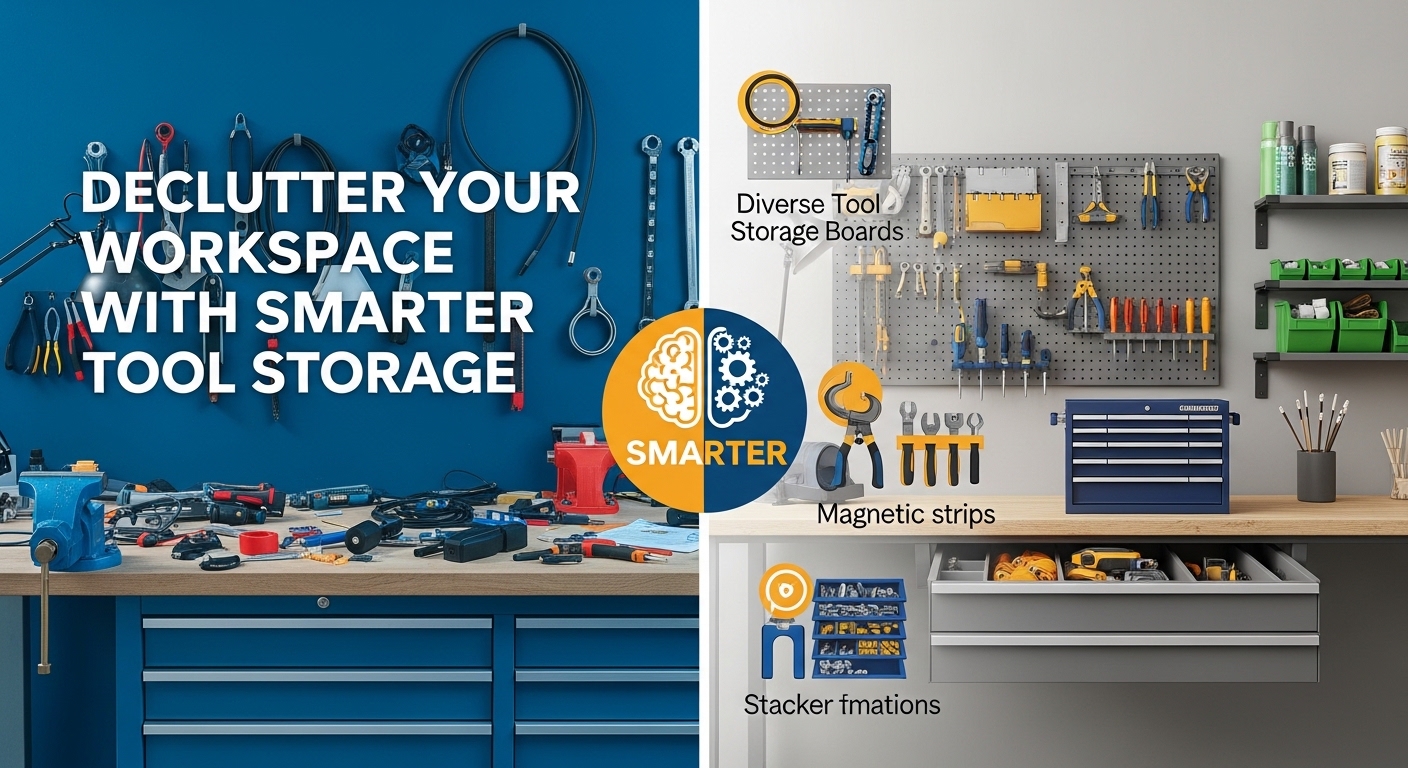
A cluttered workspace can quietly undermine productivity, safety, and morale. When tools are scattered, improperly stored, or difficult to track, daily tasks take longer and frustration builds. Over time, clutter can make even well designed workspaces feel inefficient and stressful.
Smarter tool storage goes beyond basic organization and focuses on creating systems that support accountability, efficiency, and security. By decluttering with intentional storage solutions, businesses can transform how their workspace functions on a daily basis. Clean, organized environments make it easier for teams to work confidently and consistently.
How Workspace Clutter Develops Over Time
Clutter rarely appears all at once. It tends to accumulate gradually as tools are left out for convenience, storage areas overflow, or systems fail to evolve with changing needs. What starts as minor disorganization can eventually disrupt entire workflows.
As clutter grows, locating tools becomes harder and returning them to proper locations feels less intuitive. This cycle often leads to duplicate purchases, misplaced equipment, and wasted time. Recognizing how clutter develops helps identify where smarter storage solutions can make the biggest impact.
The Cost of Disorganized Tool Storage
Disorganized storage affects more than appearance. Time spent searching for tools reduces productivity and interrupts focus, especially in environments where efficiency matters. Frequent interruptions increase fatigue and create unnecessary delays.
There are also safety and financial costs. Tools left unsecured or improperly stored are more likely to be damaged or misused. In shared workspaces, lack of control over tool access can lead to loss, accountability issues, and increased replacement expenses.
Why Traditional Storage Often Falls Short
Basic storage methods such as open shelves or unlocked cabinets may work temporarily, but they often fail in busy environments. These systems rely heavily on manual oversight and consistent habits, which can be difficult to maintain across teams.
Without clear control, tools are easily removed without tracking or returned to incorrect locations. Over time, organization breaks down and clutter returns. Traditional storage lacks the structure needed to support long term decluttering in high use workspaces.
The Value of Smarter Tool Storage
Smarter tool storage focuses on structure, visibility, and control. These systems are designed to guide behavior rather than depend entirely on memory or discipline. By creating clear processes for access and return, workspaces stay organized with less effort.
Well designed storage also adapts to how teams actually operate. Tools are stored logically, inventory is easier to manage, and responsibility is built into the system itself. This approach helps maintain order even as demands and workloads change.
Improving Accountability and Access Control
One of the most effective ways to declutter is to improve accountability. When access to tools is controlled and usage is tracked, tools are more likely to be returned properly and cared for. This reduces clutter caused by misplaced or abandoned equipment.
Solutions such as access control cabinets provide structured storage while limiting access to authorized users. These systems help ensure tools are used appropriately and returned after use, supporting both organization and security. Built in access control creates consistency without relying on constant supervision.
Supporting Safer and More Efficient Workflows
Decluttered workspaces are safer by design. When tools have designated, secure storage locations, there is less chance of accidental contact, tripping hazards, or misuse. Clear surfaces and organized stations improve visibility and movement.
Efficiency improves as well. Employees spend less time searching for equipment and more time completing tasks. Organized storage supports smoother transitions between projects and reduces downtime caused by missing tools.
Protecting Tools and Extending Their Lifespan
Proper storage protects tools from damage caused by exposure, mishandling, or conflict with other equipment. Enclosed and controlled storage environments shield tools from dust, moisture, and unnecessary wear. This protection helps maintain accuracy and performance over time.
Well protected tools last longer and require fewer repairs or replacements. Smarter storage reduces long term costs by preserving valuable equipment. Decluttering through better storage is also an investment in asset longevity.
Creating a More Professional Workspace
An organized workspace reflects professionalism and attention to detail. Clients, partners, and employees all notice when environments are clean, structured, and well managed. A clutter free space signals reliability and care.
For employees, a tidy workspace can improve focus and job satisfaction. When the environment feels intentional and supportive, people are more likely to take pride in maintaining it. Smarter storage systems help sustain this standard over time.
Adapting Storage as Workspaces Evolve
No workspace remains static. New tools, team members, and workflows all require flexibility in storage solutions. Smarter systems are easier to adjust because they are designed with scalability in mind.
Periodic evaluation ensures storage continues to meet operational needs. As requirements change, storage layouts and access rules can be updated to maintain organization. This adaptability keeps workspaces decluttered even as they grow and evolve.
Conclusion
Decluttering a workspace requires more than cleaning up visible messes. It demands smarter tool storage systems that support accountability, efficiency, and protection. By implementing structured solutions like access control cabinets, organizations can reduce clutter, improve workflows, and maintain safer, more professional environments. Smarter storage transforms organization from a daily struggle into a sustainable advantage that supports long term success.

3 Alternative Methods to Conceive a Child That are Just as Safe as Natural Conception

How to Find Balance in a Stressful Life

Glabridin and Bakuchiol: Fixing the Anti-Aging Formulation Trap

Clint Eastwood Net Worth and Family Life: What You Didn’t Know

Best X Video Downloader Without Watermark — How to Get Clean HD Files

Inside Richard Hammond’s Life: How He Built His Net Worth
-
 Celebrity12 months ago
Clint Eastwood Net Worth and Family Life: What You Didn’t Know
-
 Technology5 months ago
Best X Video Downloader Without Watermark — How to Get Clean HD Files
-
 Celebrity11 months ago
Inside Richard Hammond’s Life: How He Built His Net Worth
-

 Celebrity11 months ago
Mark Normand net worth revealed: his career, lifestyle, and more