
Life Style
Creating Comfortable Shared Spaces Without Sacrificing Style

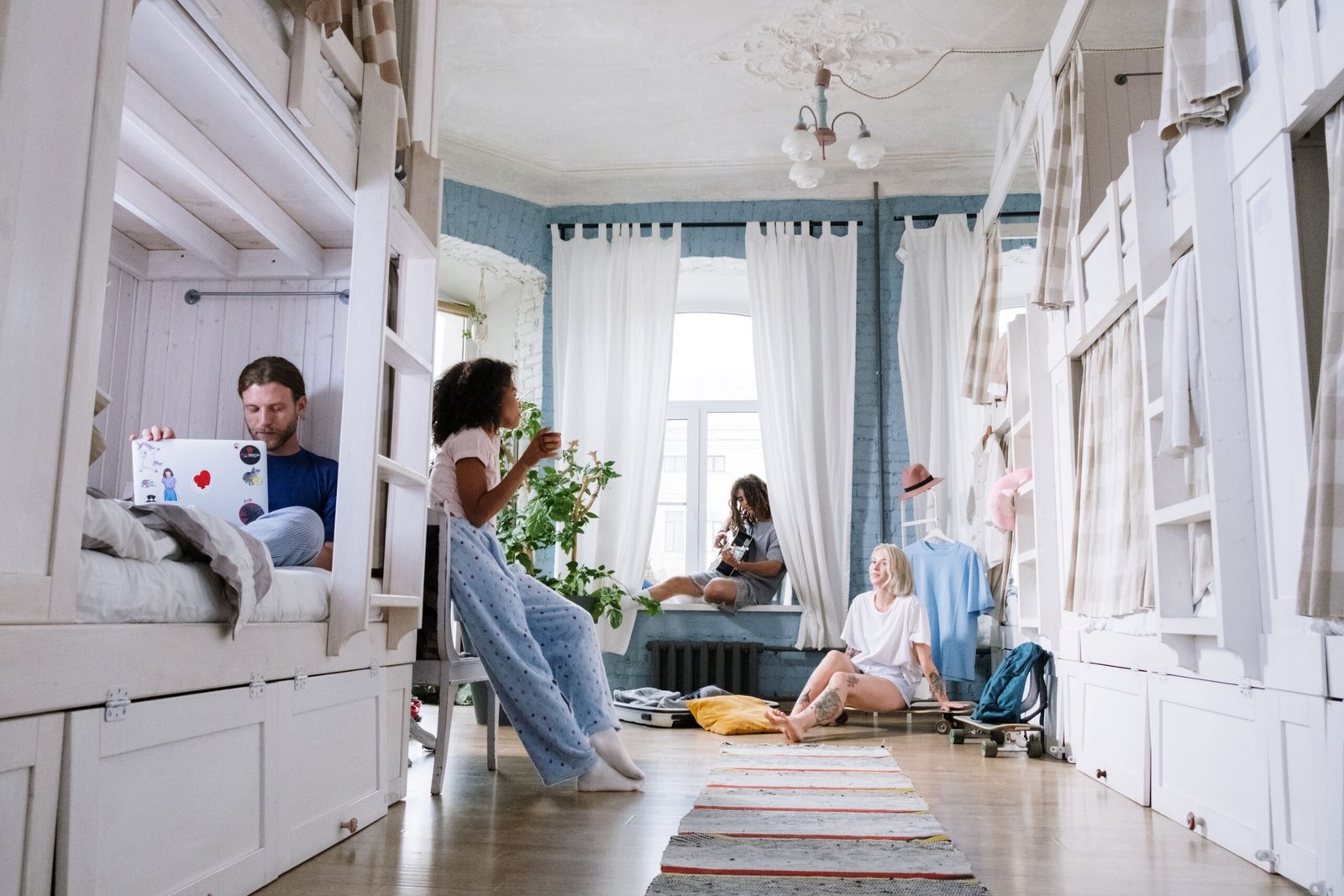
Shared living environments present a genuinely unique design challenge: how do you create spaces that feel welcoming and functional for multiple residents while still maintaining a polished, cohesive aesthetic? Whether you’re managing a multifamily property or thinking through communal areas in a large building, the goal is always the same. Residents deserve spaces that feel like a natural extension of home, not an afterthought tacked on at the end of a renovation budget. With the right approach, it’s entirely possible to balance comfort, durability, and visual appeal in ways that satisfy everyone who walks through the door.
Prioritizing Functionality Without Compromising on Aesthetics
The foundation of any great shared space is a clear understanding of how it will actually be used day to day. High-traffic areas need materials and furnishings that can withstand consistent wear while still looking sharp and intentional. This means choosing upholstery fabrics that resist stains, flooring that holds up to heavy foot traffic, and surfaces that are easy to clean without feeling cold or institutional. When functionality is treated as a design element rather than a limitation, the results are spaces that look deliberate and perform exceptionally well over time.
Choosing Surfaces That Elevate the Space
One of the most impactful decisions in shared space design is the selection of work and gathering surfaces. Counters, tables, and ledges define how residents interact with a space, and they carry significant visual weight in any room. When outfitting shared kitchens and lounge areas, property managers who invest in spacious multifamily countertops give the space a more open, residential quality that residents genuinely appreciate. The right surface material, whether it’s quartz, laminate, or solid surface, adds both practical value and a touch of sophistication that can elevate the entire room’s character.
Balancing Comfort and Durability in Furniture Selection
Furniture in communal areas needs to work harder than almost anything else in a property. It has to look inviting enough to attract residents while being tough enough to endure constant use from dozens of different people on any given day. Modular seating arrangements are a smart solution here because they offer real flexibility, allowing the space to adapt for small gatherings, larger events, or quiet solo use with minimal effort. Look for commercial-grade pieces designed with residential aesthetics in mind, since the best shared spaces feel like living rooms rather than lobbies. Mixing textures, like pairing a sleek sofa with woven accent chairs, adds visual depth without complicating the overall design.
Using Color and Lighting to Define the Mood
Color and lighting are two of the most powerful and cost-effective tools available to any designer working with shared spaces. A well-chosen color palette can make a room feel larger, warmer, or more energetic depending on the community’s demographic and lifestyle preferences. Neutral base tones with layered accent colors give a space real longevity because individual accents can be swapped out without triggering a full renovation. Lighting matters just as much. A thoughtful mix of ambient, task, and accent lighting creates dimension and allows the space to shift naturally from bright and productive during the day to relaxed and inviting in the evening hours.
Incorporating Greenery and Natural Elements
Biophilic design, which weaves natural elements into built environments, has become a well-recognized strategy for improving comfort and well-being in shared spaces. Plants, natural wood tones, and stone textures help soften the harder lines that often come with communal areas. Even in spaces where live plants aren’t practical, the use of natural materials in furniture and finishes can create a similar grounding effect that residents respond to intuitively. Studies and surveys consistently show that people report higher satisfaction and a stronger sense of community in environments that feel connected to nature. These elements are also relatively easy to incorporate across a range of budget levels, making them one of the most accessible design upgrades available.
Conclusion
Creating shared spaces that are both comfortable and stylish is less about budget and more about intentionality. When every design decision, from surface materials to the lighting plan, is made with the resident experience genuinely in mind, the results tend to speak for themselves. Communal areas become real gathering places rather than spaces people simply pass through on their way somewhere else. By investing in quality materials, thoughtful layouts, and layered design elements, property managers and designers can deliver environments that residents are proud to call their own. The best shared spaces don’t just look good on day one; they continue to serve and inspire the community for years to come.

The Most Common Home Repairs and How to Prevent Them

Creating Comfortable Shared Spaces Without Sacrificing Style

Specialist Guide to Choosing a Cosmetic Dentist London for a Natural Smile Plan

Clint Eastwood Net Worth and Family Life: What You Didn’t Know

Best X Video Downloader Without Watermark — How to Get Clean HD Files

Inside Richard Hammond’s Life: How He Built His Net Worth
-
 Celebrity1 year ago
Clint Eastwood Net Worth and Family Life: What You Didn’t Know
-
 Technology6 months ago
Best X Video Downloader Without Watermark — How to Get Clean HD Files
-
 Celebrity1 year ago
Inside Richard Hammond’s Life: How He Built His Net Worth
-

 Celebrity1 year ago
Guy Willison Net Worth: The Story Behind the Motorcycle Legend