
Business
The Most Common Home Repairs and How to Prevent Them

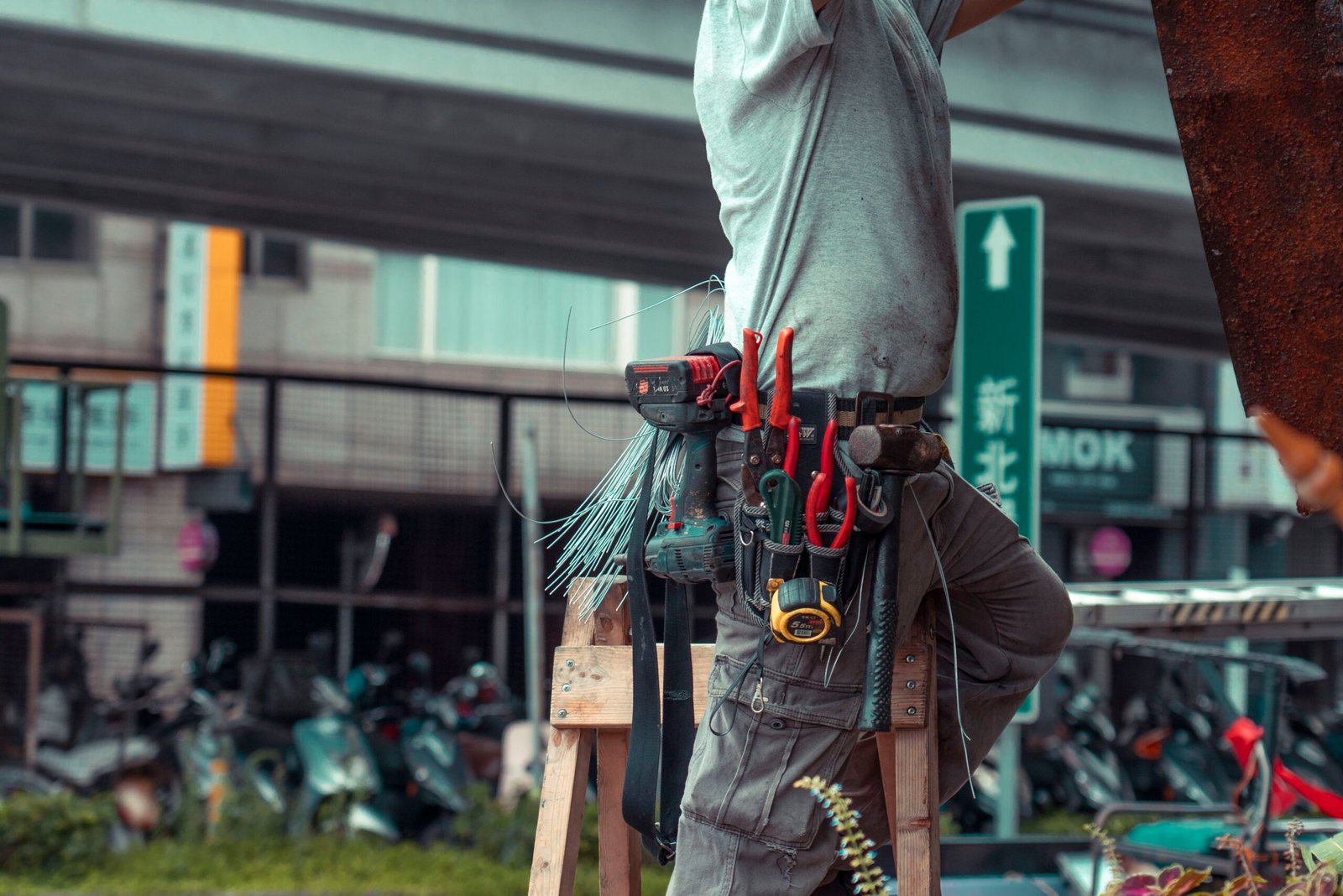
Owning a home comes with its fair share of responsibilities, and repairs are simply part of the deal. Whether you’ve just moved into your first place or you’ve been a homeowner for decades, knowing what to expect can save you a significant amount of time, money, and stress. The good news? Many of the most frequent home repairs are actually preventable with a little routine maintenance and some basic awareness. Here’s a look at the issues homeowners run into most often, along with practical advice on how to get ahead of them.
Roof Damage and Leaks
A damaged or leaking roof is one of the most costly and disruptive problems a homeowner can face. Weather exposure, aging materials, and poor installation all contribute to deterioration over time, often in ways that aren’t visible until real damage has already set in. The best defense is scheduling regular inspections, ideally twice a year, once in the spring and once in the fall. Look for missing or curling shingles, damaged flashing around chimneys, and debris buildup in gutters. Catching small issues early can prevent water from seeping into your home and causing widespread damage to ceilings, walls, and insulation.
Plumbing Problems
Leaky faucets, clogged drains, and burst pipes rank among the most reported plumbing complaints from homeowners across the country. A dripping faucet might seem like a minor nuisance, but it can waste thousands of gallons of water per year and quietly drive up your utility bills. Make it a habit to inspect the pipes under sinks for signs of moisture, corrosion, or discoloration. Installing drain strainers helps reduce clogs caused by hair and debris, and knowing exactly where your main water shutoff valve is located can be a genuine lifesaver in an emergency. During colder months, insulating exposed pipes goes a long way toward preventing freezing and the bursting that follows.
Foundation and Structural Issues
Structural repair is one of the most serious categories of home maintenance, since problems in the foundation can compromise the safety and stability of the entire structure. Warning signs include cracks in walls or floors, doors and windows that stick or won’t close properly, and floors that feel uneven or sloped underfoot. These symptoms can point to soil movement, water damage, or settling beneath the home. When homeowners notice these early indicators, turning to structural repair services from Trotter Company can help address root causes before they escalate into far more costly damage. Prevention strategies include maintaining proper drainage around the foundation, keeping gutters clean to direct water away from the base of the home, and ensuring the soil grading slopes away from the structure. Getting a professional assessment early is critical to avoiding larger, more expensive problems down the road.
HVAC System Failures
Heating and cooling systems work hard year-round, and neglecting them is one of the fastest ways to end up with a hefty repair bill. The most common HVAC issues trace back to dirty filters, neglected ductwork, and skipped professional servicing. Replacing air filters every one to three months keeps the system running efficiently while also improving indoor air quality throughout the home. Scheduling an annual tune-up with a licensed HVAC technician can catch worn parts, refrigerant leaks, or electrical issues before they become full-blown problems. A well-maintained system not only lasts longer but also uses less energy, which shows up as real savings on your monthly utility costs.
Electrical Issues
Electrical problems range from everyday nuisances like tripping breakers to genuine safety hazards such as faulty wiring or overloaded circuits. Older homes in particular may have outdated electrical panels or wiring that no longer meets modern safety codes. Signs of potential trouble include flickering lights, outlets that feel warm to the touch, and circuit breakers that trip on a regular basis. It’s always best to have a licensed electrician assess any concerns rather than attempting DIY fixes, since improper repairs can lead to fires or serious injury. Installing surge protectors and upgrading your panel when necessary are smart, long-term investments in your home’s safety.
Conclusion
Home repairs don’t have to be overwhelming or financially devastating, especially when you stay proactive about maintenance. By keeping an eye on your roof, plumbing, foundation, HVAC system, and electrical components, you can catch small problems before they grow into major ones. Building a seasonal home maintenance checklist is one of the simplest and most effective habits any homeowner can develop. When issues arise that fall outside your comfort zone or expertise, don’t hesitate to call in professionals who can provide reliable, lasting solutions. A little prevention today goes a long way toward protecting your most valuable investment.

The Most Common Home Repairs and How to Prevent Them

Creating Comfortable Shared Spaces Without Sacrificing Style

Specialist Guide to Choosing a Cosmetic Dentist London for a Natural Smile Plan

Clint Eastwood Net Worth and Family Life: What You Didn’t Know

Best X Video Downloader Without Watermark — How to Get Clean HD Files

Inside Richard Hammond’s Life: How He Built His Net Worth
-
 Celebrity1 year ago
Clint Eastwood Net Worth and Family Life: What You Didn’t Know
-
 Technology6 months ago
Best X Video Downloader Without Watermark — How to Get Clean HD Files
-
 Celebrity1 year ago
Inside Richard Hammond’s Life: How He Built His Net Worth
-

 Celebrity1 year ago
Guy Willison Net Worth: The Story Behind the Motorcycle Legend