
Life Style
Boating in Tropical Locations: What to Prepare

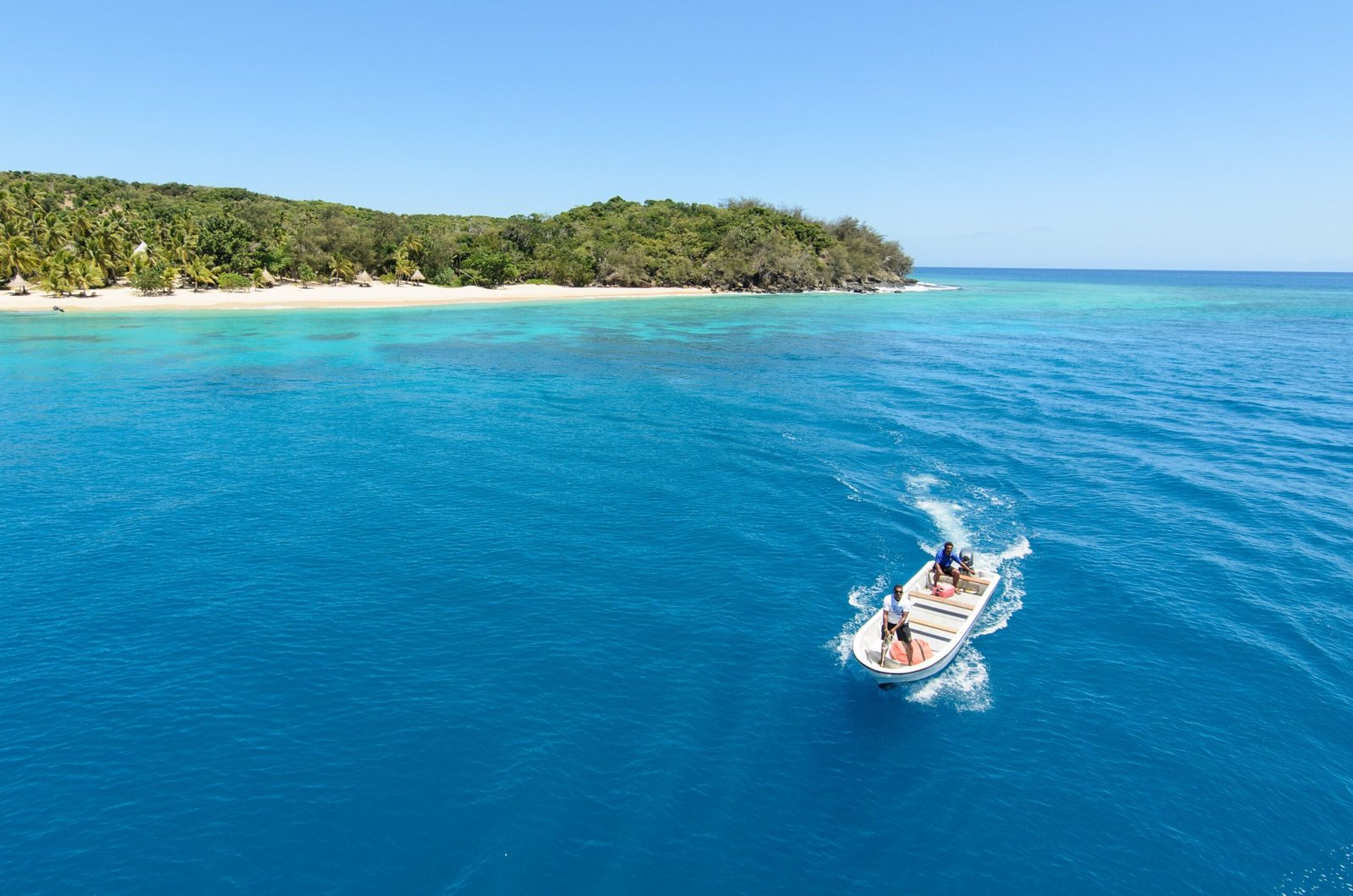
Boating in a tropical location ranks among the most exhilarating experiences a water enthusiast can have. Crystal-clear waters, warm breezes, and breathtaking coastal scenery make tropical boating unlike almost anything else out there. Whether you’re planning a leisurely cruise through calm lagoons or a more adventurous offshore voyage, proper preparation is what separates a memorable trip from a stressful one. Knowing what to bring, how to stay safe, and what challenges to expect will make all the difference once you’re out on the water.
Understanding Tropical Weather Patterns
One of the most important aspects of tropical boating is getting a solid grasp of local weather behavior. Tropical regions are notorious for fast-moving storms that can appear with very little warning, particularly during rainy seasons. Before heading out, check detailed marine forecasts from reliable meteorological sources and plan your departure times with those in mind. Morning outings tend to be the safer bet, since afternoons in tropical zones frequently bring thunderstorms and gusty winds rolling in. Building some flexibility into your itinerary also allows you to wait out poor conditions without feeling like the whole adventure is slipping away.
Safety Gear and Emergency Equipment
Safety should always sit at the top of the priority list when heading out on any body of water. In tropical environments, the combination of strong currents, unpredictable weather, and remote locations makes a well-stocked safety kit absolutely non-negotiable. Every person on board should have a properly fitting life jacket, and the vessel itself should carry flares, a marine VHF radio, a first aid kit, and a fire extinguisher at the very minimum. A waterproof GPS device and an emergency position-indicating radio beacon (EPIRB) are also strongly recommended for offshore excursions. Always let someone onshore know your planned route and expected return time, because conditions in tropical waters can shift faster than most people anticipate.
Sun Protection and Hydration
The tropical sun is far more intense than what most people encounter in temperate climates, and prolonged exposure can lead to some genuinely serious health issues. Apply a high-SPF, water-resistant sunscreen generously before boarding and reapply every two hours, especially after swimming or sweating it off. Wide-brimmed hats, UV-protective sunglasses, and long-sleeve sun shirts add another layer of defense against those harsh rays. Staying hydrated is equally critical, since the combination of heat, direct sun, and a constant sea breeze can cause dehydration much faster than you’d expect. Bring more fresh water than you think you’ll need, and consider tossing some electrolyte supplements into your bag to keep hydration levels steady throughout the day.
Navigation and Local Regulations
Navigating unfamiliar tropical waters calls for careful preparation and a genuine respect for local rules. Many tropical regions have protected marine areas, coral reefs, and restricted zones that boaters are required to avoid in order to protect fragile ecosystems. Before your trip, study updated nautical charts of the area and take time to familiarize yourself with local boating regulations, licensing requirements, and any no-anchor zones in play. For those newer to guided water excursions, experiencing Lake Tahoe boat tours before tackling more remote tropical destinations can help build the navigational awareness and on-water confidence needed to venture out independently. Carrying a physical chart as a backup to your digital navigation tools is always a smart move, just in case equipment decides to fail at the worst possible moment.
Boat Maintenance and Fuel Planning
Tropical environments can be surprisingly demanding on marine vessels, given the saltwater exposure, high humidity, and relentless heat. A thorough pre-trip inspection of your engine, bilge pump, hull, and all electrical systems is essential before leaving the dock. Saltwater is particularly corrosive, so rinsing your boat down with fresh water after every outing and applying the right protective treatments will go a long way toward extending the life of your vessel. Fuel planning deserves serious attention as well, especially in remote tropical areas where marinas can be few and far between, with considerable distances stretching between them. Always carry extra fuel in approved containers and calculate your range conservatively, because getting stranded far from shore is a situation nobody wants to find themselves in.
Conclusion
Boating in tropical locations offers an unmatched sense of freedom and natural beauty, and it genuinely rewards those who prepare thoroughly. From packing the right safety gear and protecting yourself from the sun to reading local weather patterns and respecting marine regulations, preparation is what separates a great adventure from a risky one. Take time to plan each detail, respect the environment and local guidelines, and stay flexible when conditions start to shift. With the right mindset and solid preparation, tropical boating can deliver memories that stick with you for a lifetime.

Boating in Tropical Locations: What to Prepare

Career and Financial Planning: A Guide for Young Adults

Preparing Future Developers With Real-World Coding Experiences

Clint Eastwood Net Worth and Family Life: What You Didn’t Know

Best X Video Downloader Without Watermark — How to Get Clean HD Files

Inside Richard Hammond’s Life: How He Built His Net Worth
-
 Celebrity1 year ago
Clint Eastwood Net Worth and Family Life: What You Didn’t Know
-
 Technology6 months ago
Best X Video Downloader Without Watermark — How to Get Clean HD Files
-
 Celebrity1 year ago
Inside Richard Hammond’s Life: How He Built His Net Worth
-

 Celebrity1 year ago
Guy Willison Net Worth: The Story Behind the Motorcycle Legend