
Blog
5G Site Power Planning for Distributed Radio Networks

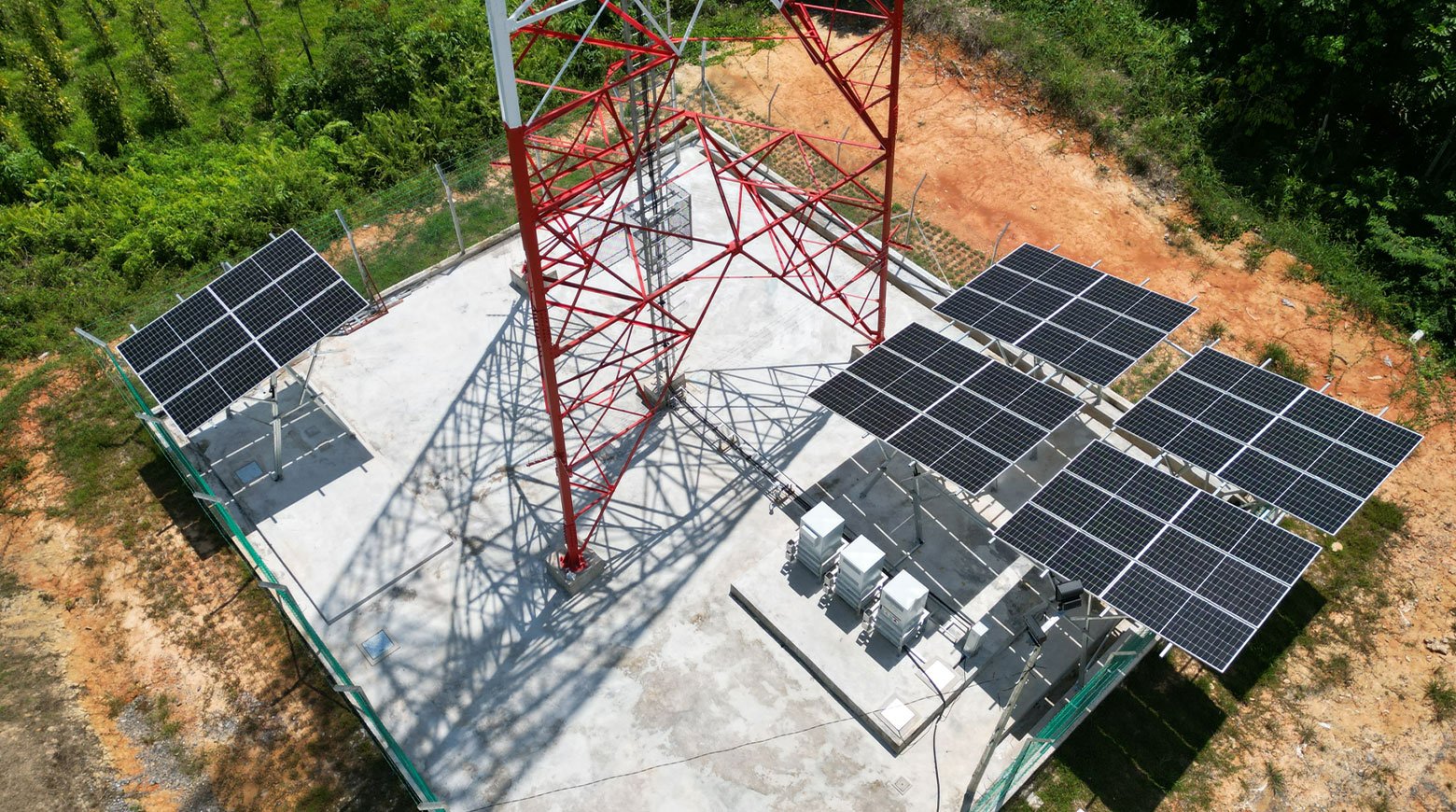
Adding 5G radios changes the load profile of an existing network site and can expose limits in its power cabinet or backup system. For 5G site power, system interfaces shape the real outcome. Huawei Digital Power describes simplified site deployment, CloudLi battery systems, AI-powered green site coordination, and intelligent site management. Together these address DC power availability, energy integration, and remote operation at distributed communications facilities, including 5G upgrades.
Map the electrical needs of the radio site
A typical telecom site uses utility input, rectification, DC distribution, backup batteries, and protected feeds to communication equipment. Huawei site power solutions are intended to coordinate parts of this infrastructure across different deployment formats.
Extra radio equipment can require new DC breakers, cable sizing, and grounding work. The design should verify upstream capacity instead of assuming that spare panel positions guarantee usable power.
Integrate batteries and renewable power
CloudLi forms part of Huawei site energy solutions and provides lithium battery capabilities for backup and coordinated energy use. Reserve energy must be protected for service continuity even when a wider energy-management strategy is enabled.
The AI-powered green site offering addresses coordination across PV, storage, fuel, grid, and load. The applicable control strategy depends on the equipment installed and the economic and reliability constraints of the location.
Simplify equipment placement and service
Huawei describes simplified deployment from equipment room to cabinet and pole configurations. This approach can reduce space requirements at constrained sites, though structural suitability and maintenance access remain site-specific.
An outdoor installation needs suitable weather protection, cable sealing, earthing, and thermal control. These physical details can dominate lifetime reliability in exposed rooftop or roadside environments.
Compact site designs should still leave safe room to replace rectifier modules, access batteries, and isolate power feeds. Difficult access can extend a small repair into a lengthy service interruption.
Power systems should be commissioned with the actual radio load connected where procedures allow. Controlled utility-failure and restoration tests help verify the battery path and monitoring alarms.
An upgrade checklist should compare the new DC load with rectifier capacity, breaker ratings, cable routes, and usable battery reserve. The network function may work immediately while the backup margin has quietly narrowed.
Monitor operating conditions across the network
Huawei intelligent site management focuses on remote visibility, control, and optimisation of distributed assets. Energy readings and alarm records can help maintenance teams identify sites that warrant inspection.
Analytics should distinguish an increasing radio load from a deteriorating power component. Comparing consumption, temperature, rectifier state, and battery indicators offers stronger evidence than an isolated alarm.
5G site power planning connects radio demand with rectifiers, battery reserve, deployment format, and energy controls. The practical benefit of a coordinated site portfolio lies in sizing each part correctly and keeping the distributed network maintainable. For 5G site power, The equipment datasheet, integration drawings, and acceptance tests should all describe the same operating limits.

5G Site Power Planning for Distributed Radio Networks

The Nutrients and Habits That Support Healthy-Looking Skin

From Vehicles to Value: Shaping a Strong Fleet Management Strategy

Clint Eastwood Net Worth and Family Life: What You Didn’t Know

Best X Video Downloader Without Watermark — How to Get Clean HD Files

Inside Richard Hammond’s Life: How He Built His Net Worth
-
 Celebrity1 year ago
Clint Eastwood Net Worth and Family Life: What You Didn’t Know
-
 Technology7 months ago
Best X Video Downloader Without Watermark — How to Get Clean HD Files
-
 Celebrity1 year ago
Inside Richard Hammond’s Life: How He Built His Net Worth
-

 Celebrity2 years ago
Guy Willison Net Worth: The Story Behind the Motorcycle Legend